6 days ago
Qatar PM Visits Tehran as Hormuz Mediation Efforts Intensify
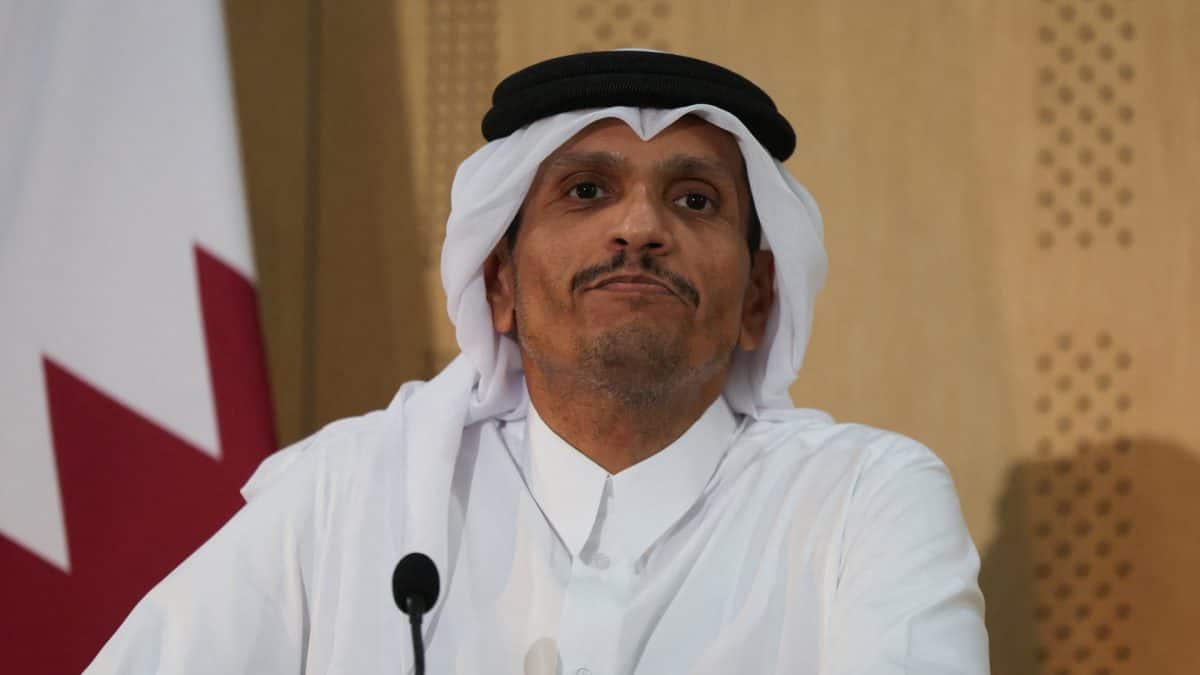
Qatar’s prime minister traveled to Tehran to help restart talks between Iran and the United States.
He met Iran’s foreign minister to discuss lowering tensions and reopening the Strait of Hormuz.
The strait is an important route for ships carrying oil.
Iran and Oman have discussed creating a temporary shipping corridor and clearing mines from the waterway.
Iran says the strait should remain closed unless the United States lifts its blockade, removes sanctions and provides compensation.
The United States opposes Iran controlling the strait or charging ships fees to pass through it.
New sanctions and the blockade have made it harder for Iran to import petrol.
This has caused fuel shortages and long lines at petrol stations.
Officials disagree about whether Iran and Oman have already finalized a deal.
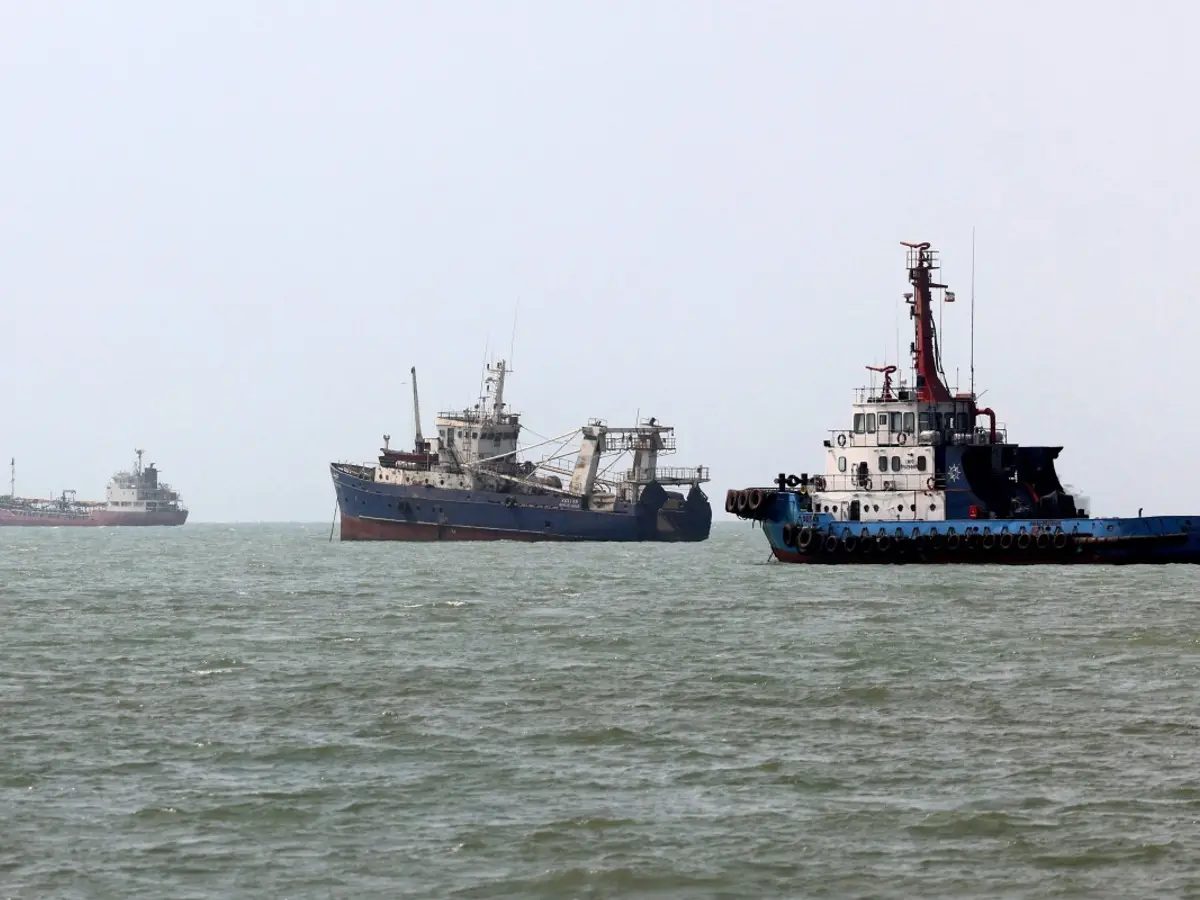
A tanker was also hit by an unidentified projectile, although its crew were safe.

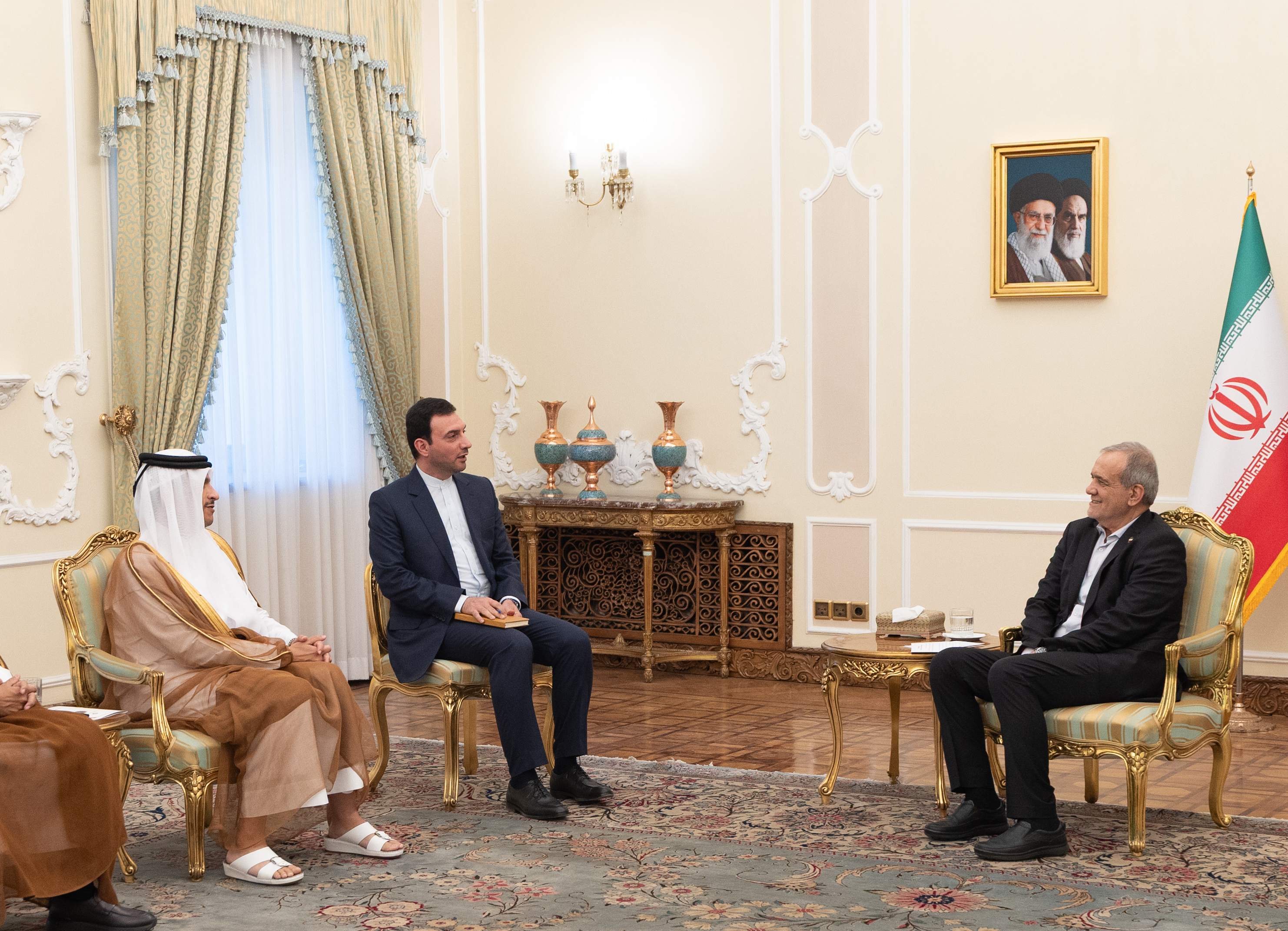
Qatari Prime Minister Sheikh Mohammed bin Abdulrahman Al Thani met Iranian Foreign Minister Abbas Araghchi in Tehran on Thursday.
The talks addressed de-escalation, freedom of navigation and a proposed temporary Iranian-Omani shipping corridor through the Strait of Hormuz.
The United States is increasing sanctions pressure on Iran and has imposed a naval blockade on Iranian ports, according to the reports.
Iran faces fuel shortages and long queues at petrol stations as domestic production cannot meet demand and imports have been disrupted.
Oil flows through Hormuz have fallen from roughly 20 million to 5 million barrels per day, while 70 incidents have killed 19 seafarers since February 28.
- Who
- Qatari Prime Minister Sheikh Mohammed bin Abdulrahman Al Thani, Iranian Foreign Minister Abbas Araghchi, Iran, Oman and the United States are involved.
- What
- Qatar is mediating efforts to reduce tensions and reopen the Strait of Hormuz amid sanctions, a reported US naval blockade and unresolved Iran-Oman negotiations.
- Where
- The meeting occurred in Tehran and concerned the Strait of Hormuz, between Iran and Oman.
- When
- The visit took place on Thursday, August 27; the conflict began on February 28 and is nearing its sixth month.
- Why
- Qatar is seeking de-escalation, freedom of navigation and conditions for renewed dialogue.
Iran’s Position
United States and Qatar’s Position
Control and access
Iran’s Position
Iran has maintained control over transit through the Strait of Hormuz, sought a role in managing its waters and revenues, and proposed charging ships commissions.
United States and Qatar’s Position
The United States opposes Iranian control and fees, while Qatar is calling for freedom of navigation and a return to conditions before February 28.
Conditions for reopening
Iran’s Position
Iranian officials and the Islamic Revolutionary Guard Corps said the strait would remain closed unless the United States ended its blockade, removed sanctions and provided compensation.
United States and Qatar’s Position
Washington is increasing sanctions against Iran’s trading partners, while Qatar is seeking de-escalation and dialogue rather than continued restrictions on shipping.
Iran-Oman agreement
Iran’s Position
The Islamic Revolutionary Guard Corps said Iran and Oman had reached mutually acceptable results on control of the strait and its revenues.
United States and Qatar’s Position
A senior Iranian source said the agreement had not been finalized and that negotiations over its details were continuing.
Key facts
- Qatari visit
- Prime Minister Sheikh Mohammed bin Abdulrahman Al Thani visited Tehran and met Abbas Araghchi on Thursday.
- Proposed framework
- Qatar and Iran discussed a temporary joint Iranian-Omani shipping corridor and a project to clear mines from the strait.
- Iran’s conditions
- Iran has demanded an end to the US blockade on its ports, compensation, unfreezing of assets and removal of oil sanctions before fully reopening the strait.
- Fuel shortage
- Iranian officials said the blockade prevented sufficient petrol imports, contributing to long queues at fuel stations.
- Hormuz oil flows
- Ship-tracking data showed about 5 million barrels per day passing through the strait on Monday, compared with roughly 20 million before the war.
- Maritime incidents
- The International Maritime Organization reported 70 incidents in the strait since February 28, resulting in 19 seafarer deaths.
- Tanker incident
- The United Kingdom Maritime Trade Operations agency said an unidentified projectile struck a tanker and caused a fire; all crew members were safe.
Quotes

Sheikh Mohammed bin Abdulrahman Al Thani
Qatari prime minister and foreign minister
“emphasised the necessity of respecting the sovereignty of neighbouring states and freedom of navigation”
 firstpost.com
“An agreement with Oman over the Strait of Hormuz has not been finalised”
 theprint.in
 CNBC TV 18
Mohammad Jafar Ghaempanah
Iranian vice president
“Petrol production is insufficient, and because of the US naval blockade, we cannot import it”
firstpost.com
Sources


Related news

Qatar Seeks Tehran Dialogue as US Escalates Economic Pressure
Qatar-Iran Talks Set Conditions for Strait of Hormuz Reopening

Iran and US Clash Over Conditions to Reopen Strait

Qatar PM Seeks Tehran Mediation as Trump Delays Iran Talks
Qatar and Iran Discuss De-escalation During Tehran Talks
US-Iran Strikes Escalate as Tehran Warns of New Strategy
Trump Warns of Fresh Iran Strike After Heavy Attack

Trump Says US Could Attack Iran Again at Will

U.S. Treasury Yields Ease as Jobs Data Misses Expectations
Iran Seizes Fuel-Smuggling Vessel in Gulf, Arrests 11 Crew