5 days ago
Qatar and Iran Discuss De-escalation During Tehran Talks
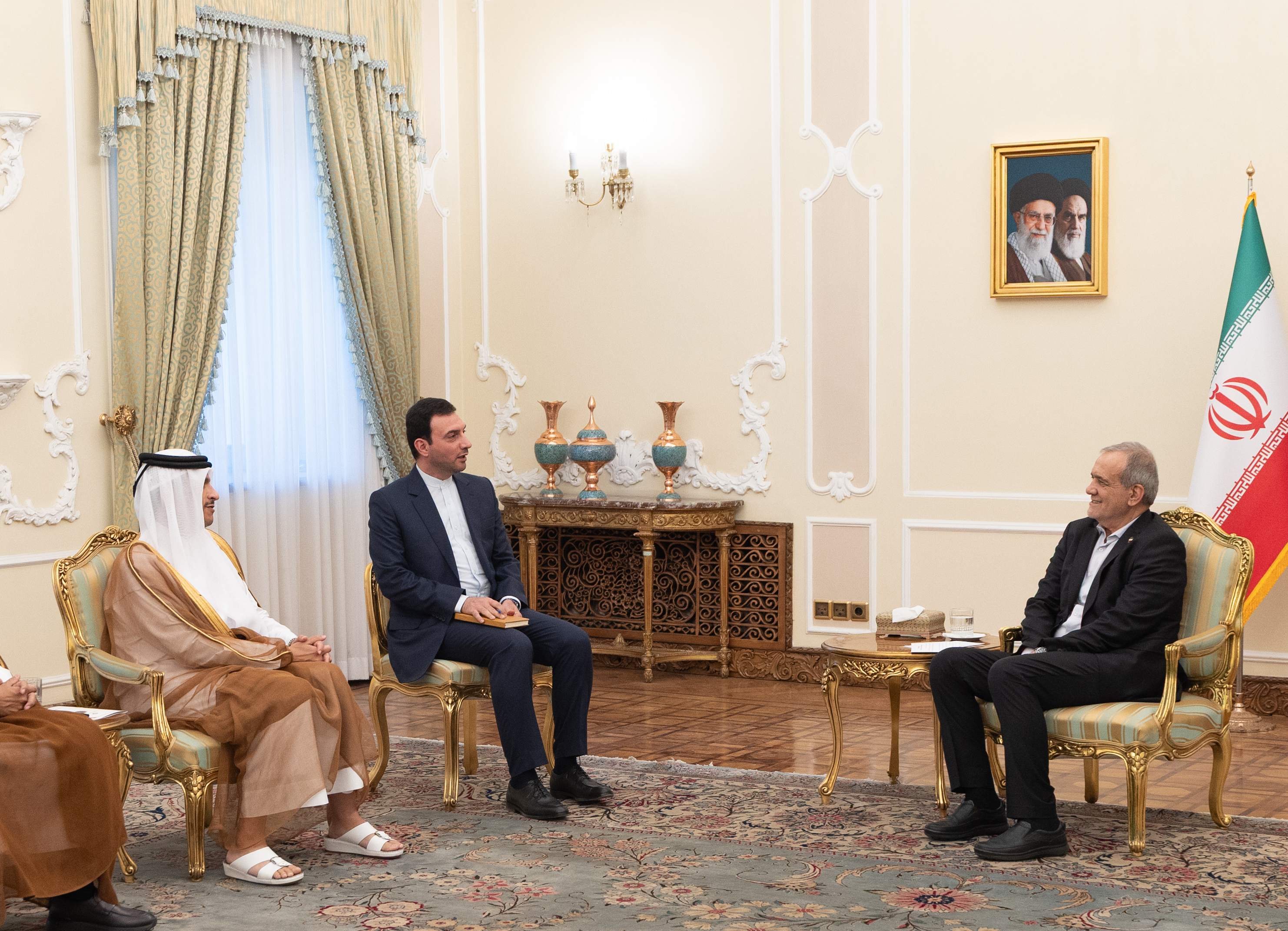
Qatar’s prime minister visited Iran to talk about reducing fighting and tension in the region.
He met Iran’s president and foreign minister in Tehran.
Both sides said that talking was better than using threats or force.
Iran’s president said Iran did not want a wider war.
Qatar said it wanted to help bring back stability and improve cooperation with Iran.
The two countries also discussed keeping ships safe in the Strait of Hormuz.
They considered a temporary shared shipping route and possible mine-clearing work.
The United States said it was not currently negotiating with Iran.
US officials said economic pressure would continue until Iran returned to meaningful talks.

Qatar Prime Minister Mohammed bin Abdulrahman Al Thani met Iranian President Masoud Pezeshkian in Tehran on Thursday.
The leaders discussed regional security, stability, de-escalation efforts and creating conditions for dialogue.
Pezeshkian said Iran was not seeking war or conflict expansion and supported resolving issues through dialogue.
Qatar proposed a temporary joint navigational corridor and possible mine-clearing cooperation in the Strait of Hormuz.
The United States said no negotiations with Iran were currently taking place and continued to emphasize economic pressure.
- Who
- Qatar Prime Minister and Foreign Minister Mohammed bin Abdulrahman bin Jassim Al Thani, Iranian President Masoud Pezeshkian and other senior officials; the United States also issued statements on negotiations.
- What
- Qatar and Iran discussed regional tensions, diplomacy, security, stability and possible cooperation over navigation in the Strait of Hormuz.
- Where
- The main meeting took place in Tehran, Iran, with related discussions concerning the Strait of Hormuz.
- When
- The meeting took place on Thursday; US President Donald Trump discussed negotiations on Wednesday.
- Why
- Qatar was seeking to de-escalate regional tensions, revive diplomacy and create conditions for dialogue and restored stability.
Diplomacy and De-escalation
Pressure and Conditional Negotiations
How tensions should be reduced
Diplomacy and De-escalation
Qatar and Iran said diplomacy, rationality, dialogue and mutual understanding should be used to restore regional stability.
Pressure and Conditional Negotiations
The United States said economic pressure against Iran would continue and that negotiations would not resume until Iran came to the table meaningfully.
Iran’s approach to the conflict
Diplomacy and De-escalation
Masoud Pezeshkian said Iran was not seeking war or an expansion of the conflict and called for previous understandings to be implemented through dialogue.
Pressure and Conditional Negotiations
Donald Trump said the United States was not in a hurry to resume talks, had no fixed timeline and considered both economic measures and military strikes effective.
Regional security and navigation
Diplomacy and De-escalation
Qatar and Iran discussed a temporary joint navigational corridor through the Strait of Hormuz and possible mine-clearing cooperation.
Pressure and Conditional Negotiations
The US statements cited in the reports focused on pressure and maintaining all options, rather than announcing participation in the proposed maritime framework.
Key facts
- Qatar’s delegation
- Led by Prime Minister and Foreign Minister Mohammed bin Abdulrahman bin Jassim Al Thani.
- Iranian officials met
- President Masoud Pezeshkian, Foreign Minister Abbas Araghchi and other senior officials.
- Main diplomatic goal
- De-escalating tensions and creating conditions for dialogue.
- Iran’s stated position
- President Pezeshkian said Iran was not seeking war or an expansion of the conflict.
- Strait of Hormuz proposal
- A temporary joint navigational corridor and possible cooperation to clear mines were discussed.
- US position
- Karoline Leavitt said no negotiations were currently taking place between the United States and Iran.
- US pressure campaign
- The White House described its economic-pressure effort as “Operation Economic Outcast.”
Quotes

Mohammed bin Abdulrahman bin Jassim Al Thani
Prime Minister and foreign minister of Qatar
“Some events occurred that were unacceptable, but we still believe that Iran and Qatar are two countries of friends and brothers and that the issues that have arisen can be resolved through understanding.”
 deccanchronicle.com
“The language of force and threats is not a solution, and stability, security, and economic peace must be restored to the region through diplomacy, rationality, and logic.”
deccanchronicle.com

Karoline Leavitt
Former White House press secretary
“No negotiations are happening right now, and this will continue until the president feels that maybe they come to the table in a meaningful way. We have not seen that yet.”
deccanchronicle.com
Sources
Related news

Qatar Seeks Tehran Dialogue as US Escalates Economic Pressure
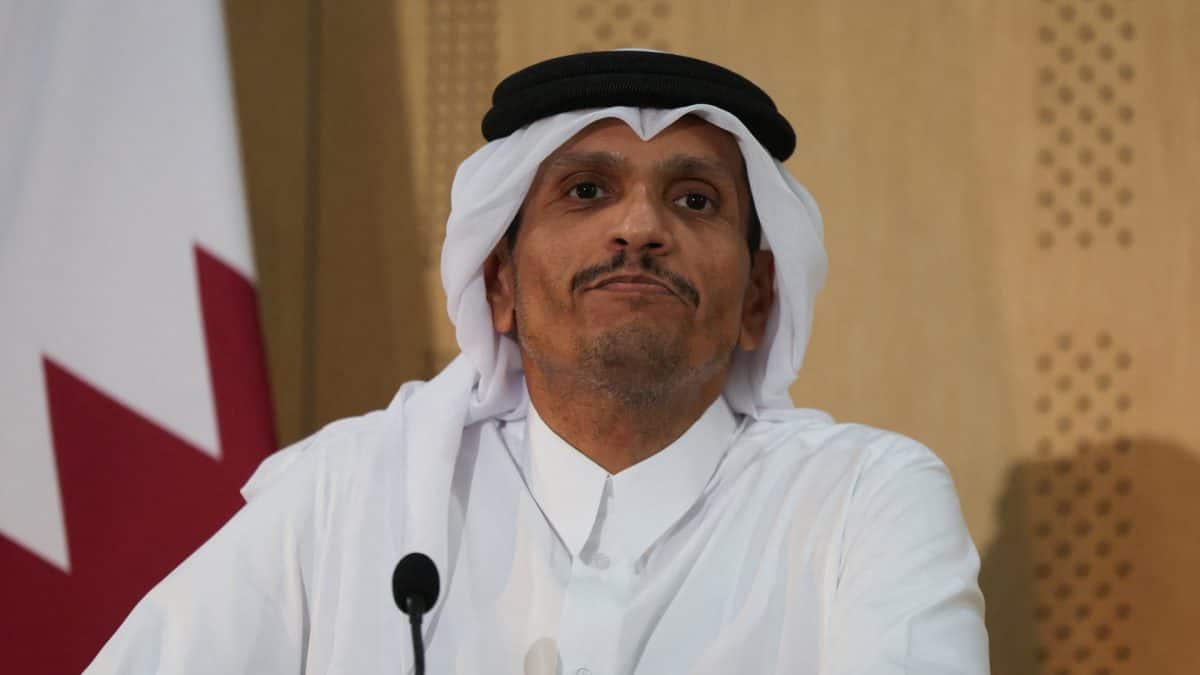
Qatar PM Visits Tehran as Hormuz Mediation Efforts Intensify
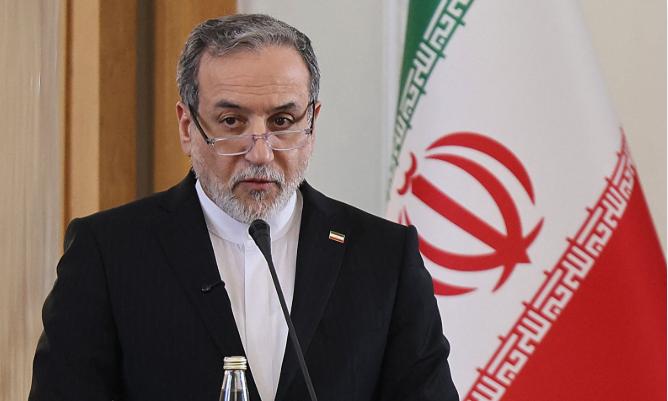
Iran and Qatar Discuss Strait of Hormuz Amid Tensions
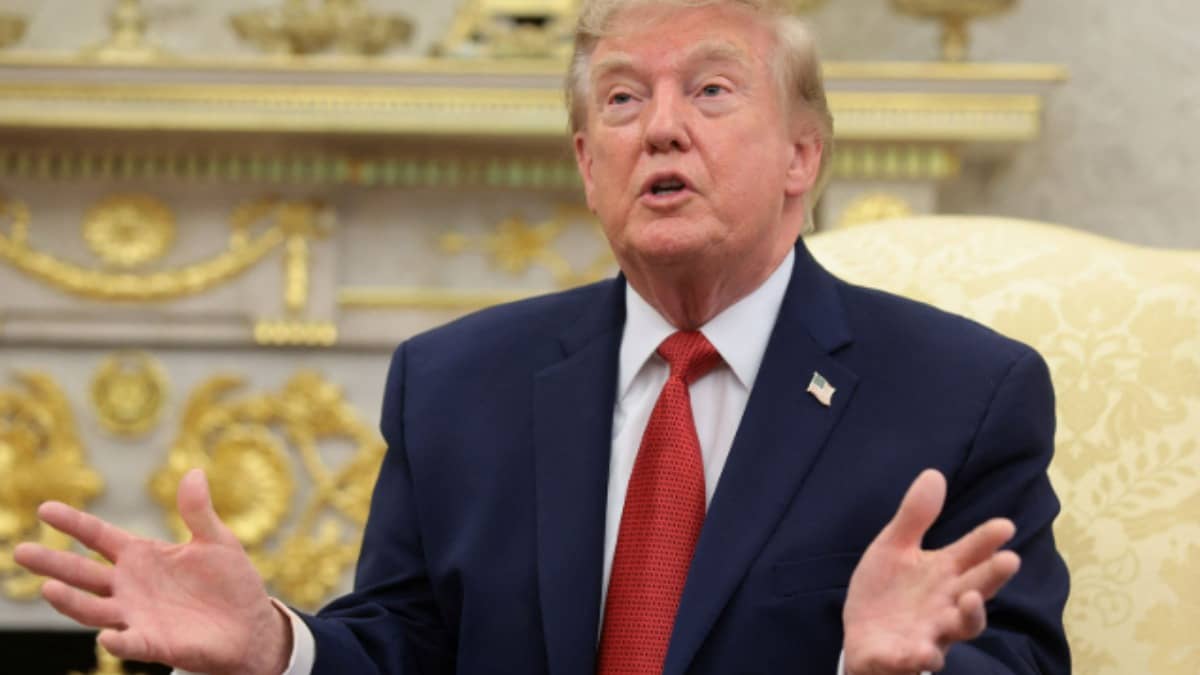
Trump Delays Iran Talks as Qatar Presses for De-escalation

Qatar PM Seeks Tehran Mediation as Trump Delays Iran Talks

Chevron Plans $7 Billion Venezuela Expansion Amid U.S. Oil Push

Saudi Arabia Says Iranian Tanker Attack Killed Two Sailors
U.S.-Iran Exchange Escalates Across Middle East, Markets Slide
Trump Aides Seek Quiet Iran War Before Midterm Elections
US Warns Middle East Travelers Amid Escalating Iran-Linked Tensions