1 hr ago
UPI MDR May Offer Modest Boost to India’s Digital Rupee
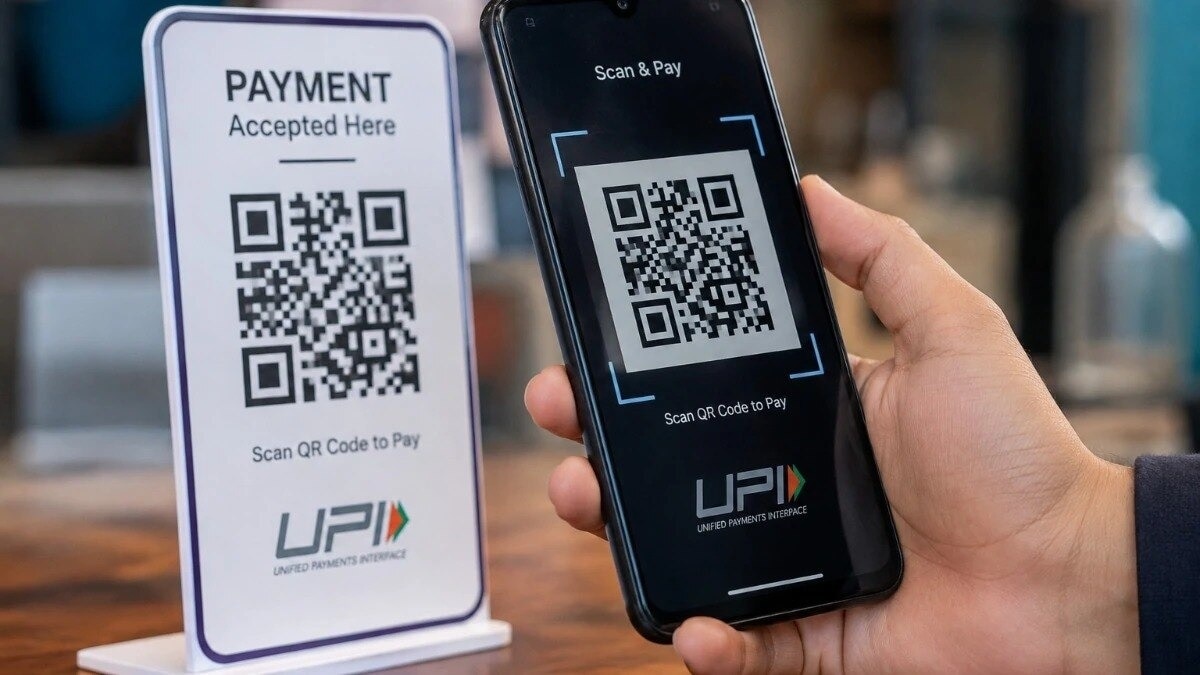
UPI is already a very popular way to make digital payments in India.
From October 15, some larger UPI payments will include a small merchant fee.
Some people wonder whether this fee will make more users choose the digital rupee instead.
S&P Global’s Geeta Chugh said the boost may be small.
She explained that using the digital rupee requires people to download a wallet and move money into it.
The digital rupee is also not interest-paying.
Unlike UPI, however, it can be programmed so money is used only for certain purposes or released when conditions are met.
This could help with subsidies, lending and financial settlements.
The article says the digital rupee should be judged by these results rather than by the number of wallets people use.

A 0.40% merchant discount rate will apply from October 15 to UPI transactions above Rs 2,000.
S&P Global’s Geeta Chugh said the change may have only a modest effect on digital-rupee adoption.
UPI is expected to remain India’s main payments infrastructure because CBDC use requires an additional wallet and is not interest-paying.
The digital rupee’s proposed advantages include programmable payments, targeted subsidies, lending controls and more efficient settlement.
CBDC pilots have supported food subsidies in Gujarat, Puducherry and Chandigarh, while the RBI has explored tokenised-asset settlement.
- Who
- The National Payments Corporation of India, the Reserve Bank of India, S&P Global, Geeta Chugh and Finance Minister Nirmala Sitharaman are involved in the discussion.
- What
- A proposed 0.40% MDR on UPI transactions above Rs 2,000 has raised questions about whether it will accelerate digital-rupee adoption.
- Where
- The policy concerns India’s UPI and digital-rupee payment systems, with CBDC pilots reported in Gujarat, Puducherry and Chandigarh.
- When
- The MDR is scheduled to begin on October 15; UPI transaction data cited in the article covers September 2026.
- Why
- The digital rupee is being developed for programmable payments and more efficient settlement, while the MDR is intended to support investment in payment infrastructure.
MDR and CBDC proponents
UPI-first and adoption skeptics
Will MDR boost digital-rupee adoption?
MDR and CBDC proponents
Charging MDR on some UPI payments could encourage merchants and users to consider the digital rupee as an alternative.
UPI-first and adoption skeptics
Geeta Chugh said the effect would likely be modest because UPI remains efficient and widely used, while CBDC requires an additional wallet.
How should the digital rupee be judged?
MDR and CBDC proponents
Its value should be measured through programmability, including targeted subsidies, controlled lending and more efficient settlement, rather than retail wallet numbers.
UPI-first and adoption skeptics
Because India does not need CBDC to digitise payments, the digital rupee may remain a settlement asset for selected uses instead of replacing UPI.
Is MDR justified?
MDR and CBDC proponents
Chugh said MDR was warranted to reduce the risk of underinvestment in payment infrastructure.
UPI-first and adoption skeptics
The article reports that traders opposed the proposed MDR and that the Supreme Court refused to stay it while issuing notices to the government, RBI and NPCI.
Key facts
- UPI transactions
- 24.07 billion transactions in September 2026
- UPI transaction value
- Rs 29.37 lakh crore in September 2026
- Proposed MDR
- 0.40% on UPI transactions above Rs 2,000
- MDR start date
- October 15
- CBDC limitation
- Users need an additional wallet, and the digital rupee is not interest-paying
- CBDC use cases
- Programmable subsidies, targeted lending, carbon-credit payments and settlement efficiency
- Reported pilot locations
- Gujarat, Puducherry and Chandigarh
Quotes
Geeta Chugh
Managing director and sector lead for financial institutions ratings at S&P Global
“India’s CBDC should not be judged by wallet adoption. It should be judged by whether it makes money programmable and settlement more efficient.”
 businesstoday.in
“UPI makes it extremely efficient to transfer money, and I think that is going to be there.”
businesstoday.in
Sources
Related news

India Plans UPI Merchant Fees With Small-Merchant Exemptions
India’s UPI MDR Plan Tests Digital Payments’ Durability
RBI Backs MDR on Large UPI Transactions for Sustainability
NPCI Says October 15 UPI MDR Won’t Disrupt Payments
India Weighs Selective UPI Fees to Sustain Digital Payments Growth
Panel to Decide UPI MDR Charges Above ₹2,000 Soon
Adani Green Energy Expands Khavda Battery Storage Capacity

Minister Expects Stable Kharif Grain Output Despite Weather Risks

Pilot Smit Machchhar’s Heroism Sparks Gujarati Pride Online
Anant Ambani Named Sustainability Professor of Practice at Newcastle University