1 hr ago
GST Council May Align Tax Treatment for EV and ICE Fleets
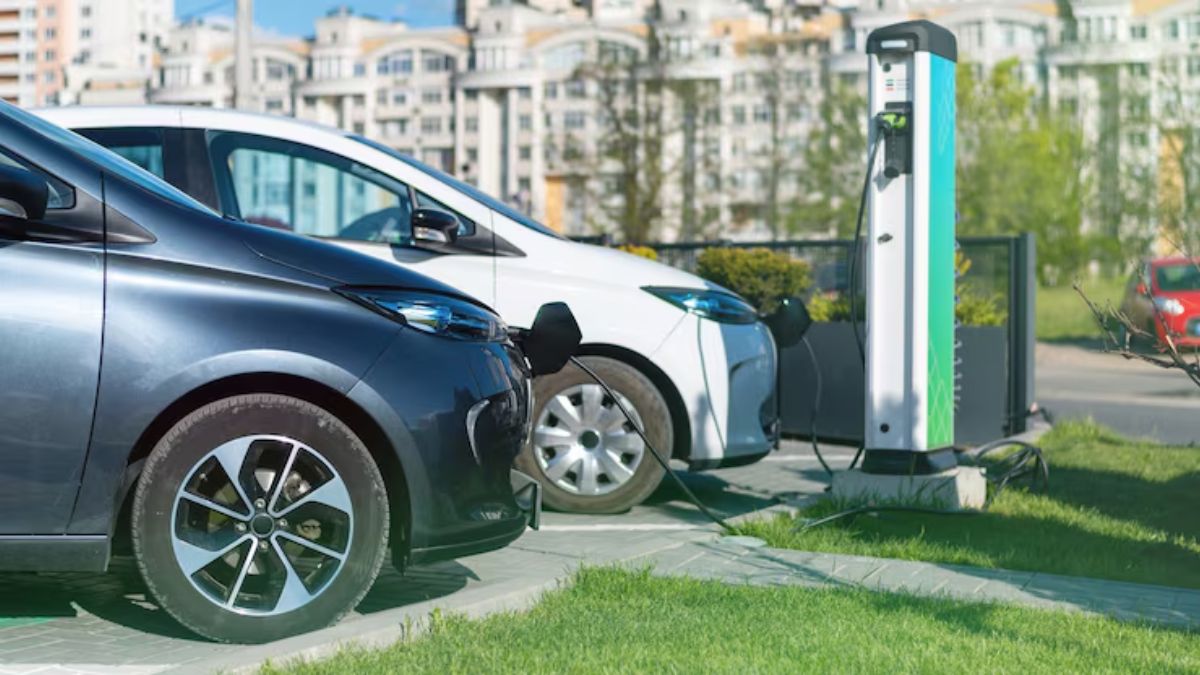
The GST Council is expected to discuss a tax proposal on October 7.
It concerns businesses that use vehicles to carry passengers or rent vehicles.
Today, similar services using conventional petrol or diesel vehicles can choose between two GST options.
The proposal would give electric-vehicle services the same choices.
One option is a lower 5% tax but fewer credits for tax already paid on business costs.
The other is an 18% tax with eligible credits.
The proposal also explains how credits and some leasing costs would be handled.
It aims to treat electric and conventional vehicles alike when they provide similar services.

The GST Council is expected to consider the proposal on October 7.
It would extend to EV-based passenger transport and vehicle rental the tax choices already available for comparable ICE services.
Operators could choose 5% GST with restricted input tax credit or 18% GST with full eligible credit.
The proposal also clarifies credits for eligible vehicle-related costs and the treatment of leasing, renting and hiring charges.
Industry executives say the alignment could clarify rules for EV fleets and remove a tax distinction between the technologies.
- Who
- The GST Council and operators providing passenger transport or vehicle rental services.
- What
- The Council is expected to consider aligning GST treatment for EV and ICE fleet services, including tax-rate choices and input tax credit rules.
- Where
- India.
- When
- October 7; the year is not specified.
- Why
- To clarify GST treatment and remove a tax distinction between electric and conventional vehicles used for comparable commercial services.
Case for alignment
Trade-offs between tax options
Equal treatment of EV and ICE services
Case for alignment
Industry executives say aligning the rules would provide clarity for EV fleet operators and remove a tax distinction between technologies used for comparable services.
Trade-offs between tax options
The article describes the proposal as extending an existing framework, not creating a new 18% option; operators would still need to choose between lower tax with restricted credits and higher tax with eligible credits.
Choosing a GST rate
Case for alignment
The 5% option offers a lower GST rate and may suit operators with less need for input tax credits.
Trade-offs between tax options
The 18% option may be relevant for operators with substantial GST-bearing costs who can use the eligible credits.
Key facts
- Expected consideration
- October 7
- Proposed 5% option
- 5% GST with restricted input tax credit
- Proposed 18% option
- 18% GST with full eligible input tax credit
- Current comparison
- The same 5% and 18% structure is already available for comparable ICE-based services.
- EV vehicle GST
- EVs attract 5% GST; vehicle tax is separate from GST on the fleet operator’s service.
- Additional areas addressed
- Leasing, renting and hiring, eligible vehicle-related credits, and certain charges recovered by lessors.
- Charges in lease value
- Registration charges, road tax and insurance are proposed to be included in the lease value and taxed accordingly.
Sources
Related news

GST Council Weighs Tax Clarity to Accelerate Highway Asset Monetisation
GST Council May Consider Hotel Tax Credit Relief

GST Council May Allow Tax Credit on Telecom Towers

Tata Motors Extends Battery-as-a-Service Across Entire EV Line-up

GST Panel May Ease Rules for Small E-Commerce Sellers
Sectors Seek GST Relief as Duty Inversions Lock Credits

GST Council May Allow Credit on Employee Insurance