2 hrs ago
Sectors Seek GST Relief as Duty Inversions Lock Credits
Some businesses pay more GST when buying materials than they collect when selling products.
This difference creates tax credits called input tax credit, or ITC.
The businesses can sometimes use these credits to reduce future tax payments.
However, many credits become stuck, especially those related to services, machinery and other investments.
This means companies have less cash available for daily operations.
Experts want the government to change GST rates or allow more refunds.
The GST Council may discuss these ideas at its October 7 meeting.
The goal is to reduce blocked money and support manufacturing.

Pharmaceuticals, textiles, footwear, fertilisers, renewable energy and EVs may seek GST relief.
The September 2025 GST overhaul reduced four tax slabs to two.
Higher GST rates on inputs than finished goods are creating accumulated ITC.
Experts say credits on input services and capital goods often remain locked for years.
The GST Council is expected to consider ITC and refund reforms on October 7.
- Who
- Pharmaceutical, textile, footwear, fertiliser, renewable-energy and electric-vehicle businesses, along with GST policy experts.
- What
- Businesses are seeking reforms to address accumulated input tax credit caused by inverted GST rates.
- Where
- The articles do not specify a meeting location.
- When
- The GST Council is expected to discuss the issue at its October 7 meeting, after a September 2025 GST overhaul.
- Why
- GST on inputs such as services and capital goods can exceed GST on finished products, leaving credits locked and increasing working-capital needs.
Reform Advocates
Existing Framework and Incremental Relief
How to address accumulated credits
Reform Advocates
Experts recommend correcting persistent inverted duty structures and expanding refunds to cover eligible credits from input services and capital goods.
Existing Framework and Incremental Relief
The current framework provides refunds in specified cases, while the government has pursued rate rationalisation and risk-based provisional refunds.
Whether faster refunds are sufficient
Reform Advocates
Experts say faster refunds mainly address timing and do not solve structural accumulation, particularly when credits remain unused for years.
Existing Framework and Incremental Relief
Provisional refunds and existing mechanisms provide a way to improve access to credit while broader process reforms are considered.
Scope of additional relief
Reform Advocates
Experts propose considering credits that remain unutilised because of business closures, limited outward supplies, major upfront investments, timing mismatches or tax paid on advances.
Existing Framework and Incremental Relief
The articles do not indicate that the GST Council has accepted or committed to these broader relief measures.
Key facts
- Affected sectors
- Pharmaceuticals, textiles, footwear, fertilisers, renewable energy and electric vehicles
- GST overhaul
- The September 2025 changes reduced the number of GST slabs from four to two
- Core problem
- Input GST can be higher than GST on finished products, creating an inverted duty structure
- Common rate mismatch
- Some input services and capital goods attract 18% GST while outward supplies may face 5%
- Expected discussion
- The GST Council may consider process reforms, including issues involving input tax credit
- Current relief
- Refunds are available in specified cases, and risk-based provisional refunds have been introduced for some inverted-duty cases
- Business impact
- Unutilised credits can remain locked for prolonged periods, increasing working-capital requirements
Quotes
Nitin Vijaivergia
Partner at Price Waterhouse & Co LLP
“During the set-up and expansion phase, companies accumulate substantial GST credits on plant, machinery and related services. These credits often remain locked for long periods as the current refund framework under inverted duty structures does not adequately address credits arising from capital expenditure. The result is significant working capital being trapped in the tax system”
 financialexpress.com
“One of the unfinished agenda under GST is the accumulation of unutilised input tax credit, particularly in sectors facing inverted duty structures such as pharmaceuticals, textiles, footwear, fertilisers, renewable energy and electric vehicles”
financialexpress.com
Sources
Related news

GST Council Meeting Delayed Amid BRICS Summit Scheduling Clash

October GST Council to Prioritise Process Reforms, FM Says
GST Council Meeting Rescheduled to 7 October Amid BRICS Summit
GST Council October 7 Meet Targets Process Reforms

India Could Use GST to Accelerate Circular Economy
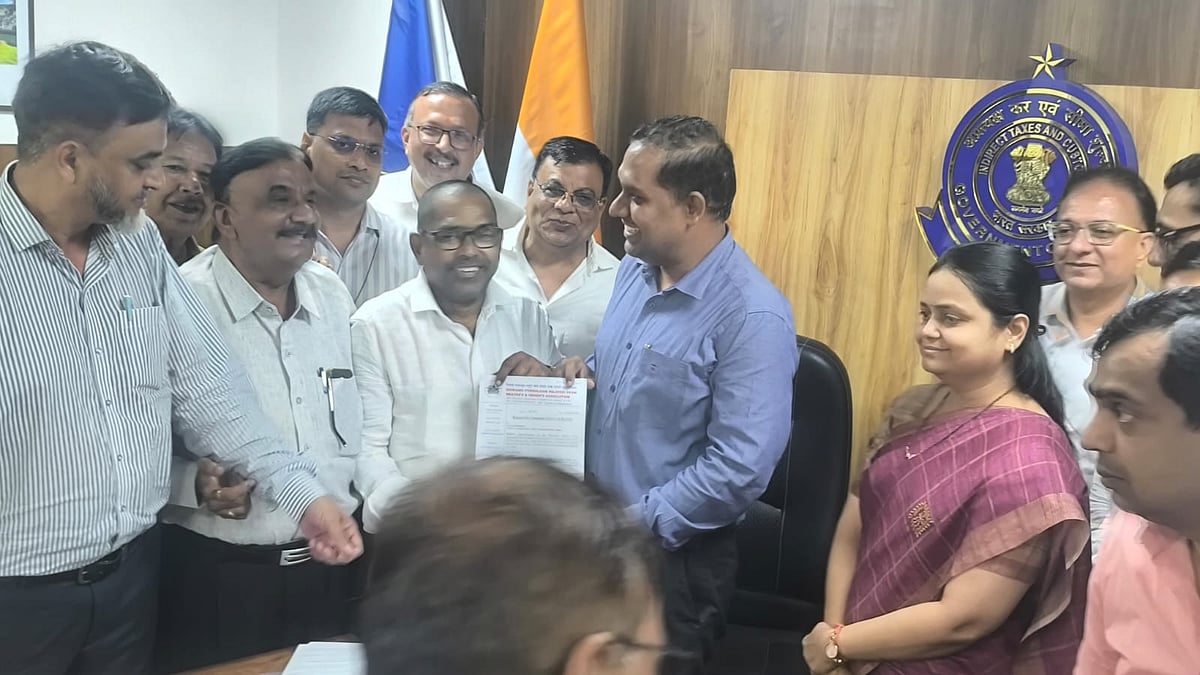
Bhiwandi Powerloom Industry Seeks Relief From GST ITC-04 Penalties
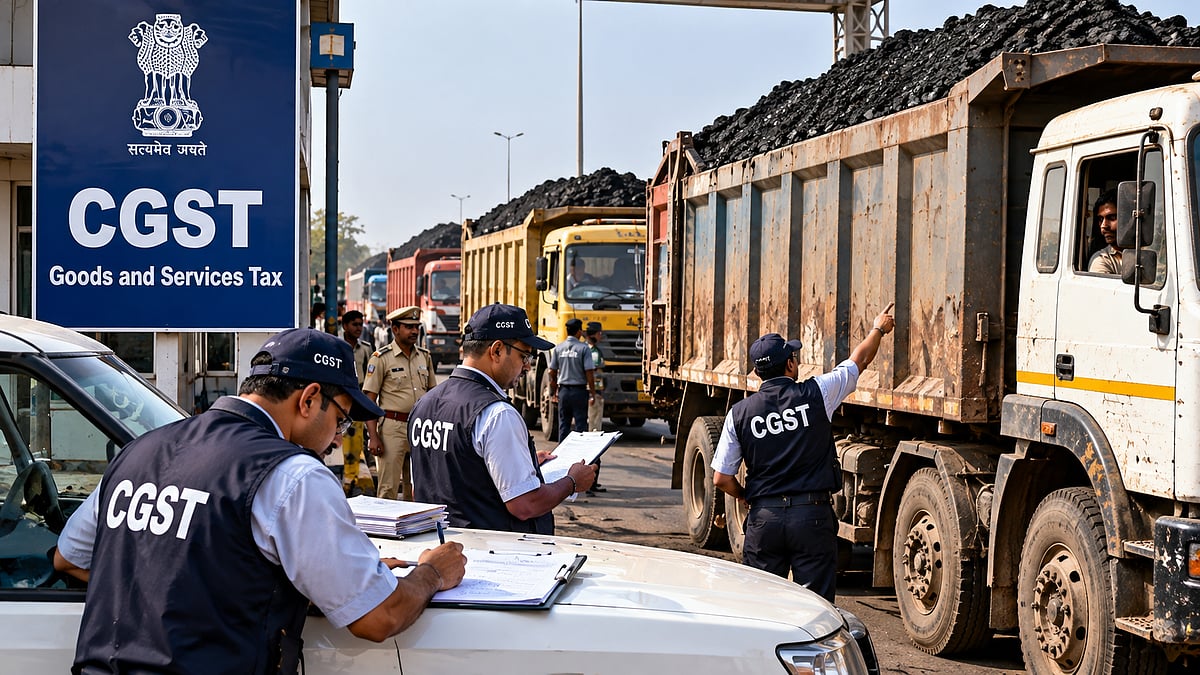
CGST Checks Halt Coal Trucks in Assam, Recover ₹40.42 Lakh

Andhra Pradesh Commercial Tax Collections Rise 18% in First Half
Telangana Leads States in September GST Collection Growth
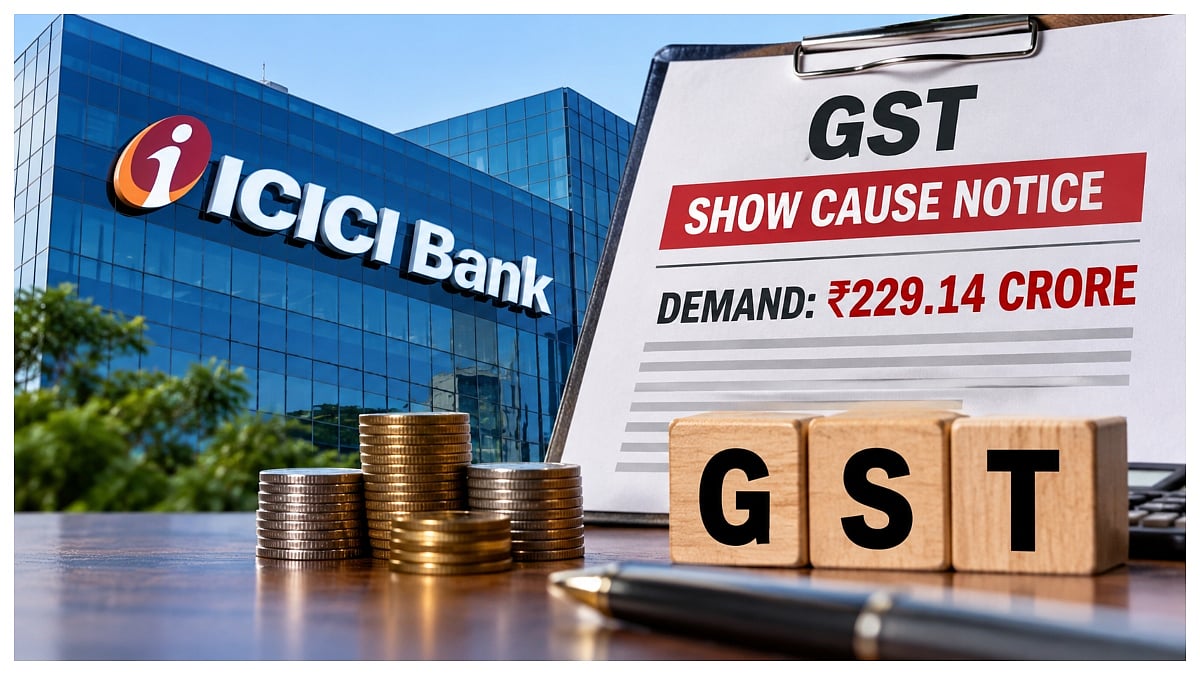
ICICI Bank Faces ₹229 Crore GST Show Cause Notice