

3 days ago
Iranian Supreme Leader Urges Unity Amid Intensifying US Economic Pressure

Iran’s Supreme Leader told people to stay united as the United States increases economic pressure on Iran.
He said Iran should rely more on goods made inside the country.
He also asked the government to focus on education, culture, and young people.
The leader praised officials for keeping essential goods and energy available.
The United States says it wants to restrict money flowing to Iran.
It warned that countries and companies working financially with Iran could also face isolation.
Iran said it expected this action and was prepared for it.
An Iranian minister said the government has a two-year plan to handle the situation.
The two countries therefore disagree about whether the economic pressure will succeed.

Ayatollah Seyyed Mojtaba Khamenei urged Iranians to remain united and support domestic production.
He called for greater attention to culture, education, and the potential of young people.
Khamenei praised the government for securing essential goods and managing energy supplies during sanctions and what he called a third imposed war.
The United States announced Operation Economic Outcast to isolate countries, banks, and businesses financially partnering with Iran.
Iranian officials said Tehran had anticipated the measures and had its own tools and a two-year plan to manage their effects.
- Who
- Iranian Supreme Leader Ayatollah Seyyed Mojtaba Khamenei, the Iranian government, United States officials, and Iranian Economic Affairs and Finance Minister Seyed Ali Madanizadeh.
- What
- Iran urged unity and stronger domestic production while the United States announced expanded economic sanctions and financial isolation measures against Iran.
- Where
- The measures and response concern Iran and countries, banks, and businesses financially connected with Iran.
- When
- The message was issued during Iran’s Government Week, days after the United States announced Operation Economic Outcast.
- Why
- The United States said the sanctions were intended to block Iran’s revenue sources after negotiations to end the war failed to produce the desired result; Iran said it was prepared to manage the pressure.
Iranian Position
United States Position
Effectiveness of economic pressure
Iranian Position
Iranian officials said Tehran was prepared for the measures, had its own tools, and could manage their effects.
United States Position
Scott Bessent described the campaign as the single greatest financial offensive against Iran and said it would tighten restrictions on Iran’s revenue.
International financial ties
Iranian Position
Iran said neither Russia nor China had accepted the measure.
United States Position
The United States said countries, banks, and businesses financially partnering with Iran would be isolated.
Domestic response
Iranian Position
Khamenei urged unity, support for domestic production, and practical planning to address weaknesses and shortages.
United States Position
The United States is using economic sanctions to pressure Iran after efforts to reach a deal on ending the war failed to yield the desired results.
Key facts
- Iranian leader’s appeal
- Ayatollah Seyyed Mojtaba Khamenei called for unity, domestic production, and greater attention to culture and education.
- US measure
- Treasury Secretary Scott Bessent announced Operation Economic Outcast against Iran.
- Stated US objective
- Bessent said the measure would isolate financial partners of Iran and block potential revenue sources.
- Iranian preparation
- Minister Seyed Ali Madanizadeh said Tehran had anticipated the move and had its own tools to respond.
- Government plan
- Madanizadeh said the Iranian government had a two-year plan to manage the events.
- Iranian assessment
- Iran said it was confident it could deal with the US measure and noted that Russia and China had not accepted it.
Quotes

Seyed Ali Madanizadeh
Iranian Minister of Economic Affairs and Finance
“The government is and was ready and has a two-year plan to manage these events.”
 thestatesman.com
“We also have our own tools and know how to play the game.”
thestatesman.com
Sources
Related news
Iran Pushes De-Dollarisation as US Tightens Financial Sanctions
US Seeks Allies’ Support for Economic War on Iran
US Pressures Allies and China to Isolate Iran Economically
US Announces Economic D-Day as Iran Threatens Oil Export Halt
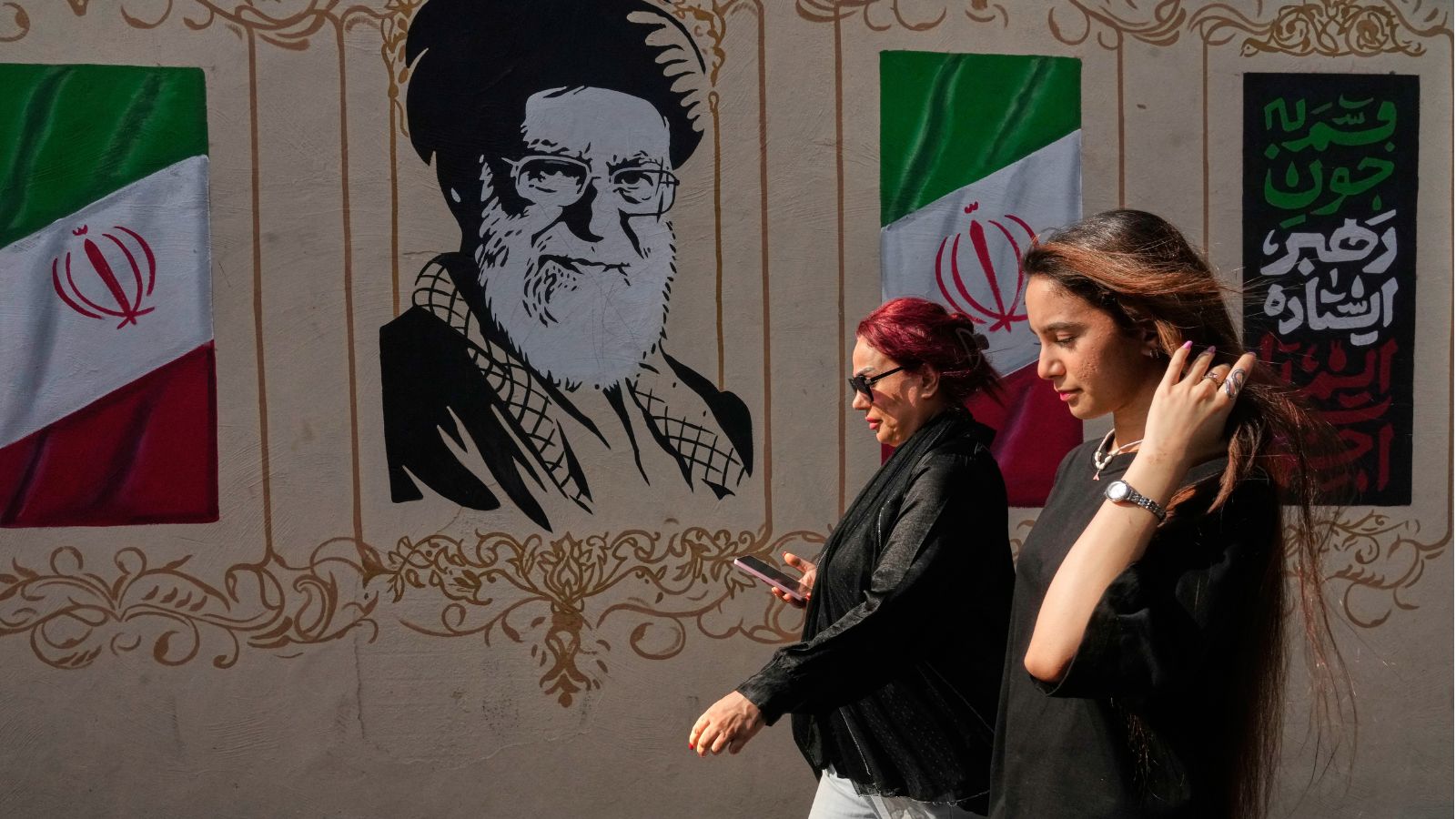
Iran Rejects Trump’s Economic Warfare Sanctions as Counterproductive
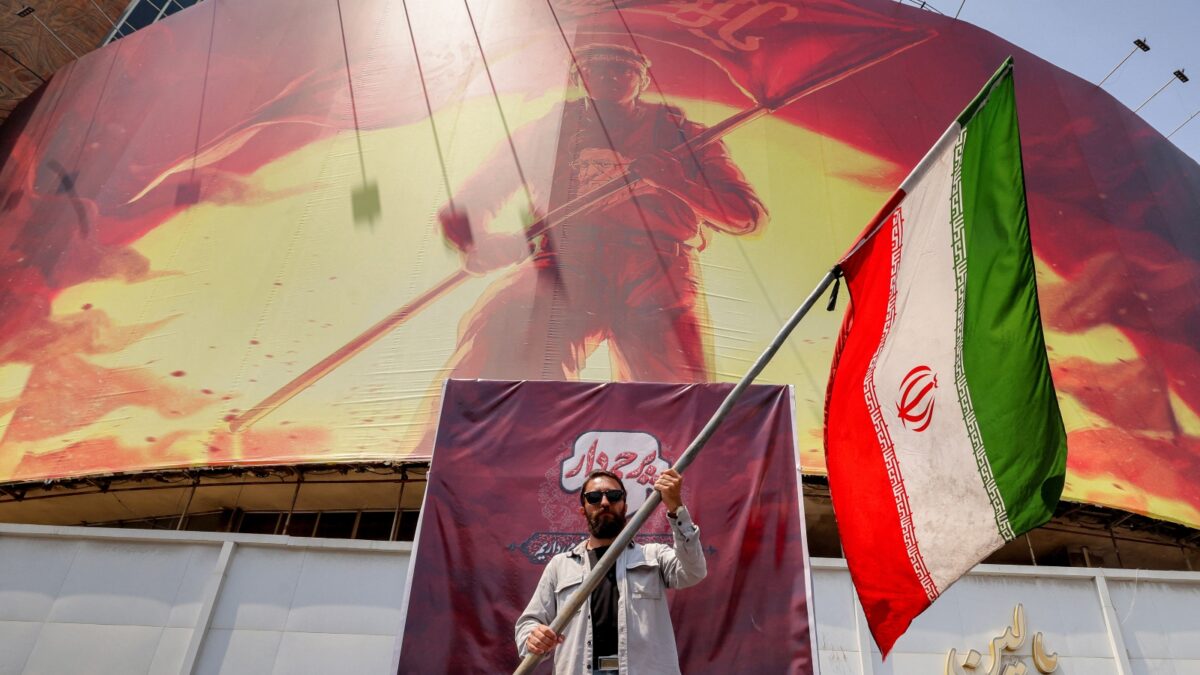
US Escalates Economic Pressure as Iran Plans Sanctions Response

Bessent Threatens Iran Supporters as US Intensifies Economic Pressure
RBI Governor Meets US Fed Chief Kevin Warsh at G20
Indian Firms Invest $40 Billion in U.S., Supporting Jobs
Trump Aides Seek to Keep Iran War Quiet Before Midterms
Global Bond Sell-Off Pushes Japan Yields To 30-Year High
