1 week ago
Iran Rejects Trump’s Economic Warfare Sanctions as Counterproductive
The United States announced very strong new economic penalties against Iran.
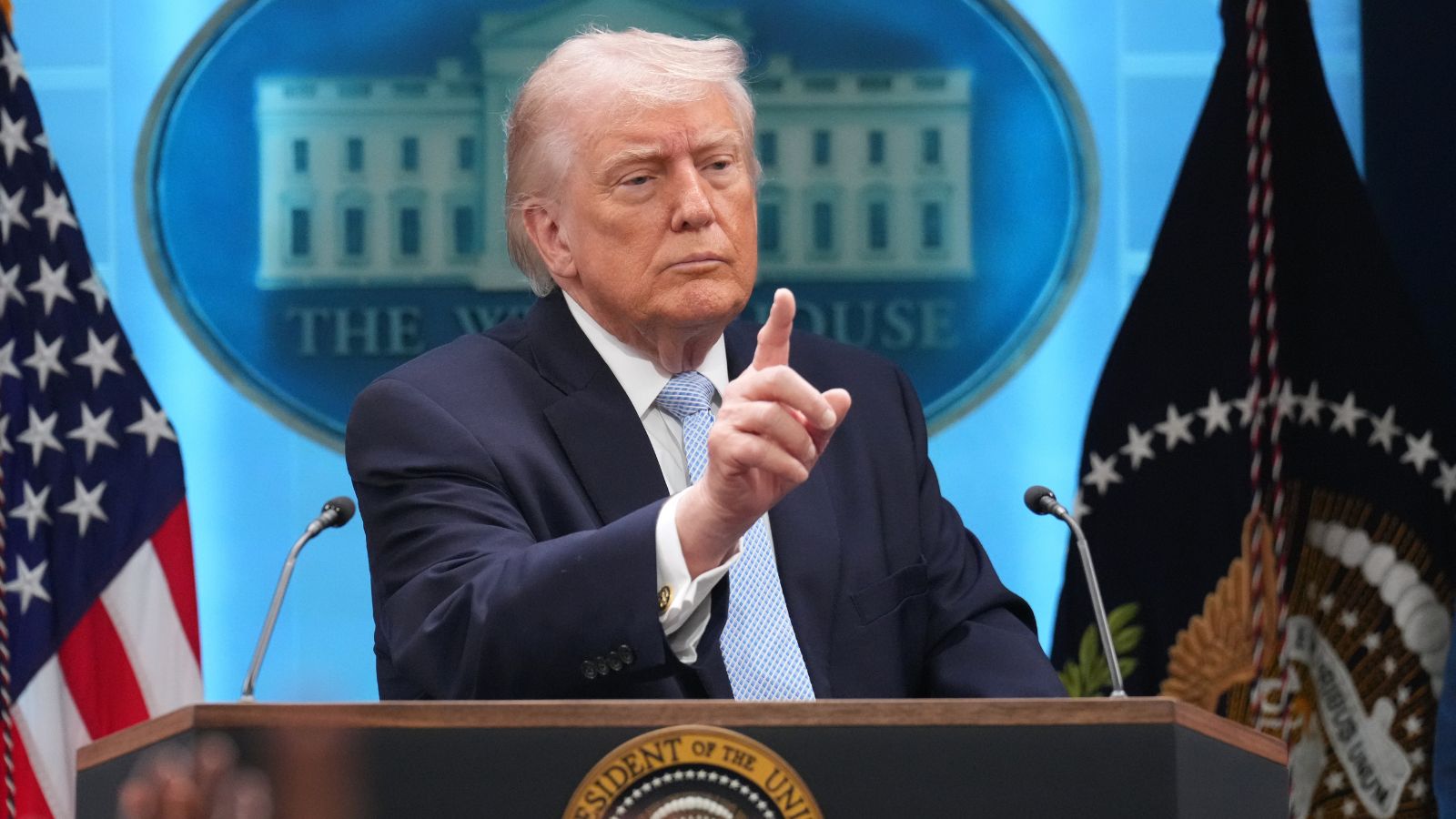
President Donald Trump said the campaign would isolate Iran and punish groups that help its economy.
He warned other countries not to provide Iran with financial support.
Treasury Secretary Scott Bessent said the pressure could help prevent another large military conflict.
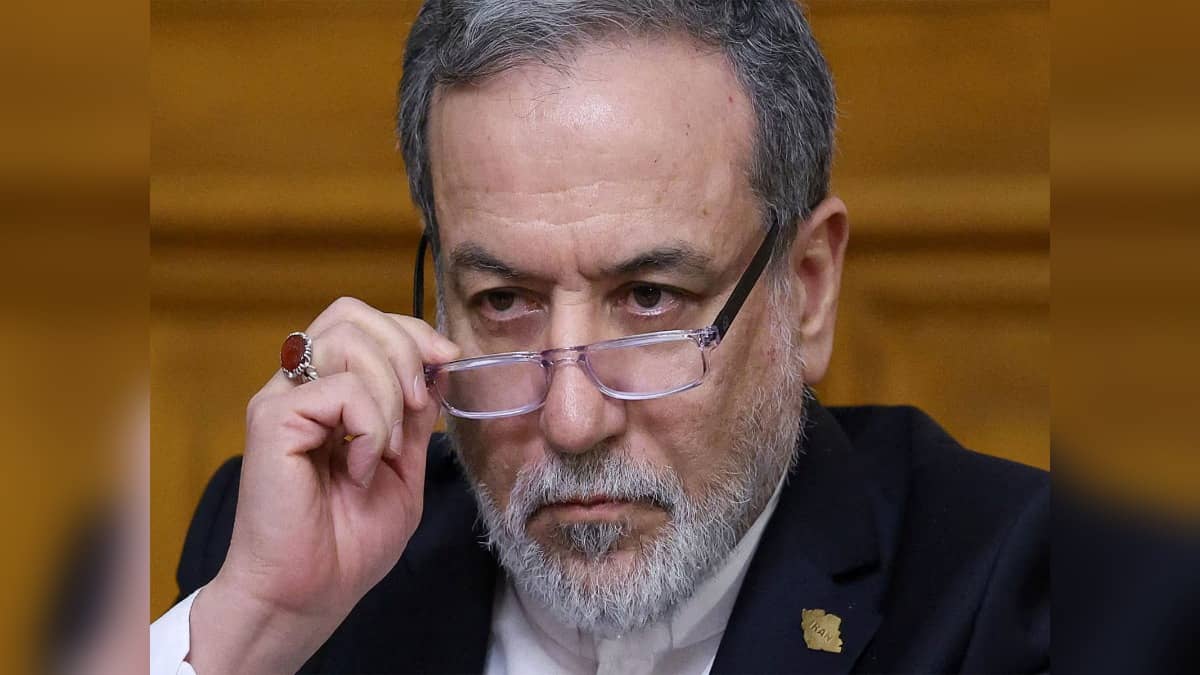
Iran’s foreign minister, Abbas Araghchi, rejected the plan.
He said the sanctions were meant to hide America’s own financial problems.
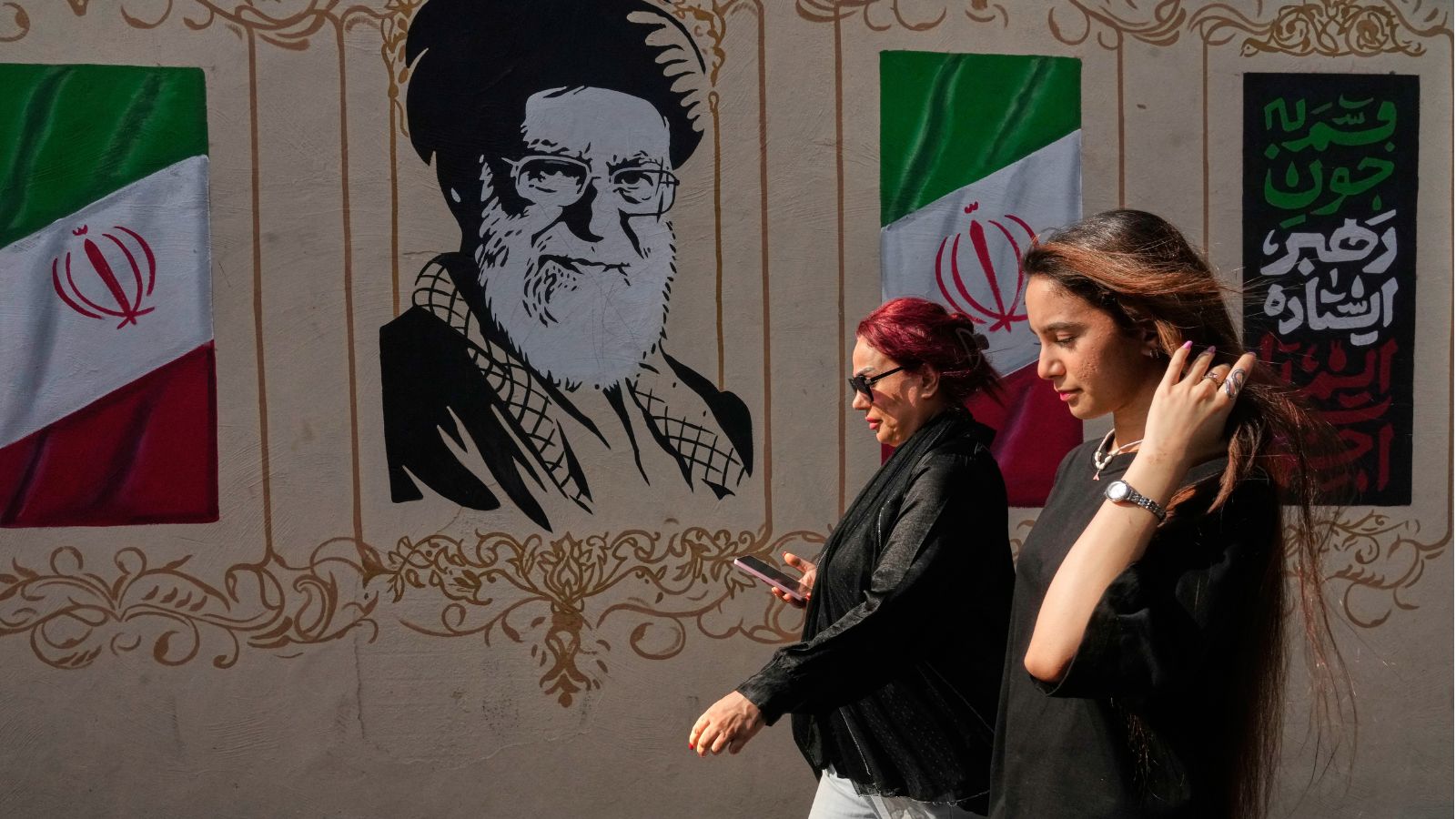
Iran also said ordinary people could be harmed by the measures.
Trump still said talks with Iran might restart later if the issue of nuclear weapons is addressed.

Iranian Foreign Minister Abbas Araghchi called Donald Trump’s sanctions campaign a distraction from Washington’s debt and rising interest costs.
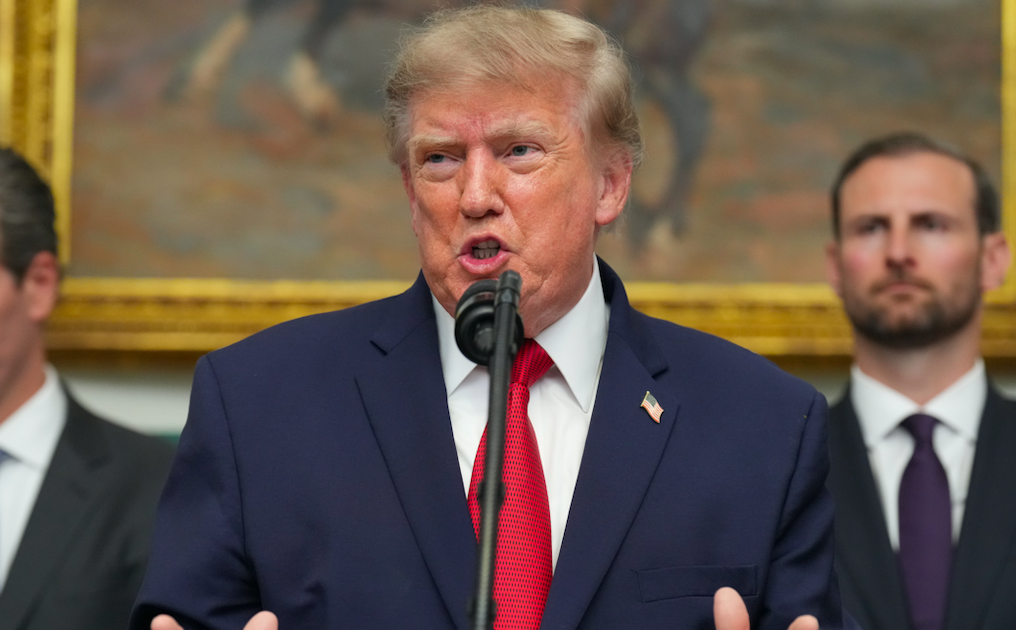
Trump announced an unprecedented economic pressure campaign targeting Iran’s oil smuggling, swap lines, front companies and ship registries.
Trump warned countries, banks, businesses, airports and government bodies supporting Iran could face severe financial consequences.
Treasury Secretary Scott Bessent said the United States would impose its toughest sanctions in history to reduce the risk of renewed large-scale military action.
Iran condemned the measures as economic terrorism, while Trump said negotiations could resume if Tehran addresses U.S. concerns about nuclear weapons.
- Who
- The governments of the United States and Iran, including Donald Trump, Abbas Araghchi and Scott Bessent, are central to the dispute; Chuck Schumer also criticized Trump’s priorities.
- What
- The United States announced a broad sanctions and economic-isolation campaign against Iran, which Tehran rejected as economic warfare and terrorism.
- Where
- The dispute concerns the United States and Iran, with possible effects on Middle Eastern oil markets and shipping through the Strait of Hormuz.
- When
- The announcements and reactions were reported on August 20-21, 2026.
- Why
- Trump said the pressure is intended to isolate Iran and prevent it from obtaining a nuclear weapon, while Iran said the campaign reflects Washington’s domestic economic problems and would harm civilians.
Iran and Critics of the Campaign
Trump Administration’s Position
Purpose of the sanctions
Iran and Critics of the Campaign
Abbas Araghchi said the sanctions are a smokescreen for Washington’s debt and rising interest costs, while Chuck Schumer criticized Trump for focusing on another Middle East war instead of fuel prices and national debt.
Trump Administration’s Position
Donald Trump presented the measures as an unprecedented strategy to isolate Iran, and Scott Bessent described economic pressure as an alternative to renewed large-scale military action.
Impact on civilians and the global economy
Iran and Critics of the Campaign
Iran’s foreign ministry said the sanctions would harm ordinary Iranians, amount to economic terrorism and threaten other nations’ sovereignty and the global economy.
Trump Administration’s Position
The administration argued that stronger economic pressure could reduce the likelihood of a large-scale military escalation.
Prospects for negotiations
Iran and Critics of the Campaign
Iran said continuing failed pressure would bring further defeat and greater hostility from Iranians.
Trump Administration’s Position
Trump left open the possibility of future negotiations, while saying the United States wants to prevent Iran from obtaining a nuclear weapon.
Key facts
- U.S. policy
- Donald Trump announced what he called “Economic Warfare and Isolation on an unprecedented scale” against Iran.
- Sanctions targets
- The campaign is expected to target oil smuggling, swap lines, front companies and ship registries.
- Third-party warning
- Trump threatened severe financial consequences for countries and institutions that help sustain Iran’s economy.
- Treasury briefing
- Scott Bessent said further details would be released at a press conference early the following week.
- Iran’s response
- Abbas Araghchi called the campaign a distraction from Washington’s unprecedented debt and surging interest costs.
- Talks
- Trump said negotiations with Iran could resume at some point, with preventing an Iranian nuclear weapon among the stated U.S. demands.
- Regional context
- The article said separate ceasefire deals announced in April and June failed to restore lasting free shipping through the Strait of Hormuz.
Quotes

Scott Bessent
U.S. Treasury Secretary
“The Treasury Secretary said Washington will roll out "the toughest sanctions in history" against Iran, framing the economic squeeze as an alternative to further large‑scale military action.”
 indianexpress.com
“"Gas above $4/gal. National debt at $40 trillion. Another endless war in the Middle East"”
indianexpress.com

Abbas Araghchi
Iranian Foreign Minister
“Iran’s top diplomat dismissed Trump’s sanctions push as a smokescreen for America’s fiscal woes, not a serious Iran policy.”
indianexpress.com
Sources
Related news
US Seeks Allies’ Support for Economic War on Iran

Trump Announces Unprecedented Economic Campaign to Isolate Iran, Warns Allies
Trump Announces Economic D-Day Against Iran as Araghchi Responds
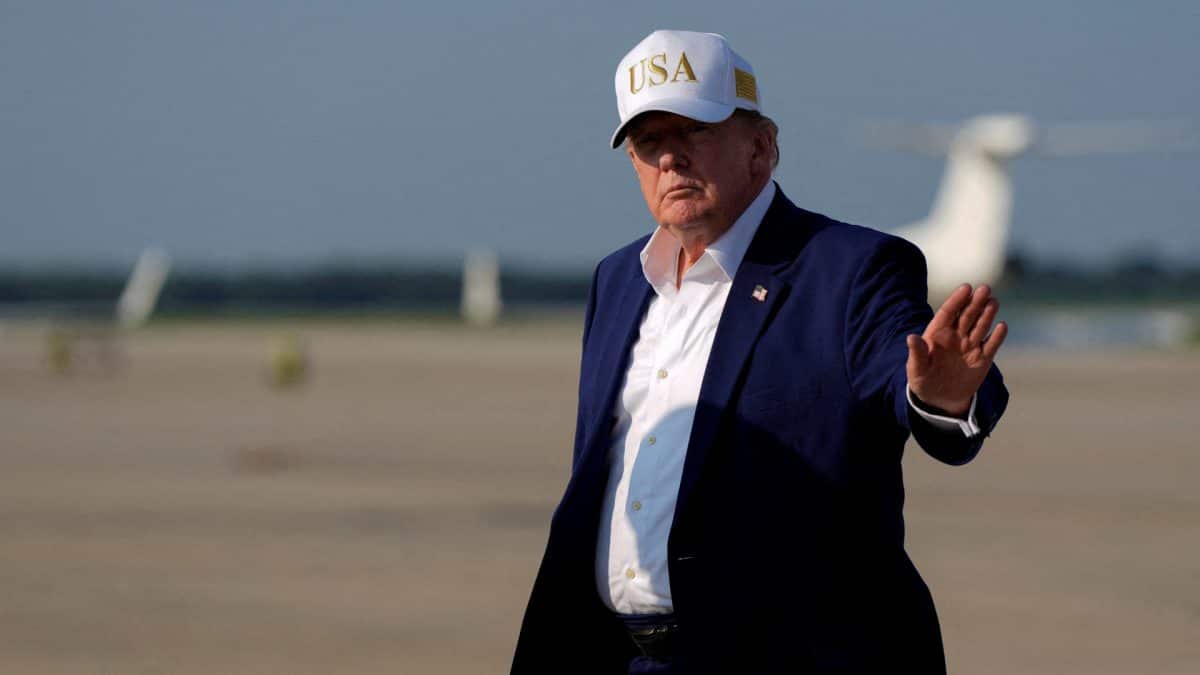
Trump Announces Crushing Economic Operation Against Iran, Warns Supporters
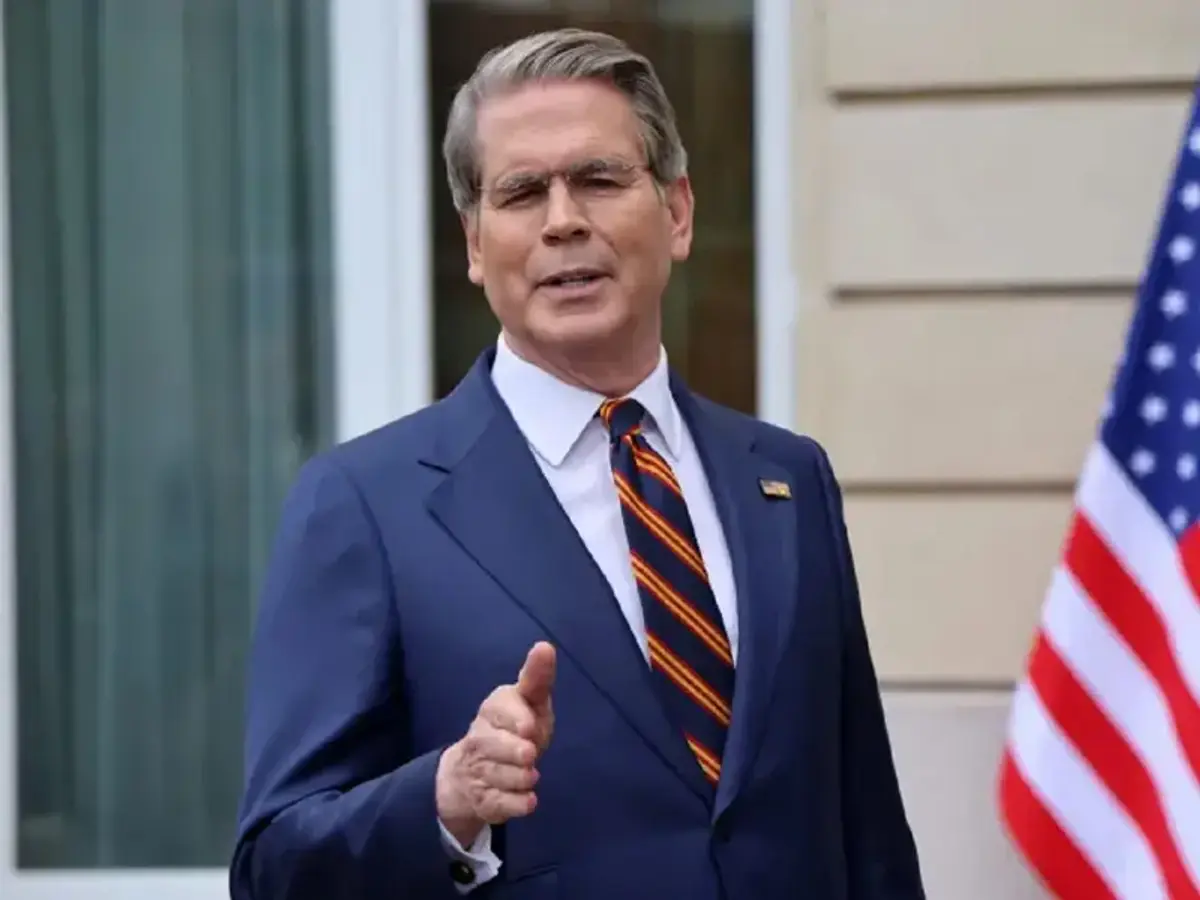
US Announces Economic D-Day as Iran Threatens Oil Export Halt
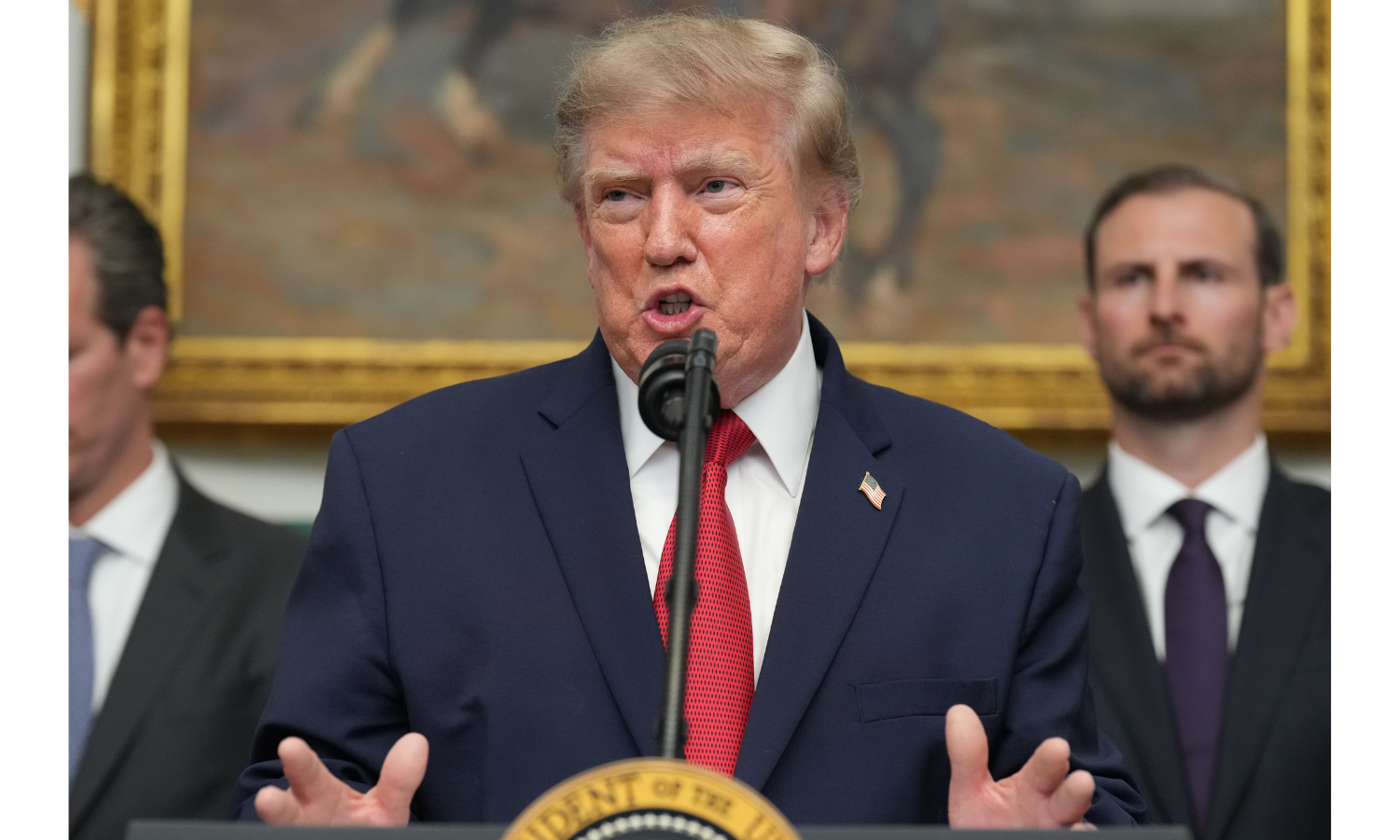
Trump Warns Iran of Economic D-Day as Sanctions Escalate

Trump Floats Renaming Strait of Hormuz as ‘Trump Strait’

Chevron Plans $7 Billion Venezuela Expansion Amid U.S. Oil Push

Saudi Arabia Says Iranian Tanker Attack Killed Two Sailors
U.S.-Iran Exchange Escalates Across Middle East, Markets Slide
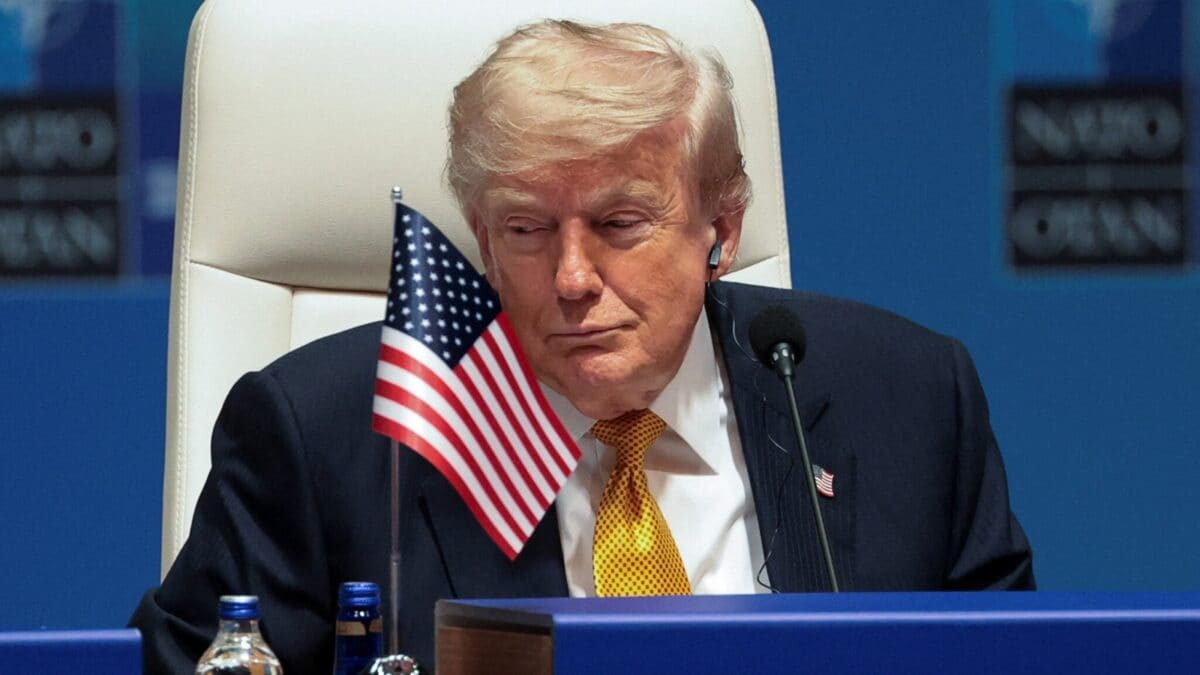
Trump Aides Seek Quiet Iran War Before Midterm Elections