3 days ago
Instant Personal Loans Without Salary Slips: Eligibility, Documents, and Risks
Some people earn money without receiving a regular salary slip.
They may be freelancers, consultants, or small-business owners.
These people can still apply for a personal loan.
The lender will look for other proof that the person earns money and can repay the loan.
Bank statements, tax returns, business records, and credit history may help.
Aadhaar and PAN can prove identity and tax details, but they do not prove income by themselves.
A good credit history and steady income can improve the chances of approval.
Borrowers should also check all fees, interest, penalties, and repayment rules before accepting the loan.

Borrowers may obtain personal loans without salary slips if they can demonstrate income and repayment ability through alternative records.
Lenders may assess bank statements, credit history, existing EMIs, income stability, and the requested loan amount.
Useful documents can include KYC records, PAN or Form 60, bank statements, ITRs, certified financial statements, and business records.
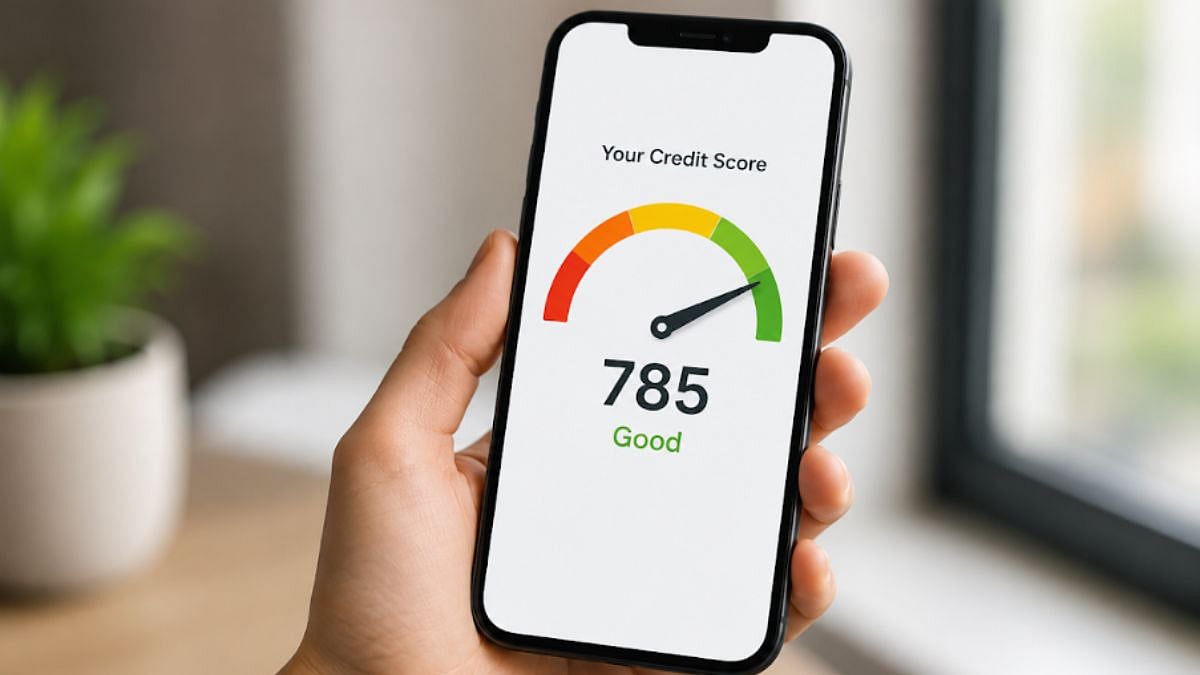
A CIBIL score above 700 is generally considered good, although lenders apply their own eligibility criteria.
Applicants should review interest, fees, APR, penalties, tenure, and prepayment terms before accepting a loan.
- Who
- Freelancers, self-employed workers, consultants, small-business owners, and other borrowers without traditional salary slips.
- What
- The possibility, requirements, eligibility factors, and risks of obtaining an instant personal loan without a salary slip.
- Where
- India.
- When
- The guide refers to changing workforce patterns in 2025 and to applications made when borrowers need financing.
- Why
- Lenders use alternative financial records to assess income stability and whether the borrower can repay an unsecured loan.
Key facts
- Self-employed workforce
- Self-employed workers formed 56.2% of India's workforce in 2025, according to the article.
- Alternative income evidence
- Bank statements, ITRs, Form 16, employment certificates, certified income statements, and business records may help when salary slips are unavailable.
- Identity and tax documents
- Aadhaar, passport, voter ID, driving licence, and other KYC documents can verify identity and address; PAN or Form 60 supports tax identity checks.
- Credit score range
- A CIBIL score ranges from 300 to 900, and a score above 700 is generally considered good.
- Eligibility factors
- Lenders may consider income consistency, existing EMIs, credit history, recent credit enquiries, professional continuity, and the requested loan amount.
- Costs to review
- Borrowers should check the interest rate, processing fee, APR, EMI, tenure, penal charges, and prepayment or foreclosure terms.
Sources
Related news

First-Time Borrowers: Personal Loan Eligibility, Credit Scores and Repayment

Personal Loans: Eligibility, Interest Rates, EMIs and Repayment Guide
Can You Get a Credit Card Without a Bank Account?

Use EMI Estimates to Prevent Personal Loan Over-Borrowing

How Smart Borrowing Can Build Wealth Without Straining Budgets
Comparing Personal Loans for Weddings, Travel and Home Renovations
Nine Credit Card Habits That Can Improve Your CIBIL Score

How Festive Spending Can Protect or Hurt Your Credit Score

Why an 800+ CIBIL Score Still May Not Secure Loans

EMI Bounces May Trigger Penalties and Credit Score Damage