4 days ago
Why an 800+ CIBIL Score Still May Not Secure Loans

A credit score is like a report card for how someone has borrowed and repaid money.
A score above 800 is usually considered very strong.
But banks look at more than just that number.
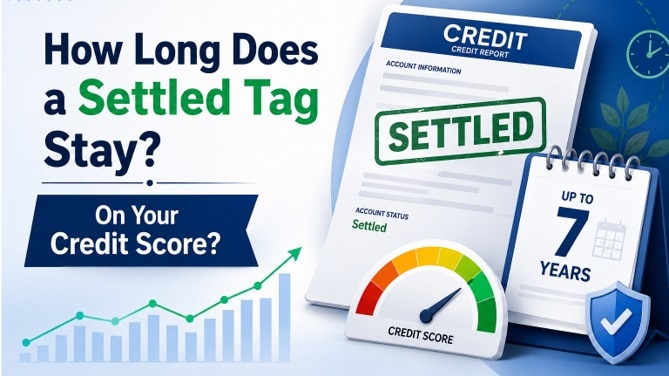
If someone previously paid less than the full amount owed, the account may be marked “settled.”
This mark can stay on the person’s credit report for years.
Lenders may worry that the person could have trouble repaying again.
The borrower can try to pay the remaining amount to the original lender.
They should then obtain written proof and ask the lender to update the credit record.
Checking the report regularly and paying bills on time can also help.

A CIBIL score above 800 reflects strong credit habits but does not guarantee loan approval.
Lenders may view a past “settled” account as evidence of higher repayment risk.
A settled status can remain visible on credit reports for years and is not removed automatically.
Borrowers can repay the outstanding difference and request written confirmation and an updated account status.
Lenders also assess income, repayment capacity, existing liabilities, and broader credit patterns.
- Who
- Borrowers with high CIBIL scores and financial institutions assessing their loan applications.
- What
- Loan approval is not guaranteed by an 800-plus score, particularly when a past account is marked “settled.”
- Where
- On borrowers’ CIBIL credit reports and in lenders’ internal loan-assessment processes.
- When
- The settled mark may remain visible on credit reports for years; borrowers should address it before seeking emergency credit.
- Why
- Lenders evaluate repayment risk using income, liabilities, repayment capacity, and past credit conduct in addition to the score.
Key facts
- High-score benchmark
- A CIBIL score above 800 demonstrates healthy credit habits.
- Settled status
- It indicates that a lender accepted less than the original total amount owed.
- Visibility
- A settled remark can remain on credit reports for years and is not removed automatically.
- Lender concern
- Financial institutions may view settled accounts as a sign of higher future default risk.
- Correction step
- The borrower can pay the remaining balance to the original lender and request an updated status.
- Other assessment factors
- Lenders also examine income, repayment capacity, existing liabilities, and underlying credit patterns.
- Potential benefits of a strong score
- It may support competitive interest rates, larger limits, faster processing, and pre-approved offers, subject to lender policy.
Sources
Related news
How Long Does a Settled Loan Tag Affect Credit?

Why a 780 Credit Score May Not Secure Home Loan

Why Credit Scores Drop Despite On-Time EMI Payments

Can a Forgotten ₹500 Bill Hurt Your Credit History?

Nine Credit Card Habits That Can Improve Your CIBIL Score

Loan Prepayment Saves Interest but Does Not Guarantee Better Credit

How Festive Spending Can Protect or Hurt Your Credit Score

Instant Personal Loans Without Salary Slips: Eligibility, Documents, and Risks

EMI Bounces May Trigger Penalties and Credit Score Damage