1 day ago
How Festive Spending Can Protect or Hurt Your Credit Score

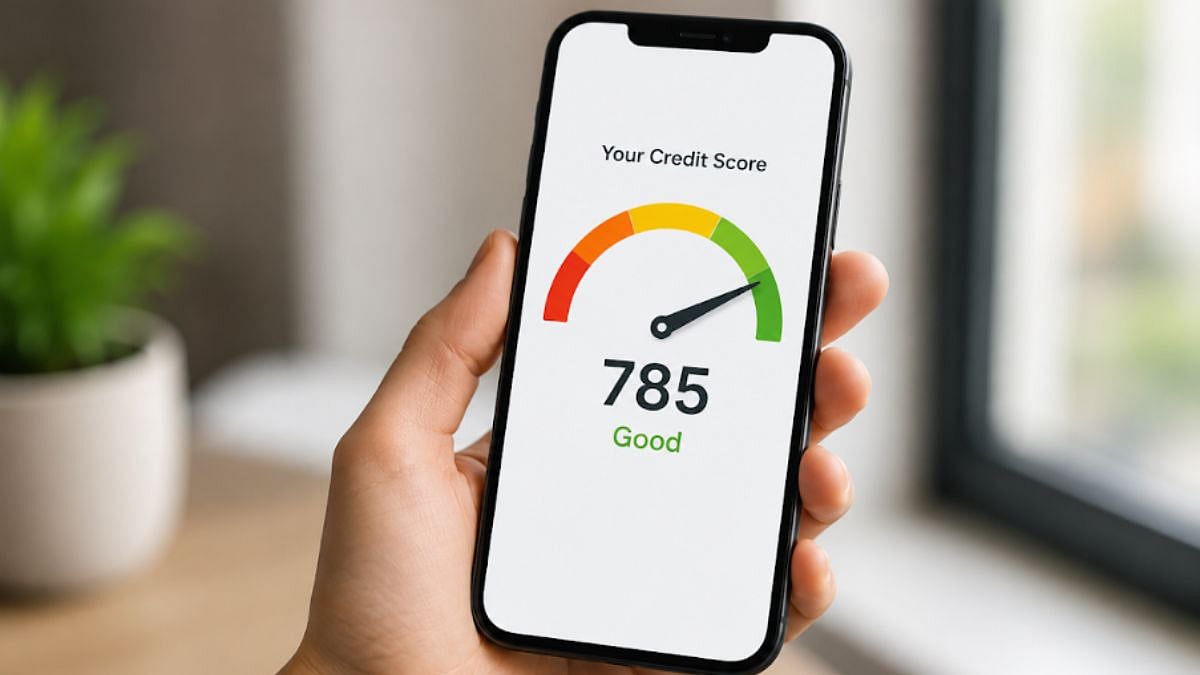
Festive shopping can be fun, but using too much credit can make repayment harder.
A credit card balance may appear in your credit information before you pay the bill.
Using several cards can sometimes keep the balance on each card lower, but your total borrowing must still be manageable.
Buy-now-pay-later plans and instant EMIs are also loans that need to be repaid.
Having many repayment dates during the festive season makes it easier to miss one.
A missed payment can hurt your credit profile.
Setting up automatic payments and marking due dates on a calendar can help.
Checking your credit report before applying for more credit can also help you find mistakes early.

High card balances may appear in credit reports before the monthly bill is paid.
Splitting ₹1.8 lakh across two cards with ₹1.5 lakh limits each would keep utilisation at 60% per card.
BNPL and instant EMIs are credit obligations that can add to total monthly repayments.
The Reserve Bank of India requires digital lending, including deferred-payment BNPL, to be reported to credit information companies.
Auto-debit, a repayment calendar and a pre-season credit-report check can help prevent missed payments and errors.
- Who
- Credit card users and consumers using BNPL, EMIs or other borrowing during the festive season.
- What
- The article explains how festive borrowing and repayment habits can affect credit scores and offers ways to manage the risk.
- Where
- When
- During the festive season; Diwali-related payments may fall due in October or November.
- Why
- To help consumers avoid high utilisation, missed payments, excessive repayment obligations and credit-reporting errors.
Key facts
- Credit reporting frequency
- Credit institutions must update credit information at least fortnightly, on the 15th and the last day of the month; more frequent reporting is allowed.
- Example card utilisation
- ₹1.8 lakh split equally across two cards with ₹1.5 lakh limits would produce 60% utilisation on each card.
- Past-due reporting
- Under Reserve Bank of India guidelines, a credit card account can be reported as past due after it remains unpaid for more than three days after the due date.
- BNPL treatment
- Deferred-payment BNPL products covered by digital lending rules are credit obligations and must be reported to credit information companies.
- Free credit reports
- TransUnion CIBIL, Experian, Equifax and CRIF High Mark must each provide one free full credit report, including the score, every calendar year.
- Complaint compensation
- Complaints not resolved within 30 days may attract compensation of ₹100 per day, subject to applicable conditions.
Sources
Related news

Experts Explain Whether One-Time 90% Credit Utilization Hurts Scores

Why Credit Scores Drop Despite On-Time EMI Payments
Nine Credit Card Habits That Can Improve Your CIBIL Score

Can a Forgotten ₹500 Bill Hurt Your Credit History?

How Unused Credit Can Support Scores and Financial Flexibility
Understanding Credit Scores, Reports, Checks, and Responsible Credit Management
Instant Personal Loans Without Salary Slips: Eligibility, Documents, and Risks

Why an 800+ CIBIL Score Still May Not Secure Loans

EMI Bounces May Trigger Penalties and Credit Score Damage