2 hrs ago
Fendi’s Rs 8.3 Lakh Bag Draws Cultural Appropriation Outrage
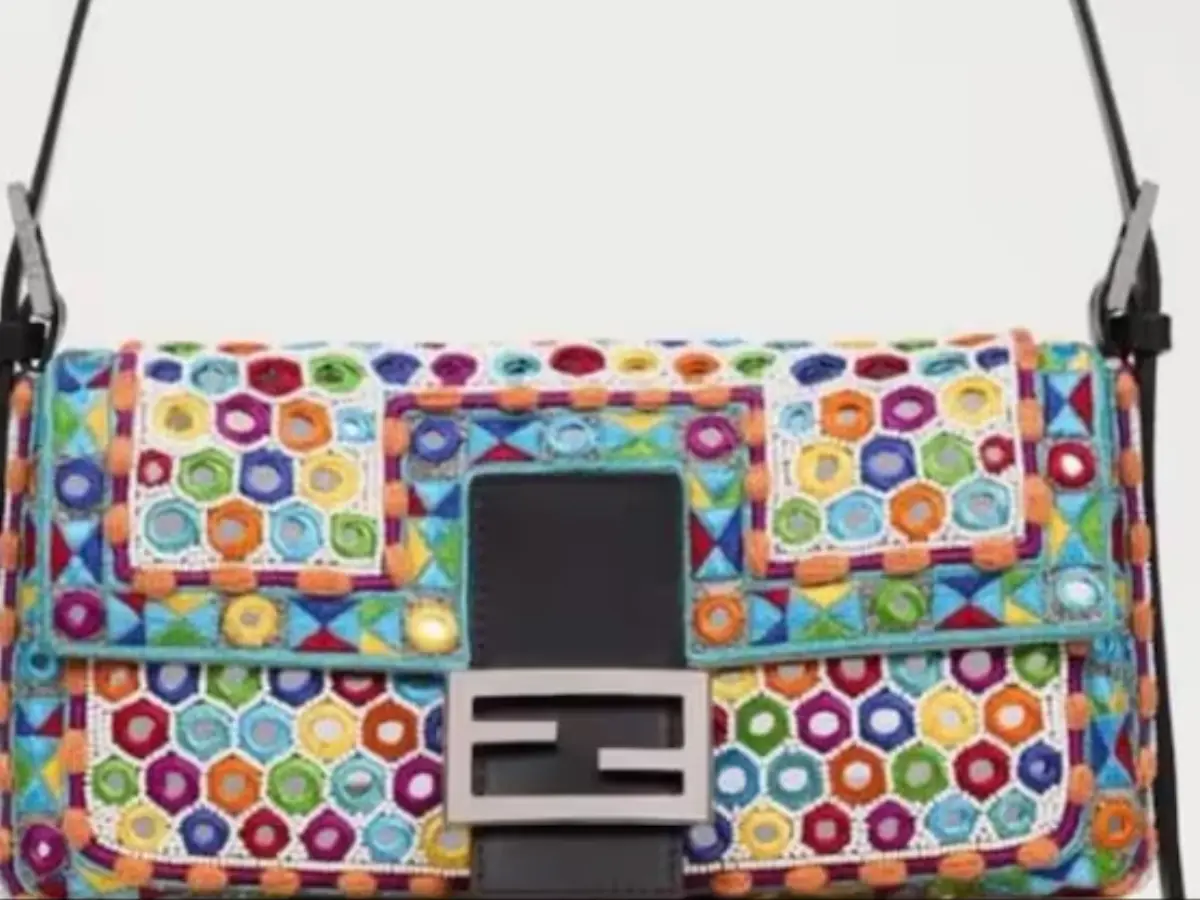
Fendi is selling a colorful bag decorated with embroidery, mirrors and beads.
Some people say it looks like traditional craft from Gujarat and Rajasthan in India.
Similar-looking bags can cost hundreds or a few thousand rupees in Indian markets.
Fendi’s bag reportedly costs about Rs 8.3 lakh.
This made people question whether the brand is charging a luxury price for an Indian-inspired design.
Harsh Goenka and Kiran Mazumdar-Shaw said Indian artisans should receive credit and recognition.
Critics described the situation as cultural appropriation.
Fendi has not been found to have credited Indian roots in the post about this particular bag.
However, the brand previously shared a video crediting Chanakya artisans for similar craftsmanship.

Fendi’s “Baguette 26424: Multicolour Re Edition” bag features embroidery, mirrors and beads.
Critics say the design closely resembles affordable traditional embroidery associated with Gujarat and Rajasthan.
The bag’s reported price is $10,000, or about Rs 8.3 lakh, compared with Rs 500–Rs 1,000 for similar market bags.
Harsh Goenka and Kiran Mazumdar-Shaw accused Fendi of failing to properly credit Indian artisans and traditions.
Fendi previously posted an April video crediting Chanakya artisans for transforming sequins, beads and mirrors into art.
- Who
- Fendi, along with critics including Harsh Goenka and Kiran Mazumdar-Shaw, is at the center of the discussion.
- What
- Fendi is selling an embroidered, mirror- and bead-covered bag that critics say resembles traditional Gujarati and Rajasthani craft.
- Where
- The design has been associated with Gujarat and Rajasthan, India; the product is being sold by Fendi.
- When
- The controversy followed the bag’s launch; Fendi had shared a related craftsmanship video in April, though the year is not specified.
- Why
- Critics object to the reported Rs 8.3 lakh price and say Indian craftsmanship and artisans were not adequately credited.
Critics of Fendi
Fendi’s Craftsmanship Context
Credit for Indian-inspired craft
Critics of Fendi
Critics, including Harsh Goenka and Kiran Mazumdar-Shaw, say Fendi failed to acknowledge the Indian artisans and traditions that appear to inspire the design.
Fendi’s Craftsmanship Context
Fendi previously posted a video crediting Chanakya artisans for transforming sequins, beads and mirrors into works of art, although no credit to Indian roots was found for the specific bag post.
Luxury pricing
Critics of Fendi
Critics object to Fendi reportedly charging Rs 8.3 lakh for a bag resembling items available for roughly Rs 500 to Rs 1,000 in Indian markets.
Fendi’s Craftsmanship Context
The article does not report a specific response from Fendi defending the price or explaining the product’s pricing.
Cultural appropriation versus inspiration
Critics of Fendi
Critics describe the repackaging of Indian traditional craft as luxury without clear attribution as cultural appropriation and say it undermines Indian artisans.
Fendi’s Craftsmanship Context
Fendi’s earlier craftsmanship video indicates the brand has publicly highlighted artisans involved in a similar design, though the article does not establish whether the specific bag was made by them.
Key facts
- Brand
- Fendi
- Product
- Baguette 26424: Multicolour Re Edition bag with embroidery and mirrors
- Reported price
- $10,000, approximately Rs 8.3 lakh
- Comparable Indian market price
- About Rs 500 to Rs 1,000 for similar embroidered bags
- Craft elements
- Embroidery, mirrors, beads and sequins
- Criticism
- Accusations of cultural appropriation and insufficient credit to Indian artisans
- Fendi’s earlier credit
- An April video credited Chanakya artisans for creating similar work
Quotes

Kiran Mazumdar-Shaw
Bitcoin founder who criticized Fendi’s treatment of Indian traditional craft.
“After the Prada Kolhapuri chappal scandal, here comes the Fendi 'Navratri" bag. Charging ₹8.3 Lakhs for a design that looks exactly like a ₹500 bag available in the streets of Gujarat. And zero credit to Indian artisans. When will luxury brands stop colonising our crafts?”
 wionews.com
“This is a case of cultural appropriation & not in good taste. Repackaging India’s traditional craft as luxury, without credit to the artisans who created and preserved it, undermines our authentic talent and heritage.”
wionews.com
Sources
Related news

Fendi Navratri-Style Bag Sparks Debate Over Indian Craft Credit
Ralph Lauren’s Zardozi Controversy Rekindles Debate Over Cultural Credit

How Indian Paan Shop Bags Became Unexpected Global Fashion Icons

Sandeep Khosla Criticizes Urvashi Rautela Over Gigi Hadid Saree Copy

Indian Couture Turns Heritage Into A Contemporary Luxury Language

GIVA Withdraws Kriti Sanon Raksha Bandhan Ad After Backlash

Geetanjali Kirloskar Receives FKCCI’s Sir M. Visvesvaraya Award

Bengaluru Entrepreneur Repairs Footpath After Complaints, Sparking Online Debate
India’s Bizarre Headlines Span Textbooks, Towers, SUVs and Fake Officials