

1 hr ago
Fendi Bag Draws Debate Over Indian Craft Credit

Fendi made a very expensive bag decorated with mirrors, embroidery and beads.
Many people said it looks like clothing and decorations seen during Navratri in Gujarat.
They were upset because Fendi’s website does not mention India or the tradition behind the design.
The bag was made by Indian artisans in Mumbai through a workshop called Chanakya.
Chanakya’s workers were commissioned and paid for their work.
This means the craftsmanship was not simply taken without permission.
However, the article says Fendi should have given clearer credit to the Indian craft tradition and the workshop.
The debate is about recognition and transparency, not only about who made the bag.

Fendi’s embroidered, mirror-worked Baguette bag sells for nearly Rs 9.5 lakh, or about $10,000.
Its bright colors, mirrors and beadwork resemble styles associated with Gujarat’s Navratri bazaars.
The bag was reportedly made by hand in Mumbai by Chanakya, an Indian embroidery and craft house.
Critics say Fendi’s product description omits India, Navratri and Chanakya despite the design’s apparent cultural roots.
The article distinguishes between paid collaboration with Indian artisans and a lack of transparency about the craft’s inspiration.
- Who
- Fendi, Chanakya and its Mumbai-based artisans are central to the story; critics on social media raised concerns about cultural credit.
- What
- A Fendi Baguette bag featuring embroidery, mirrors and beads has prompted debate over whether its Indian-inspired design is properly acknowledged.
- Where
- The bag was made by hand at Chanakya’s workshop in Mumbai, while its appearance was associated with Gujarat’s Navratri bazaars.
- When
- The social-media discussion began after a content creator posted about the bag last week; the bag is part of Fendi’s Fall/Winter 2026–27 collection.
- Why
- Critics objected that Fendi’s product description does not identify India, Navratri or Chanakya, although the article says Indian artisans were commissioned and paid.
Critics’ View
Collaboration Context
Cultural acknowledgment
Critics’ View
Fendi should identify the Indian tradition and region reflected in the bag’s mirrors, embroidery and colors.
Collaboration Context
The bag was produced through an established relationship with Chanakya and was made by Indian artisans, providing a form of direct involvement.
Cultural appropriation
Critics’ View
The lack of credit resembles earlier controversies involving products associated with Indian clothing and craft traditions.
Collaboration Context
The article says this is not a clear-cut case of copying because Chanakya was commissioned and paid rather than the design being taken without any Indian participation.
Brand responsibility
Critics’ View
Fendi’s product page should name Chanakya and explain the cultural inspiration behind a design marketed at a luxury price.
Collaboration Context
The article does not report a direct Fendi defense, but says the production relationship makes the situation different from uncredited copying without compensation.
Key facts
- Product
- Fendi Baguette 26424: Multicolor Re Edition bag with embroidery and mirrors
- Price
- Close to Rs 9.5 lakh, or roughly $10,000
- Collection
- Fendi Fall/Winter 2026–27
- Craft location
- Chanakya workshop in Mumbai
- Visual associations
- Mirror work, bright embroidery and beadwork linked by critics to Gujarat’s Navratri style
- Product-page attribution
- The listed description does not mention India, Navratri or Chanakya
- Craft house
- Chanakya is described as an Indian embroidery and craft house that also operates a school for young women
Quotes
@nirjalicious
Content creator who posted a social-media reel about Fendi’s bag
“preparing us for Navratri this year”
 thestatesman.com
“Not Fendi offending our roots.”
thestatesman.com
Sources
Related news

Chanakya Celebrates 40 Years With Three Mumbai Craft Exhibitions
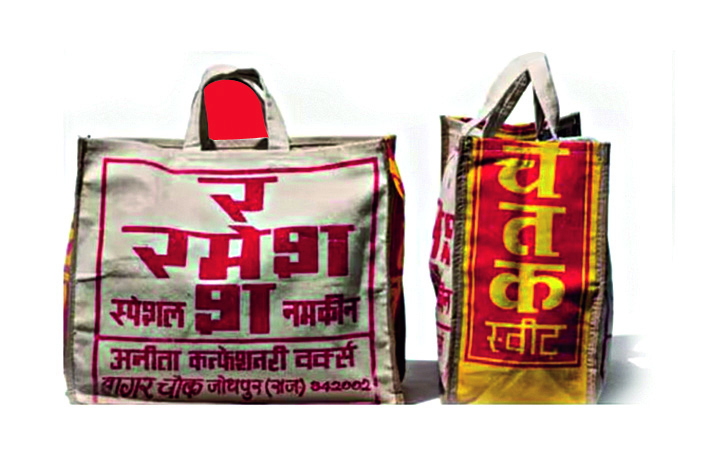
How Indian Paan Shop Bags Became Unexpected Global Fashion Icons

Sandeep Khosla Criticizes Urvashi Rautela Over Gigi Hadid Saree Copy
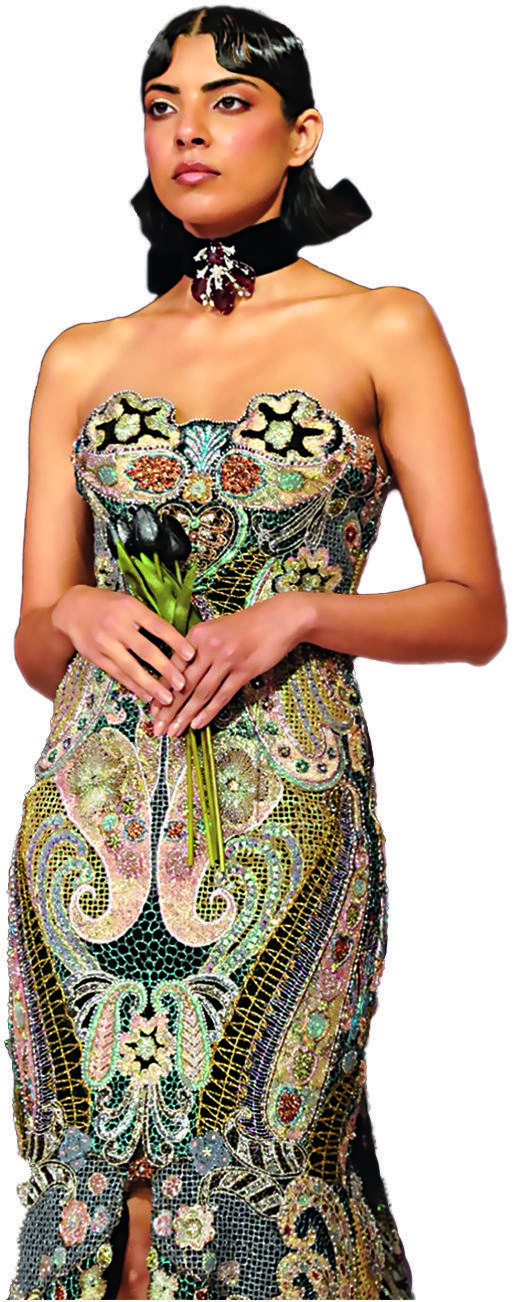
Indian Couture Turns Heritage Into A Contemporary Luxury Language

Tarun Tahiliani Creates Wedding-Ready Luxury Watches for Nebula

GIVA Withdraws Kriti Sanon Raksha Bandhan Ad After Backlash

Fashion Houses Transform Luxury Real Estate Through Branded Residences

Moss Green Takes Over as Fashion's New Neutral

Lily Collins' Emily in Paris Season 5 Wardrobe Costs Rs 37 Lakh
