1 week ago
Indian Couture Turns Heritage Into A Contemporary Luxury Language

Indian designers are using their own country’s crafts to make modern clothes.
They are working with techniques such as mirror work, appliqué and Banarasi brocade.
Aisha Rao believes traditions can change without losing where they came from.
She has also used materials made from leftover textile pieces and threads.
Arpita Mehta says clothes can carry memories of families, festivals and celebrations.
She believes handmade work is special because it takes time and skill.
The article says Indian crafts should keep their names and stories when they become popular around the world.
The designers are not against global fashion, but they do not think Indian fashion must become less Indian to succeed.
They believe the future of luxury can begin with Indian textiles, artisans and traditions.

Indian designers are drawing on textiles, crafts, regional histories and inherited techniques to define contemporary couture.
Aisha Rao is adapting appliqué, Banarasi brocade and materials such as BioResham and BioBadla into new designs.
The article argues that Indian techniques should retain their names, histories, geographic identities and connections to artisans when used globally.
Arpita Mehta links mirror work and clothing to memory, family, festivals and rituals while bringing them into contemporary silhouettes.
Both designers present evolving heritage, transparency and skilled handwork as important forms of luxury.
- Who
- Indian designers Aisha Rao and Arpita Mehta, along with the artisans and communities connected to Indian craft traditions.
- What
- A discussion of how Indian couture is redefining luxury by combining heritage techniques with contemporary design while preserving their cultural identity.
- Where
- New Delhi, India.
- When
- As Indian Couture Week opens; no specific date is provided.
- Why
- Designers are seeking to establish Indian craft as a source of luxury in its own right and to address concerns about cultural credit, transparency and the loss of craft identities.
Cultural specificity and attribution
Global adaptation and exchange
How Indian craft should travel
Cultural specificity and attribution
Indian techniques should retain their names, histories, geographic identities and links to the artisans who sustain them; relabeling them as other regional or global aesthetics can erase their origins.
Global adaptation and exchange
Indian designers can allow their work and techniques to enter global fashion, provided their identity travels with them rather than being removed.
Tradition and change
Cultural specificity and attribution
Heritage should remain connected to the communities, memories and practices that gave it meaning, including the value of slow, skilled handwork.
Global adaptation and exchange
Tradition does not need to remain unchanged; designers can experiment with new materials, silhouettes and styling to keep techniques relevant and help them evolve.
Key facts
- Event
- Indian Couture Week
- Location
- New Delhi
- Featured designers
- Aisha Rao and Arpita Mehta
- Craft techniques
- Banarasi brocade, mirror work, sheesha embroidery and appliqué
- Rao’s collection
- Priyasi
- Experimental materials
- BioResham and BioBadla, developed from textile remnants and thread offcuts
- Emerging luxury value
- Transparency about a garment’s origin, maker, materials and purpose
Quotes

Arpita Mehta
Fashion designer discussing the value of handcraft and inherited techniques.
“There is something incredibly special about knowing that a piece has been created slowly, with skill, patience and an understanding of a technique that may have been passed down through generations.”
 deccanchronicle.com
“If we can make someone fall in love with a traditional technique through a contemporary silhouette or a new way of styling it, then I think we’re helping that craft continue to live and evolve.”
deccanchronicle.com
Sources
Related news
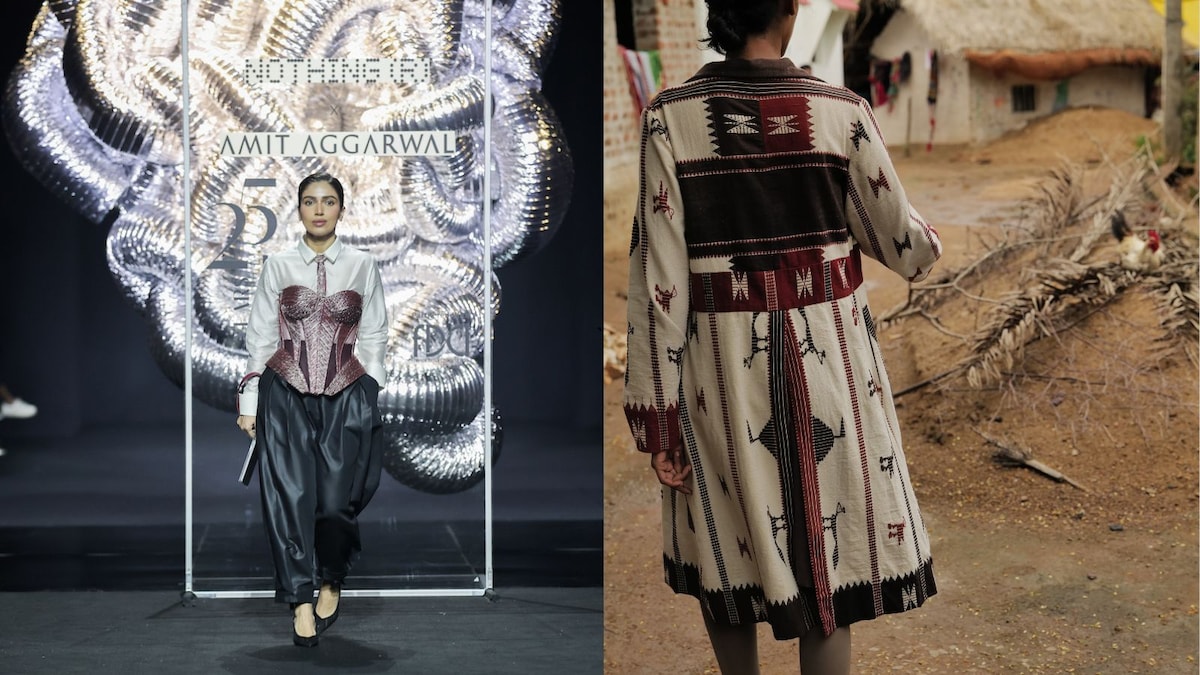
Indian Designers Turn Heritage Weaves Into Contemporary Luxury

Handloom Doesn't Need Revival, It Needs Recognition, Designer Says

Preserving India's Handloom Heritage Through Timeless Craftsmanship

Amit Aggarwal Reimagines Traditional Chikankari Through Contemporary Couture

Natasha Poonawalla Revives 24-Year-Old Versace with Indian Craftsmanship

Mandana Karimi Says Six-Year Stalking Continues After Dubai Move

Karnataka Accelerates Rooftop Solar Projects for Government Buildings

Celebrities Replace Dupattas With Glamorous Capes In Ethnicwear

GPHG India 2026 Brings Global Watchmaking Spotlight To India