1 week ago
Surat Textile Industry Accepts Workers’ Demands After Labour Unrest
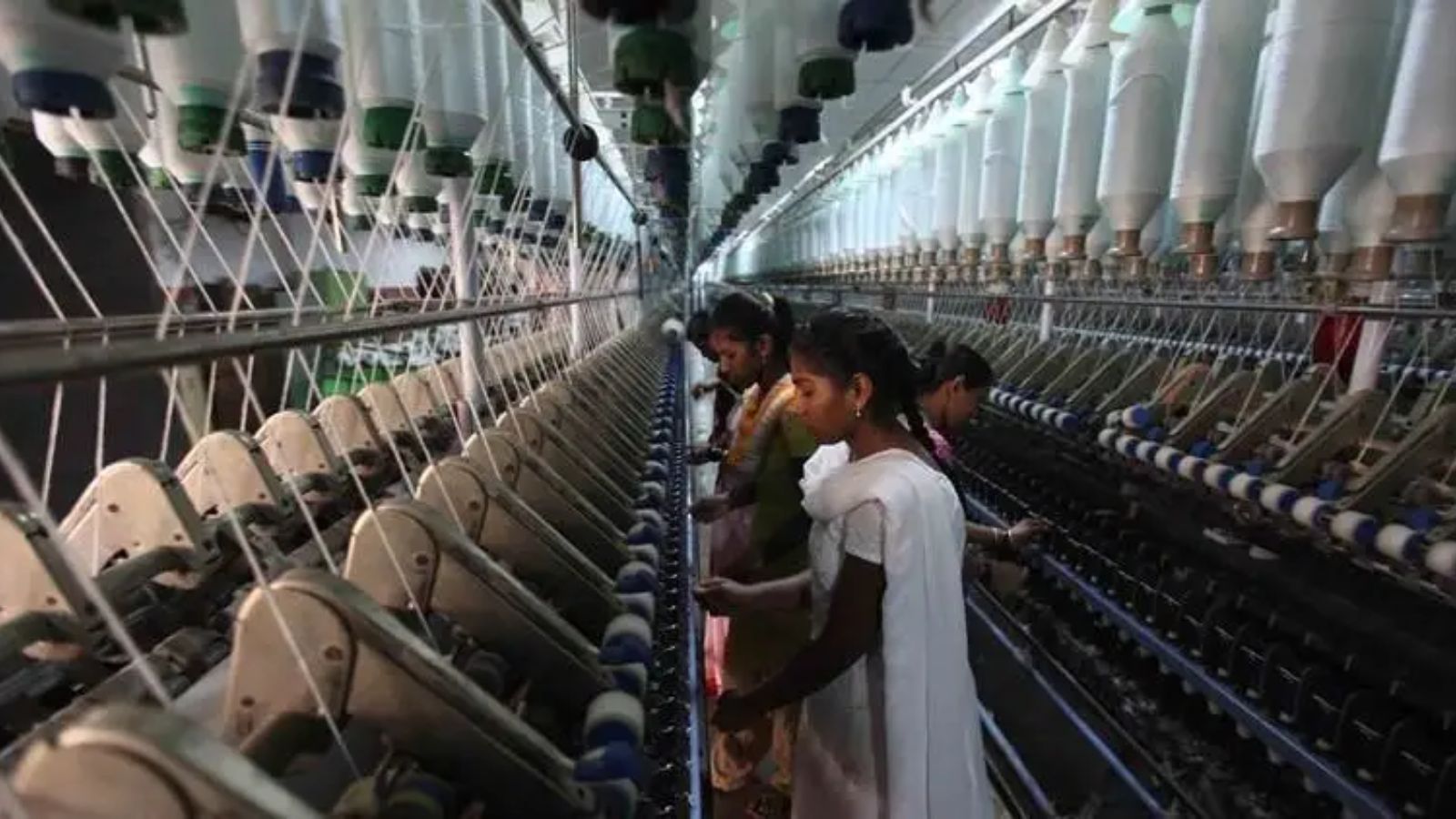
Textile workers in Surat stopped work because they wanted better working conditions.
They asked for a weekly day off, extra pay for working on holidays, salaries during the first week of each month and Diwali bonuses.
They also wanted their daily shifts reduced from 12 hours to eight.
On August 16, workers shut down many embroidery factories in Amroli.
The shutdown led to clashes with police and several criminal complaints.
Eight people were arrested in connection with the unrest.
After meetings with government officials, police and factory owners, most demands were accepted or put up for negotiation.
The owners said they could not agree to eight-hour shifts and wanted workers to continue working 12 hours.
The factories later resumed operations, while police continued patrols.

Textile workers in Surat protested demands including weekly leave, extra off-day pay, timely salaries, Diwali bonuses and shorter shifts.
On August 16, workers allegedly shut down more than 300 embroidery factories in Amroli, triggering clashes with police.
Three FIRs were registered at Amroli police station, and eight people were arrested.
Industrialists agreed to negotiate paid weekly leave, pay for work on off-days, first-week salary payments and Diwali bonuses.
Factory owners said 12-hour shifts would continue, while police increased patrols to prevent further disruption.
- Who
- Textile workers, embroidery-unit owners, the Gujarat labour department and Surat police.
- What
- Workers protested over weekly leave, extra off-day pay, working hours, salary timing and Diwali bonuses; industry representatives later agreed to most demands.
- Where
- Textile and embroidery units in Surat, particularly the Vedant Eco Park and Amroli industrial estate; unrest was also reported in Sachin textile estates.
- When
- The main disruption occurred on August 16; workers resumed duties on August 18, and a follow-up agreement was reached later that week.
- Why
- Workers sought improved pay, leave and working conditions, while industrialists and police sought to restore production and prevent further law-and-order problems.
Workers’ position
Industrialists’ and police position
Working hours and weekly leave
Workers’ position
Workers demanded eight-hour daily shifts and a weekly Sunday holiday or equivalent compensation.
Industrialists’ and police position
Industrialists said eight-hour shifts were not possible and proposed negotiating paid leave or payment for working on off-days.
Method of protest
Workers’ position
Workers used protests and factory shutdowns after, according to a labour department official, lacking a platform to raise grievances.
Industrialists’ and police position
Factory owners and police said forced shutdowns, threats and violence disrupted production and created law-and-order concerns.
Production priorities
Workers’ position
Workers said most of their demands had been met and resumed duties after receiving assurances on leave and other issues.
Industrialists’ and police position
Owners emphasized that pending orders had to be completed on time and supported keeping factories operating; police urged owners to report threats or gatherings.
Key facts
- Main worker demands
- Weekly leave, extra wages for working on off-days, eight-hour shifts, first-week salary payments and Diwali bonuses.
- Factories affected
- More than 300 factories were reportedly forcibly shut in the Amroli area, according to an FIR.
- Meeting attendance
- Around 400 textile industrialists met with state labour officials and police representatives.
- Agreed measures
- Owners agreed to negotiate paid weekly leave or payment for off-day work, first-week salary payments and Diwali bonuses.
- Unresolved issue
- Industry representatives said eight-hour shifts were not possible and that workers would have to continue working 12 hours.
- Police action
- Three FIRs were registered at Amroli police station and eight people were arrested.
- Current status
- The industries were reported to be operating at full strength, with police patrols in industrial and sensitive areas.
Quotes
Amroli police inspector J B Vanar
The Amroli police inspector overseeing the response to the unrest
“In these three offences, we have arrested eight accused. We are also looking for others. After the offence and arrest procedures were completed, no other untoward incidents occurred. The industries are currently operating at full strength.”
 indianexpress.com
“We are ready to make a compromise with the labourers and act on their demands.”
indianexpress.com
Unnamed labour department official
A state labour department official involved in discussions with workers and industrialists
“After the meeting, we realised that finding no platform to air their grievances, they resorted to social media to convey the message to the unit owners.”
indianexpress.com
Sources
Related news
Surat Weaving Factories Plan Two Weekly Shutdown Days
Noida Protest Arrests, Bail Orders and Vande Mataram Debate

BMS to protest in Nagpur over workers' demands

Trade Unions Call for 'Jail Bharo' Protests Against Modi Government
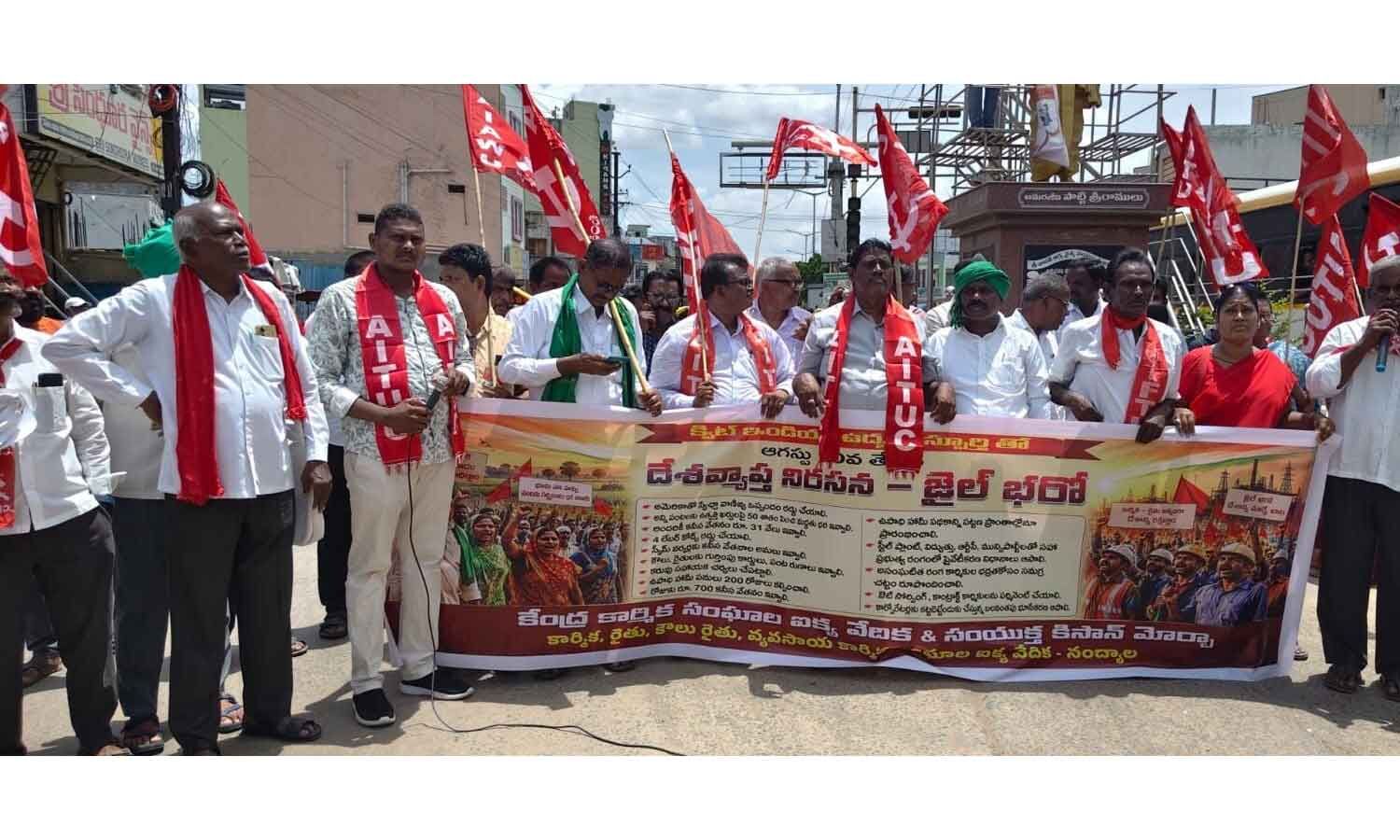
Trade unions and farmers hold 'Jail Bharo' protest in Nandyal
Why Tamil Nadu Factories Endanger Migrant Workers

Mirzapur: The Movie Sells Over One Lakh Advance Tickets
Modi’s Frugality Appeal Contrasts With Extensive Foreign Travel
Modi Calls for Collaborative Roadmap to Secure India’s Water Future

Gujarat Congress Seeks Drought Relief as Rainfall Deficits Persist
ED Raids 12 Locations Across Four States in Parimatch Probe