2 days ago
Why Tamil Nadu Factories Endanger Migrant Workers
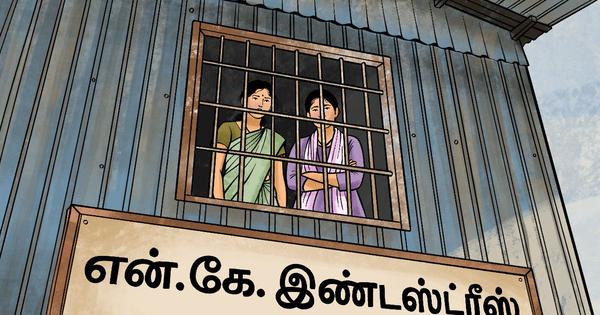
Many migrant workers travel to Tamil Nadu to find jobs.
Some companies make them live inside or next to the factories where they work.
This can be dangerous because the buildings may be crowded and close to machines or harmful chemicals.
In June, poisonous ammonia leaked at a seafood factory in Tiruvallur.
Eighteen women died and nearly 70 people were taken to hospitals.
Many victims came from tribal communities in other states.
Helpers said it was difficult to find their families because worker records were incomplete and officials restricted access.
Workers also described low pay, unsafe tasks and having to pay for some protective equipment.
They said the jobs were still important because they earned more than they could at home.

An ammonia leak at a Tiruvallur seafood plant killed 18 migrant women and hospitalised nearly 70 workers.
Most victims were Adivasis, including 14 women from Odisha’s Juang community, a particularly vulnerable tribal group.
Investigators and activists say workers are often housed inside or beside factories in overcrowded, unsafe accommodation.
Workers and activists reported unregistered employment, low wages, withheld information, inadequate safety equipment and limited access to authorities.
Company directors called the Tiruvallur incident an accident, while activists argued that unsafe conditions and weak oversight contributed to the deaths.
- Who
- Migrant workers, especially women and Adivasi workers from Odisha, Assam and Jharkhand; the seafood company’s directors, government authorities and worker-rights activists were involved.
- What
- An ammonia leak killed 18 workers and hospitalised nearly 70 at a seafood processing plant; the incident highlighted broader safety and housing risks for migrant workers in Tamil Nadu.
- Where
- At St Peter and Paul’s Sea Food and Exports in Tiruvallur district, Tamil Nadu, and at other industrial sites around Chennai and Tiruvallur.
- When
- The ammonia leak occurred at around 10:40 a.m. on June 21; the article also describes investigations and worker conditions in the following weeks and months.
- Why
- Activists attributed the risks to workers being housed in or near factories, inadequate safety standards, incomplete registration, weak oversight and restricted access to help.
Activists and Worker Advocates
Company and Worker Perspectives
Cause of the Tiruvallur deaths
Activists and Worker Advocates
Activists argued that faulty infrastructure, unsafe housing and inadequate protection exposed workers to preventable danger and amounted to negligence.
Company and Worker Perspectives
The company directors described the ammonia leak as an accident rather than negligence in their bail application.
Living at the workplace
Activists and Worker Advocates
Researchers and activists said on-site housing can be overcrowded, unsafe and restrictive, potentially increasing workers’ vulnerability to forced labour and preventing them from demanding better conditions.
Company and Worker Perspectives
Some workers said living at the factory was acceptable or convenient because it saved travel time; they mainly requested more toilets, bathrooms or better rooms.
Value of the jobs
Activists and Worker Advocates
Activists said migrant workers are easier to exploit, often receiving lower wages, unpaid overtime and inadequate medical or safety support.
Company and Worker Perspectives
Some workers said they were glad to have employment because they earned more than they would at home, even while acknowledging unfair treatment and unsafe conditions.
Key facts
- Deaths
- 18 workers died after the Tiruvallur ammonia leak.
- Hospitalisations
- Nearly 70 workers were hospitalised, with some remaining in comas for several days.
- Victims’ backgrounds
- Fourteen deceased workers were from Odisha’s Keonjhar district and belonged to the Juang community; other victims came from Adivasi communities in Assam and Jharkhand.
- Migrant population
- The 2011 Census recorded 34.87 lakh people migrating to Tamil Nadu for employment.
- Accommodation law
- Section 16 of the Interstate Migrant Workmen Act, 1979 requires employers to provide and maintain suitable accommodation, but the article says it does not specify building standards.
- Reported wages
- Some workers said they earned about Rs 400 for eight hours, below the article’s stated Tamil Nadu minimum daily wage of around Rs 550.
- Company response in bail application
- The seafood company’s directors described the leak as an accident, said the company had annual turnover of Rs 300 crore and offered Rs 10 lakh per victim.
Quotes
Kiran Kumar
Social worker with Jesuits Migrant Services who advocates for migrant workers.
“When there is some really strenuous or dehumanising work to do, they ask the North Indian workers to do it. The Tamil workers will outright say they won’t do certain jobs. Those are reserved for us.”
 scroll.in
“What we are seeing with migrant labour today is a new urbanised form of bonded labour and enslavement.”
scroll.in
Sources
Related news

Five Odisha Migrant Workers Rescued From Alleged Bondage

Private Players Urged to Provide Housing for Women Guest Workers
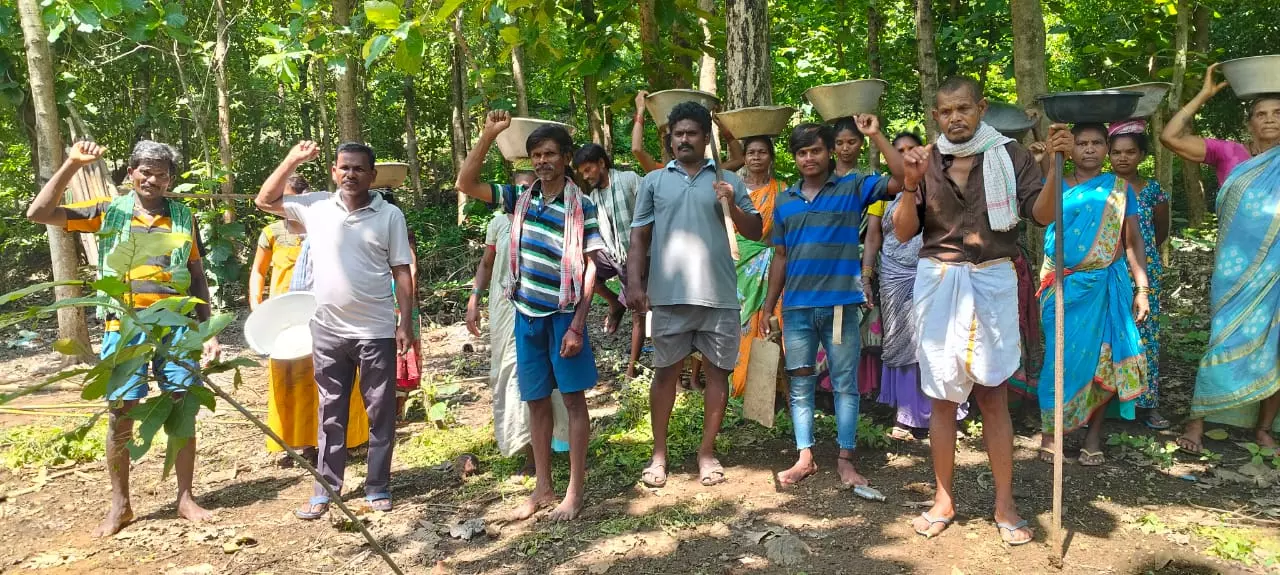
41 Tribal Workers Rescued in Inter-State Bonded Labour Operation

Tamil Nadu urged to support women guest workers beyond factories

Indian Caregiver Killed in Jerusalem; Employer’s Grandson Charged

Migrant Worker Dies After Falling Into Boiling Jaggery Vat

Goyal Defends India’s 7.8% GDP Growth Amid Data Debate

Jefferies Sets Target Prices for Indian Industrial Stocks

Indian Stocks in Focus After Key Corporate Announcements

Edelweiss Large & Mid Cap Fund Bets on Next Cycle
Mumbai Monorail Restart Awaits IIT Bombay Safety Recommendation