

1 day ago
Delhi Keeps BRICS Focused on Practical Cooperation
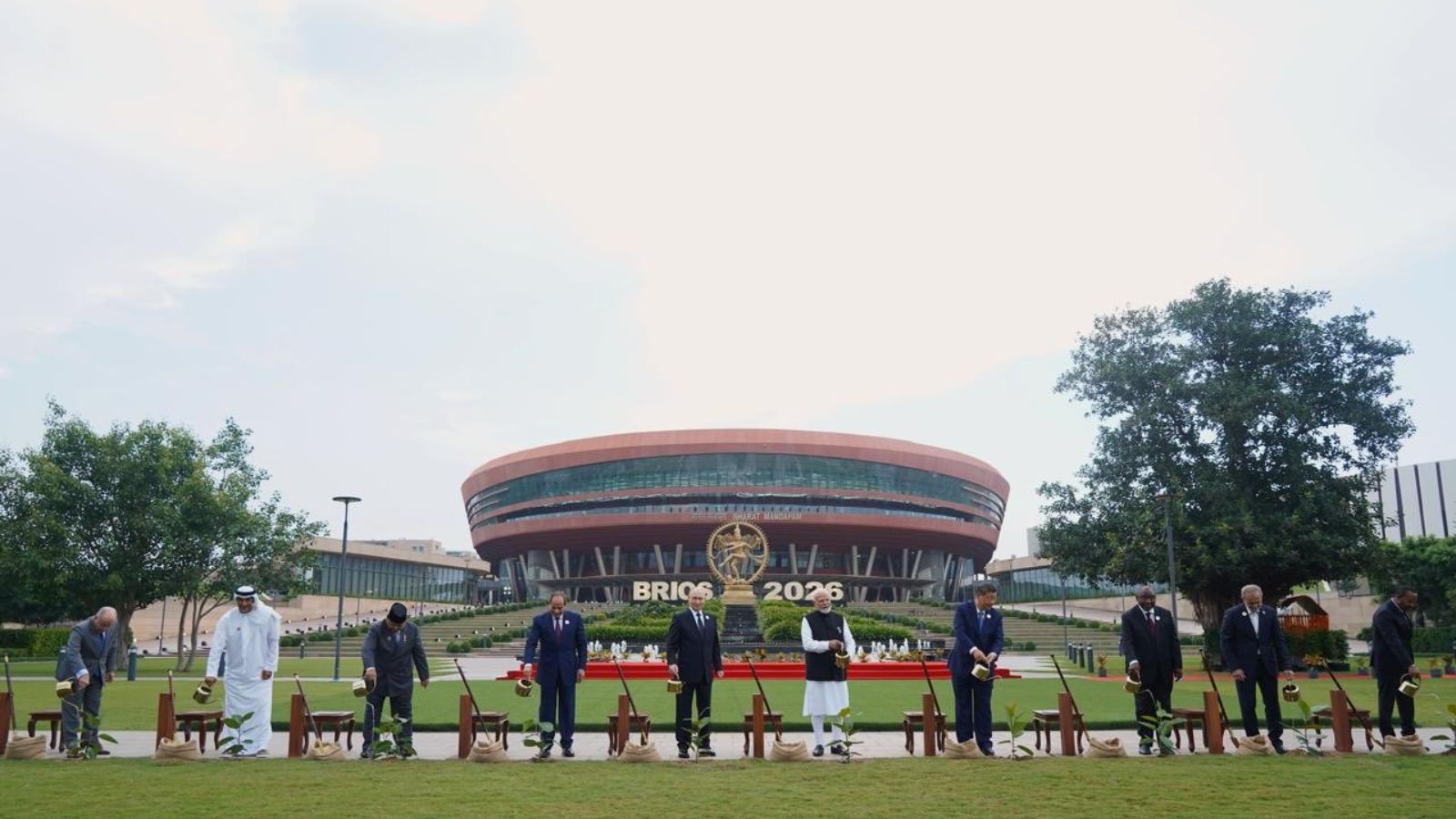
India hosted a BRICS meeting during a time of conflict and economic uncertainty.
Some people want BRICS to become a strong group opposing the United States and other Western countries.
India pushed the group in a different direction.
It supported practical cooperation instead of an ideological fight.
Members criticized sanctions, tariffs and protectionism, but they did not create a united political front against the West.
They also discussed making international payments faster and cheaper.
The group did not agree to create a shared currency or replace the dollar.
India highlighted digital systems, artificial intelligence training and other development issues.
The meeting showed that BRICS members still disagree on many matters, but they can continue talking and working together.

India steered the Delhi BRICS Summit away from becoming an ideological bloc against the United States and West.
The declaration criticized unilateral sanctions, tariffs and protectionism while calling for reform rather than destruction of the international order.
BRICS members endorsed technical work on faster, cheaper cross-border payments but avoided a common currency and decisive de-dollarisation steps.
The summit emphasized supply chains, health, food security, climate adaptation, digital systems, small enterprises and development finance.
The declaration’s broad scope reflects BRICS’ ambitions but also its institutional weakness and unresolved tensions among members.
- Who
- India and the other BRICS members, including Russia, China and Iran.
- What
- The Delhi BRICS Summit produced a broad declaration emphasizing practical cooperation, global reform and technical financial coordination rather than an anti-Western political bloc.
- Where
- Delhi, India.
- When
- At the Delhi BRICS Summit; the articles do not provide a specific date.
- Why
- India sought to preserve BRICS as a pluralistic forum for cooperation while avoiding confrontation with the United States and the West.
Practical, Pluralistic Forum
Geopolitical Counterweight
BRICS’ strategic purpose
Practical, Pluralistic Forum
India’s approach is to keep BRICS focused on practical cooperation and reforming the international order without turning it into an anti-Western alliance.
Geopolitical Counterweight
Some BRICS supporters want the forum to become a stronger geopolitical force challenging American dominance and Western influence.
De-dollarisation
Practical, Pluralistic Forum
India favors technical efforts to make cross-border payments faster, cheaper and more reliable, while preserving members’ flexibility and avoiding a common currency.
Geopolitical Counterweight
Russia and China have reasons to seek alternatives to dollar-centered financial channels, with Russia facing sanctions and China seeking to reduce exposure to American financial power.
Value of the broad declaration
Practical, Pluralistic Forum
The declaration’s breadth allows countries with different interests to express concerns, maintain dialogue and avoid an ideological straitjacket.
Geopolitical Counterweight
Its wide-ranging coverage can make BRICS appear institutionally weak, producing a catalogue of global problems rather than a sharply focused political document.
Key facts
- Forum
- BRICS
- Host
- India
- Declaration
- The New Delhi Declaration
- Payment policy
- Support for faster, cheaper and more reliable cross-border payments
- Common currency
- The declaration avoided endorsing a common BRICS currency
- Key priorities
- Supply chains, health, food security, climate adaptation, digital systems and development finance
- Institutional challenge
- The declaration covers many issues but also highlights BRICS’ limited institutional sharpness
Sources
Related news
Delhi BRICS Summit Tests India’s Balancing Act Among Rival Powers
India Faces Strategic Test As BRICS Summit Opens In Delhi
BRICS Summit Reaches Consensus Amid Global Tensions
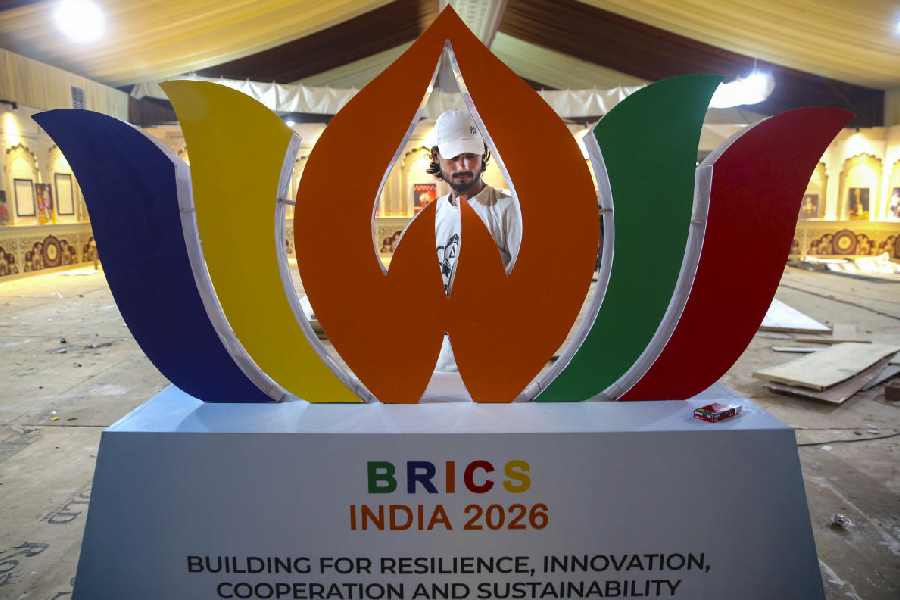
India’s BRICS Tightrope Tests Its Broader Multi-Alignment Strategy
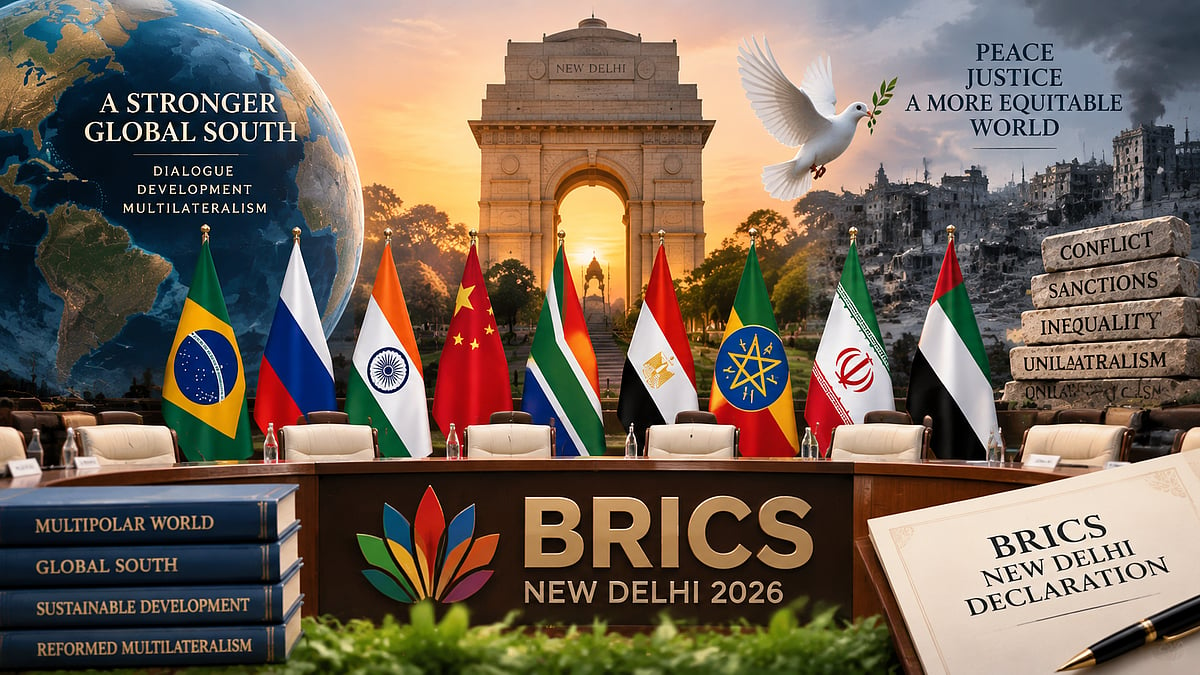
BRICS Declaration Balances Rivalries While Elevating Global South
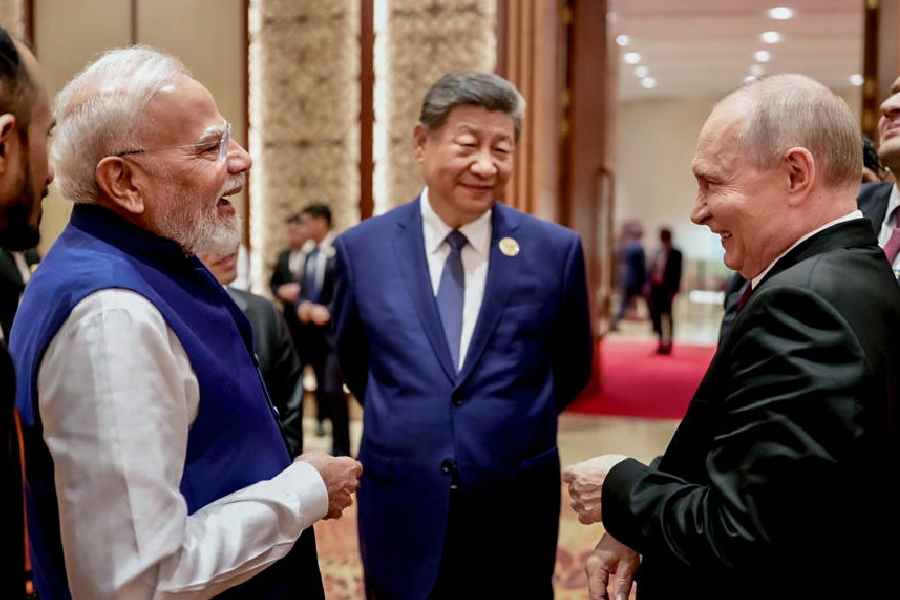
India Balances Ties With Rivals Amid Global Turmoil
Amit Shah Ends Mumbai Press Meet After Off-Topic Questions
Veterans Question Silence on Ladakh Territorial Restoration Talks
China To Host 2027 BRICS Summit As Modi Seeks Results
