1 hr ago
Tamil Nadu Resists Hindi Policy in Navodaya School Dispute
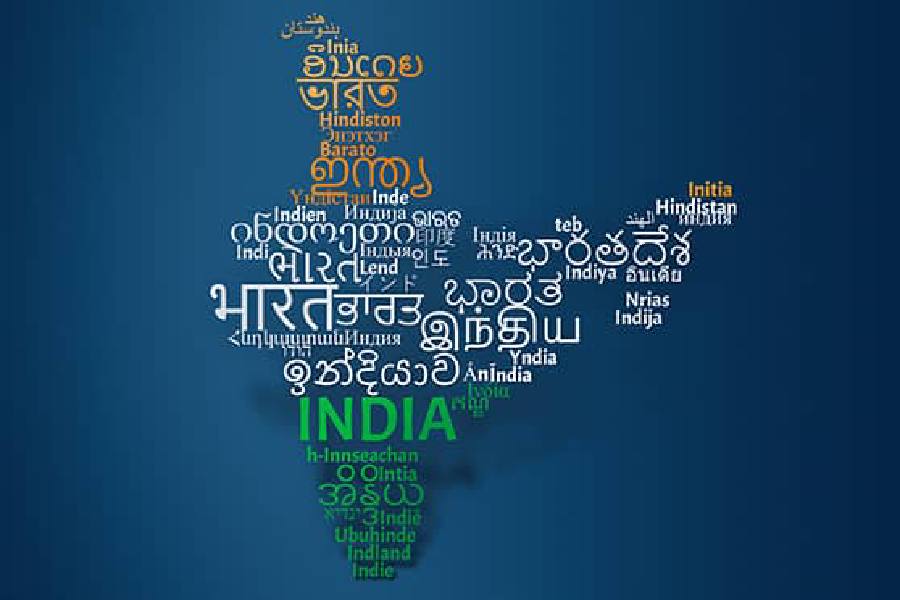
Tamil Nadu does not want Hindi taught through a central government school program.
The program is called Jawahar Navodaya Vidyalayas and follows a three-language policy.
Tamil Nadu says this policy could bring Hindi into the state indirectly.
The state also says the policy conflicts with its 2006 Tamil language law.
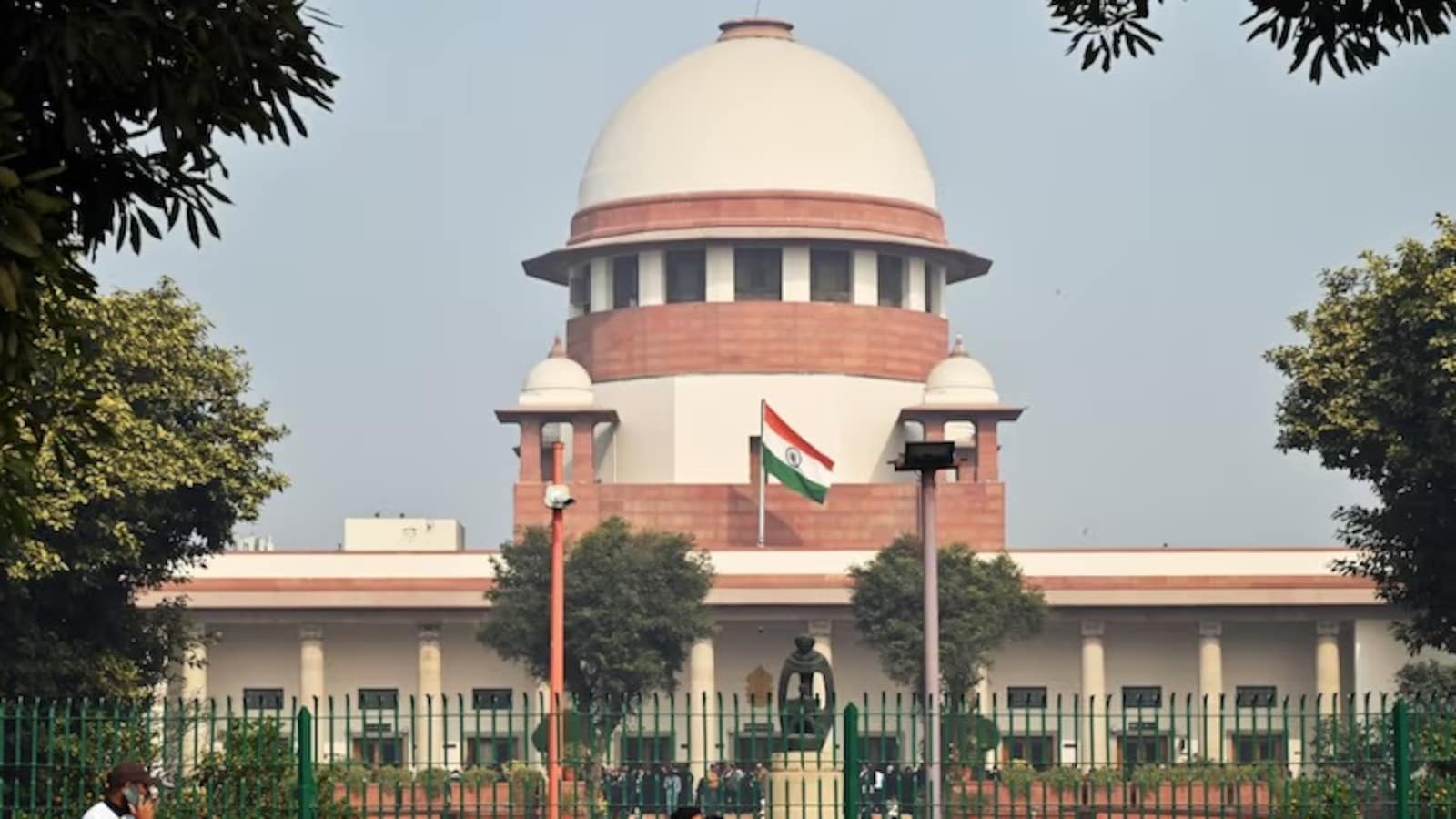
The Supreme Court of India refused the state’s request to stop land from being identified for these schools.
The court said Hindi cannot be completely excluded from Tamil Nadu.
It also said the state and the central government should work together.
The disagreement is about education, language rights, cultural identity and how power should be shared in India.

The Supreme Court of India refused Tamil Nadu’s petition against identifying land for Jawahar Navodaya Vidyalayas.
Tamil Nadu argues that the schools’ three-language policy would introduce Hindi through the “backdoor.”
The court said Hindi cannot be excluded from Tamil Nadu and urged cooperation between the state and Delhi.
Tamil Nadu considers the policy incompatible with the Tamil Nadu Tamil Learning Act, 2006.
The dispute links language choice, education policy, linguistic identity and India’s federal structure.
- Who
- The Tamil Nadu government, the Supreme Court of India, the Madras High Court and the central government are involved.
- What
- A dispute concerns land for Jawahar Navodaya Vidyalayas and their three-language policy, particularly the teaching of Hindi.
- Where
- Tamil Nadu, with the case before the Supreme Court of India and involving the Madras High Court’s order.
- When
- The article does not specify a date for the court proceedings.
- Why
- Tamil Nadu views the three-language policy as incompatible with its language law and as a threat to linguistic identity and autonomy, while the court emphasizes cooperation within India’s federal structure.
Tamil Nadu’s Position
Supreme Court’s Position
Three-language policy
Tamil Nadu’s Position
Tamil Nadu says the policy is a “backdoor” method of introducing Hindi and is fundamentally incompatible with its own language law.
Supreme Court’s Position
The Supreme Court of India says Hindi cannot be excluded from Tamil Nadu.
State autonomy
Tamil Nadu’s Position
Tamil Nadu argues that education is on the concurrent list and that the state can refuse optional central policies it disagrees with.
Supreme Court’s Position
The court did not consider that argument comprehensive enough to prevent the central school policy from applying.
Federal cooperation
Tamil Nadu’s Position
Tamil Nadu emphasizes its own laws, language choices and protection of linguistic autonomy.
Supreme Court’s Position
The court describes federalism as requiring cooperation, warning that the state should not alienate Delhi and vice versa.
Key facts
- Schools involved
- Jawahar Navodaya Vidyalayas
- Policy at issue
- A three-language policy that Tamil Nadu says could introduce Hindi indirectly
- Tamil Nadu law cited
- Tamil Nadu Tamil Learning Act, 2006
- Court action
- The Supreme Court of India refused Tamil Nadu’s petition to withdraw the Madras High Court’s order
- Land request
- The Madras High Court ordered the identification of land in each district for the schools
- State position
- Tamil Nadu considers the policy fundamentally incompatible with its language law and linguistic autonomy
- Court position
- Hindi cannot be excluded from Tamil Nadu, and the state should resolve the issue through dialogue with the central government
Sources
Related news
Supreme Court Rejects Tamil Nadu Plea Over Navodaya Schools

Supreme Court Gives Tamil Nadu Three Months for Navodaya Land

Supreme Court Tells Tamil Nadu Hindi Cannot Be Kept Out
Amit Shah Calls Hindi Link Language, Denies Regional Imposition
Tamil Nadu Language Push Meets Court Relief for Protest Student

Tamil Nadu Assembly Seeks Tamil as Madras High Court Language

NEET SS 2025 Cut-offs Reduced After Supreme Court Order

Supreme Court Grants Interim Protection to Suspended Jubilee Hills CI
Justice Chavan Calls for Autonomy in Maharashtra UCC Process
Election Commissioners Raise 14 Objections Over Poll Panel Decisions