3 hrs ago
Justice Chavan Calls for Autonomy in Maharashtra UCC Process
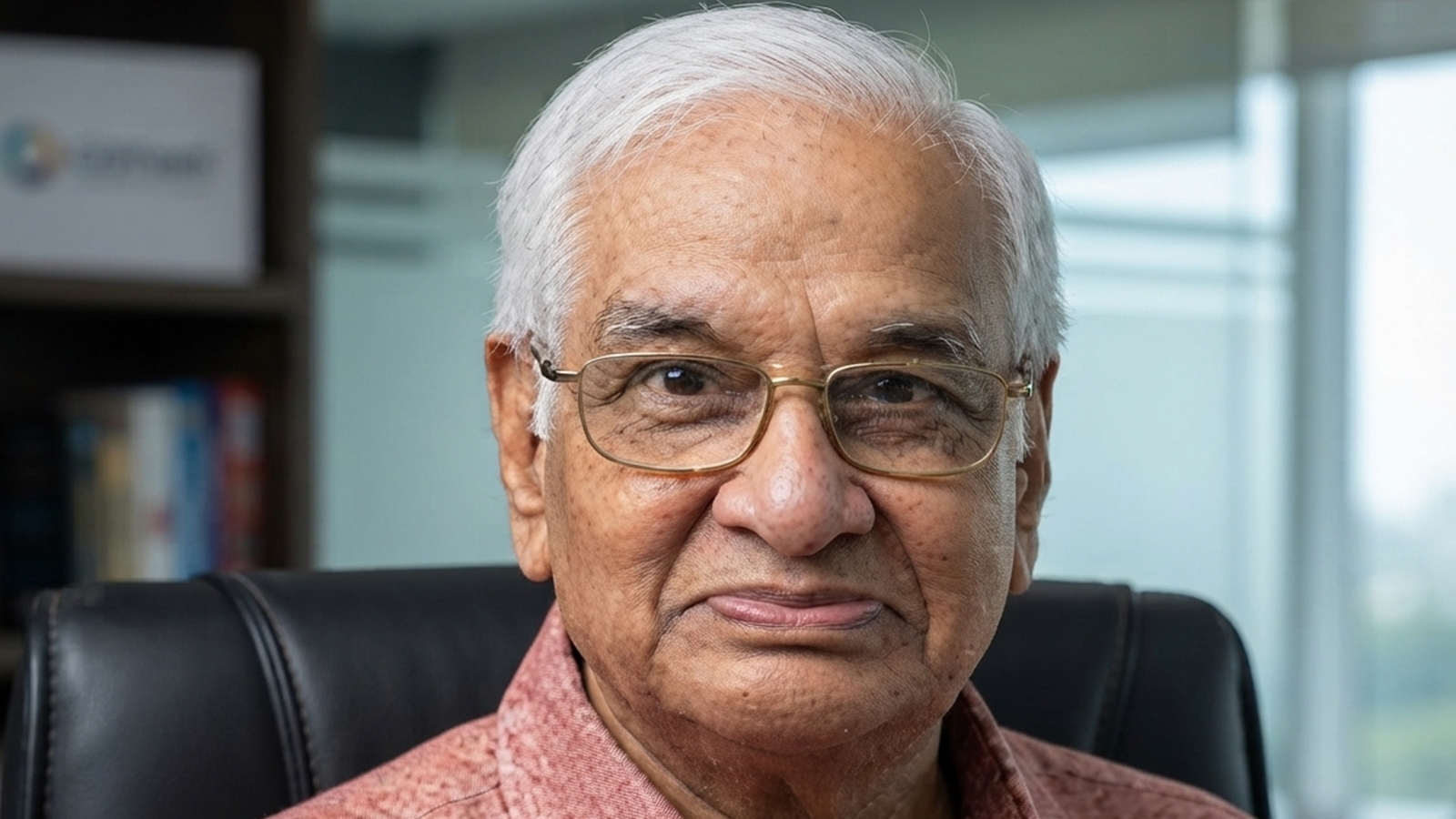
Maharashtra created a committee to study a Uniform Civil Code, or UCC.
A UCC would set common rules for areas such as marriage, divorce, adoption and inheritance.
Justice R C Chavan joined the committee but resigned after two meetings.
He disagreed with how the public would be asked for opinions and how consultations would be organized.
He wanted people to give detailed answers instead of only choosing yes or no.
He also wanted universities and legal services groups to help gather at least 10,000 responses.
Chavan believes adults should have more freedom to decide how their personal relationships work.
He said personal laws could continue where the UCC does not set a rule.

Retired Bombay High Court judge Justice R C Chavan resigned from Maharashtra’s seven-member Uniform Civil Code panel on September 19.
He cited disagreements over the public feedback questionnaire, consultation methods and the participation of a non-member in a meeting.
Chavan said the UCC process should seek broad, researched input, including at least 10,000 public responses and greater participation by younger people.
He argued that consenting adults should have autonomy in defining relationships, with voluntary rather than mandatory registration of live-in relationships.
Chavan said personal laws could coexist with the UCC and called for minimum regulation and government involvement in private lives.
- Who
- Retired Bombay High Court judge Justice R C Chavan and Maharashtra’s seven-member Uniform Civil Code committee, chaired by retired Supreme Court judge Justice Ranjana Desai.
- What
- Chavan resigned from the committee and explained his views on public consultation, personal autonomy and the proposed UCC.
- Where
- Maharashtra; the committee’s proposed consultations were to include divisional headquarters, universities and legal services bodies.
- When
- The committee was formed in July, and Chavan resigned on September 19 after two meetings.
- Why
- Chavan said he disagreed with the finalized questionnaire, the limits of the proposed consultation process and the participation of a non-member in a meeting.
Broader, More Flexible Consultation
Finalized Panel Process
Public feedback format
Broader, More Flexible Consultation
Justice Chavan wanted respondents to provide multiple or longer answers rather than being limited mainly to yes-or-no responses.
Finalized Panel Process
Committee chair Justice Ranjana Desai told members that the circulated questionnaire had been finalized and would be uploaded to the website when ready.
Consultation reach
Broader, More Flexible Consultation
Chavan proposed involving universities and the state legal services authority, engaging younger people and collecting at least 10,000 responses.
Finalized Panel Process
The planned physical meetings, as described by Chavan, focused on divisional headquarters and included political parties, religious leaders and NGOs.
Regulation of personal relationships
Broader, More Flexible Consultation
Chavan argued for minimum regulation, voluntary live-in registration and greater freedom for consenting adults to define relationships.
Finalized Panel Process
The article describes the UCC exercise as addressing family and social matters, but does not provide a detailed opposing position from the committee on these proposals.
Key facts
- Committee
- A seven-member Maharashtra government committee formed to work on the state’s Uniform Civil Code.
- Resignation
- Justice R C Chavan resigned on September 19 after attending two committee meetings.
- Main disagreement
- Chavan objected to the public feedback questionnaire being treated as finalized and to limits on consultation.
- Proposed outreach
- He suggested collecting at least 10,000 responses and involving National Law Universities, state universities and the state legal services authority.
- Personal autonomy
- He said consenting adults should be free to define their relationships without stigmatizing labels.
- Live-in relationships
- He favored voluntary registration, while noting that non-registration could affect access to specified couple-related welfare benefits.
- Legal coexistence
- Chavan said personal laws could continue where the UCC is silent, while UCC provisions could override conflicting rules.
Sources
Related news

Justice RC Chavan Quits Maharashtra UCC Panel Over Questionnaire
NDA Partners Debate Wider Consultation on Uniform Civil Code
Constituent Assembly Debated Uniform Civil Code and Religious Freedom
Amit Shah Sets 2029 UCC Deadline as Maharashtra Delays Consultations

Shiv Sena Backs Uniform Civil Code Push in NDA-Ruled States
Madhya Pradesh Congress Pledges UCC Repeal After 2028 Victory

NEET SS 2025 Cut-offs Reduced After Supreme Court Order
Supreme Court Grants Interim Protection to Suspended Jubilee Hills CI
Tamil Nadu Resists Hindi Policy in Navodaya School Dispute
Election Commissioners Raise 14 Objections Over Poll Panel Decisions