47 mins ago
Amit Shah Calls Hindi Link Language, Denies Regional Imposition
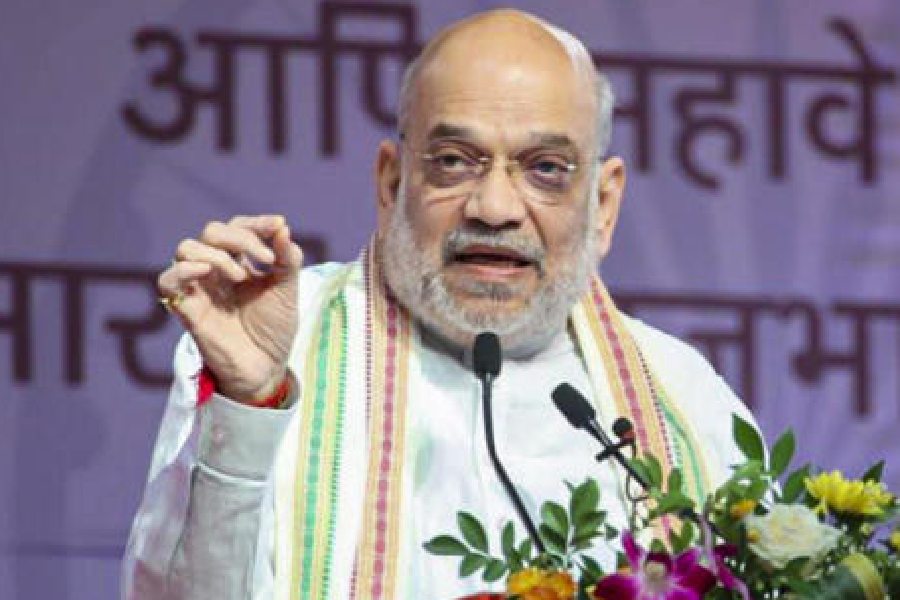
Amit Shah said Hindi can help people from different parts of India communicate.
He said Hindi should not replace regional languages.
He also said all Indian languages should be respected and protected.
Some politicians and language experts disagree with him.
They believe government decisions are giving Hindi too much importance.
They point to Hindi names for new laws and the three-language school policy.
Tamil Nadu and other critics say the policy could pressure states to teach Hindi.
The central government says it is supporting regional languages and not imposing Hindi.
Shah asked families to keep speaking their mother tongues.

Amit Shah said Hindi is a link language, not a competitor to India’s regional languages.
He said Hindi’s growth must accompany the preservation and promotion of all Indian languages.
Critics cited Hindi-named laws, the three-language school formula and Hindi-only official communication as evidence of imposition.
Tamil Nadu and other southern critics oppose the three-language policy, while the Centre denies forcing Hindi.
Shah urged parents to preserve their mother tongues and learn additional languages.
- Who
- Union home minister Amit Shah, along with critics including southern politicians, language experts and some state governments.
- What
- Shah described Hindi as a link language rather than a rival to regional languages and defended the Centre’s language policy.
- Where
- India; the specific venue of Shah’s event is not stated.
- When
- Monday, at a Hindi Diwas event; Hindi Diwas is observed on September 14.
- Why
- Shah sought to reassure people concerned about Hindi domination and promote Hindi as a means of communication and national unity.
Critics of Hindi Expansion
Central Government Position
Hindi as a link language
Critics of Hindi Expansion
Critics such as John Brittas argue that Hindi was never India’s link language and accuse the government of trying to impose it.
Central Government Position
Amit Shah says Hindi helps people from different linguistic backgrounds communicate and strengthens national unity.
Three-language school policy
Critics of Hindi Expansion
Tamil Nadu and other southern critics say the policy is an indirect way to introduce Hindi into schools and have challenged its implementation.
Central Government Position
The Centre denies imposing Hindi and says its policy also promotes regional languages.
Government usage and legislation
Critics of Hindi Expansion
Critics point to Hindi-only correspondence, incentives for Hindi official work and Sanskritised Hindi names for laws as evidence that implementation favours Hindi.
Central Government Position
Shah says Hindi’s development is meaningful only alongside respect, preservation and promotion of all Indian languages.
Key facts
- Speaker
- Amit Shah, India’s Union home minister
- Main claim
- Hindi is an important link among India’s languages, not a competitor to them.
- Policy dispute
- Critics oppose the Centre’s three-language formula, including the teaching of two Indian languages.
- Legal naming
- Several new criminal laws were given Sanskritised Hindi names.
- State criticism
- Tamil Nadu has accused the Centre of withholding Samagra Shiksha Abhiyan grants over the language policy.
- Hindi Diwas
- Observed on September 14 to mark the Constituent Assembly’s 1949 adoption of Hindi as an official language.
- Shah’s appeal
- Parents should speak their mother tongue with their children and learn additional languages.
Quotes

John Brittas
Kerala MP and CPM member criticizing the government’s Hindi policy
“Hindi is not a competitor to any language; rather, it is an important link for fostering a sense of affinity and dialogue among Indian languages and strengthening national unity.”
 telegraphindia.com
“Hindi was never a link language and will never be one. It is just one of the languages. This government is trying all its tactics to impose Hindi in this country....”
telegraphindia.com
Sources
Related news

Amit Shah Says Hindi Must Advance With Other Indian Languages
Leaders Highlight Hindi’s Role in Governance on Hindi Diwas
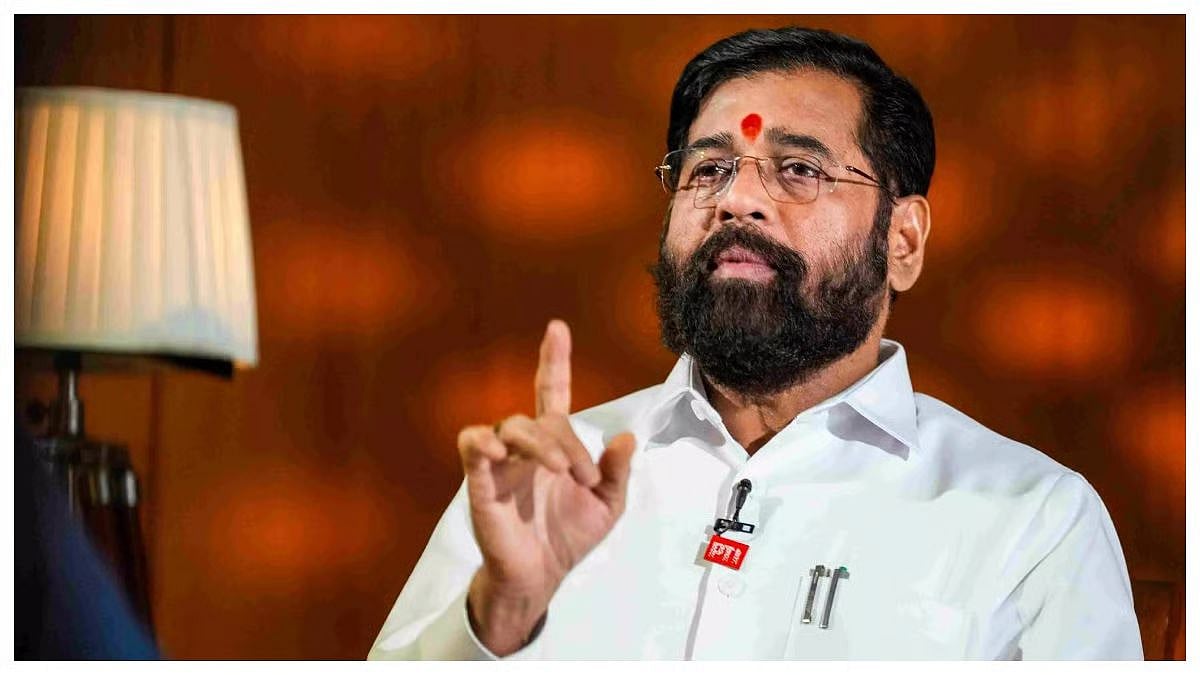
Shinde Says Hindi Complements Regional Languages at Navi Mumbai Event
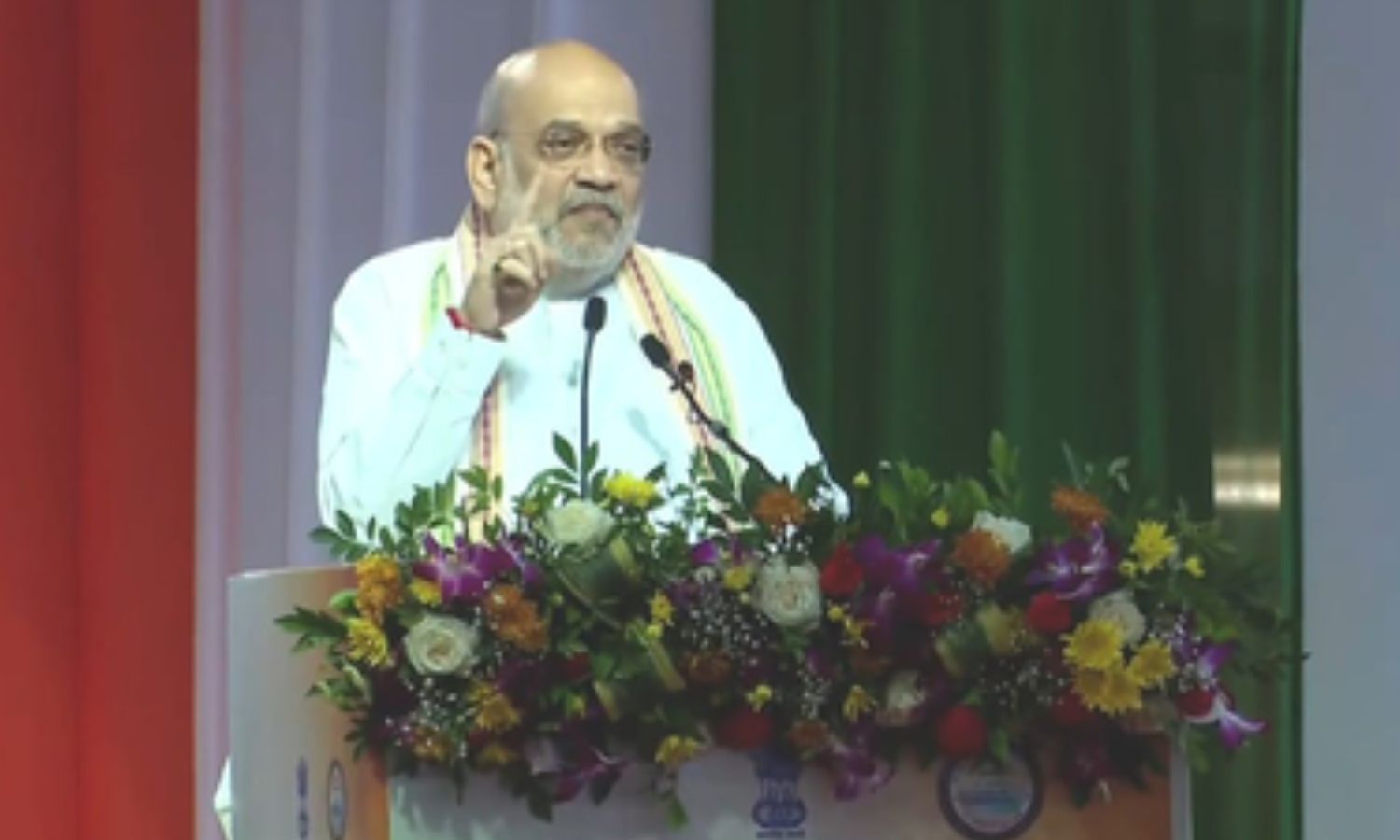
Amit Shah Highlights Hindi’s Role in India’s National Integration

Amit Shah Links Indian Languages With Cultural Nationalism
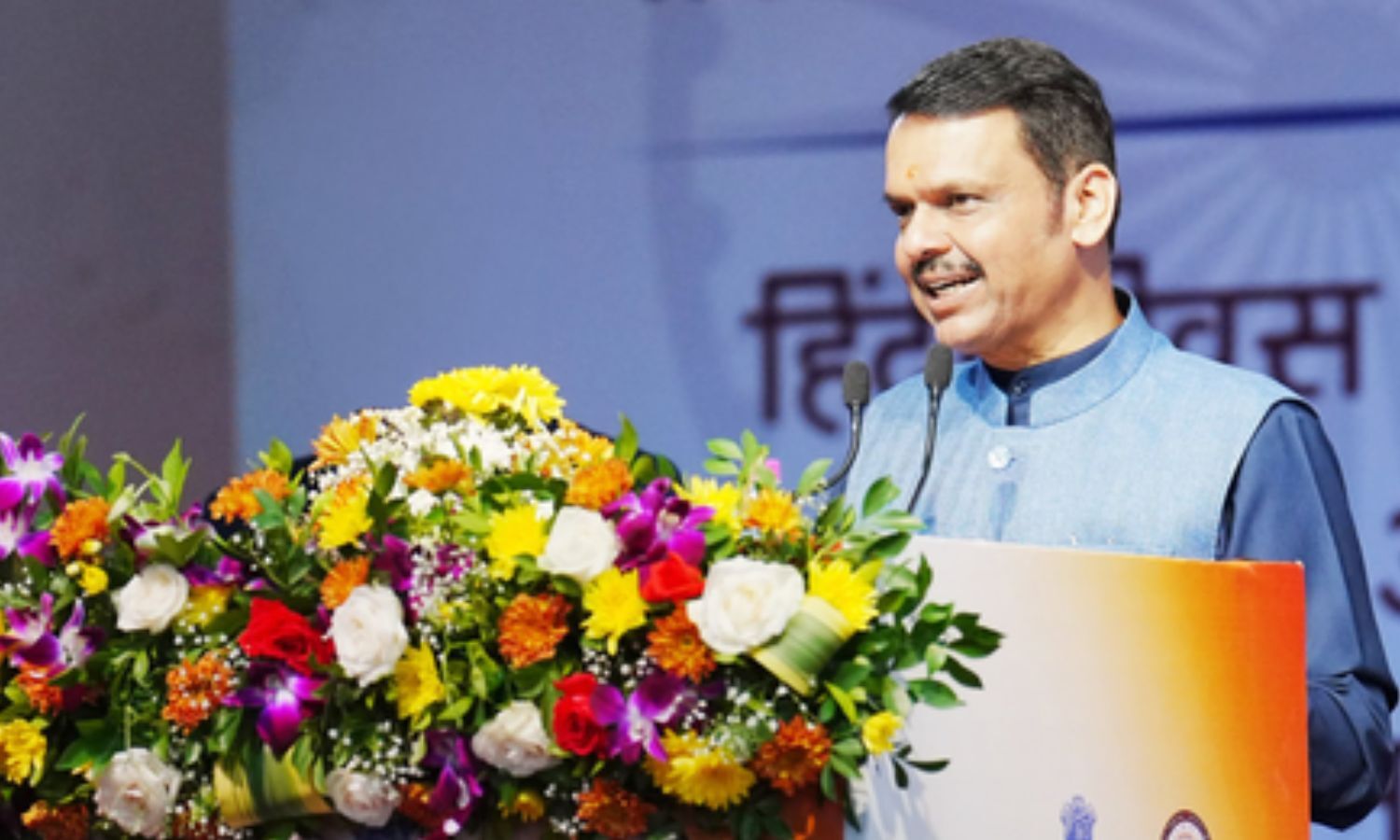
Fadnavis Praises Modi’s Hindi and Regional Language Commitment
Harish Salve Calls for Judicial Reset Over Delays and Accountability
Supreme Court Bars NCDRC President From Sitting Alone
CJI Surya Kant says judicial trust depends on fair process
NCLT Rejects Jet Airways’ Rs 500 Crore Boeing Refund Plea