4 days ago
Quantum Race Targets Secure Communications on Tomorrow’s Battlefield
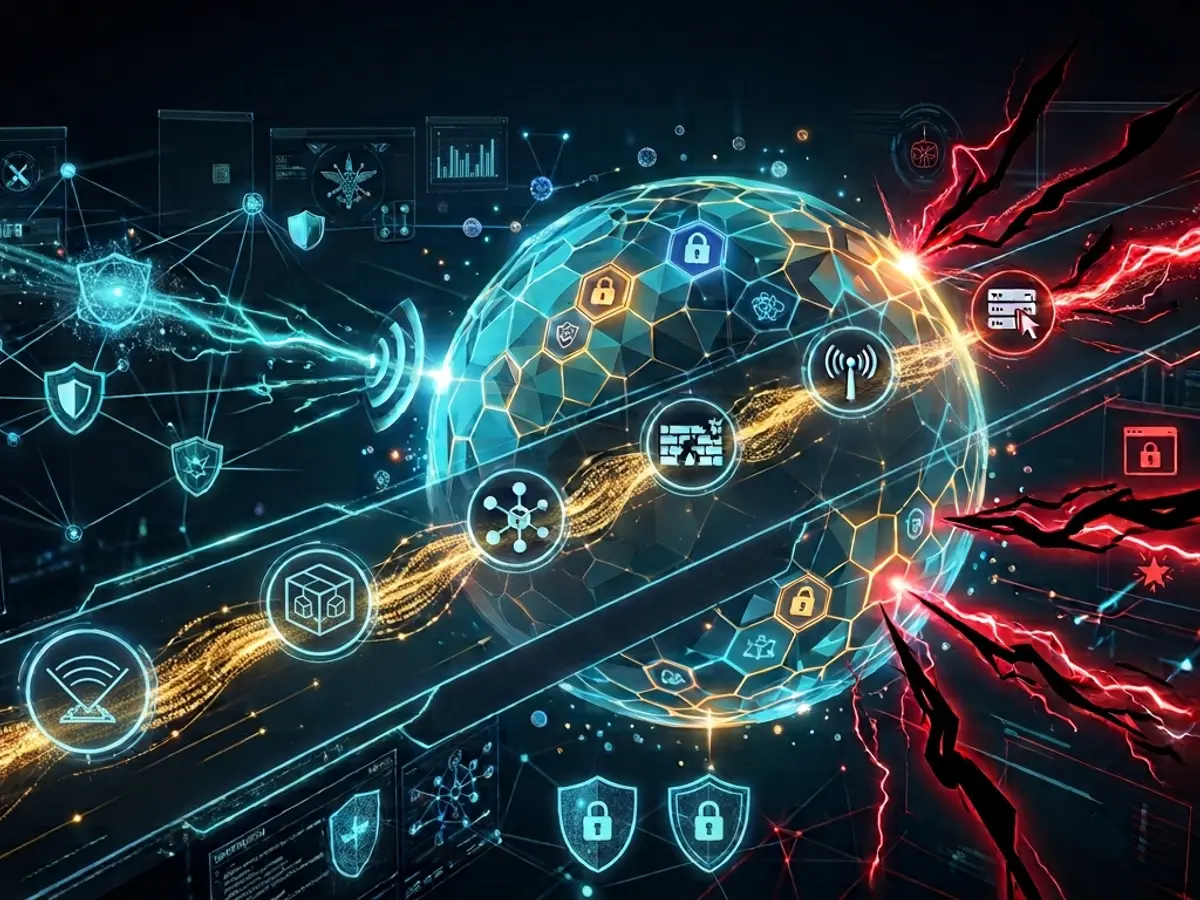
Modern armies use computers, satellites and drones to make decisions quickly.
This connected system is sometimes called a digital kill chain.
Enemies could try to steal messages, jam signals or send false navigation information.
Quantum computers might one day break some of the codes used to protect military data.
Another technology, called Quantum Key Distribution, could help detect when someone tries to listen in.
Quantum sensors might also help military vehicles navigate without satellite signals.
China and the United States are competing in these areas.
India is developing its own systems, including technology tested by the Defence Research and Development Organisation.

Modern military operations depend on satellites, drones, command centres and rapidly transmitted battlefield data.
Digital systems can be weakened by intercepted communications, jamming, spoofed navigation signals and attacks on encrypted networks.
Quantum computing could eventually threaten some existing encryption, while quantum technologies may also strengthen military security.
Quantum Key Distribution can reveal attempted eavesdropping because interference disturbs quantum information.
China, the United States and India are developing quantum communications, navigation, timing and sensing capabilities.
- Who
- China, the United States and India, along with their armed forces and research organisations.
- What
- An international effort to use quantum computing, communications and sensing to attack or protect military digital systems.
- Where
- The article identifies efforts in China, the United States and India but gives no specific testing location.
- When
- The article describes an ongoing race and future battlefield applications.
- Why
- Military operations increasingly rely on networked data, while adversaries can intercept, jam, spoof or manipulate digital systems.
Key facts
- Core vulnerability
- Military communications, navigation signals, frequencies and encrypted networks can be intercepted, jammed, spoofed or targeted.
- Quantum computing risk
- Quantum computing could eventually threaten many forms of encryption used today.
- Quantum Key Distribution
- QKD distributes encryption keys and can reveal interception attempts by detecting disturbances in quantum information.
- Quantum sensing
- Quantum sensors could support precise navigation without relying on vulnerable satellite signals.
- China
- China has invested heavily in quantum communications and sensing research.
- United States
- The United States is pursuing quantum technologies for navigation, timing and military sensing.
- India
- The Defence Research and Development Organisation has conducted field trials of indigenous quantum communication technologies for strategic networks.
Sources
Related news
India Builds Digital Military Networks for Network-Centric Warfare

India hits half its quantum communications target in 3 years

UK Military Drone Cameras Sent Heartbeat Signals to China

UK military drones' Chinese cameras found sending data to Beijing

AI, Quantum Technology to Drive India’s Next-Generation Satellites

India's AI Arms Race Tests Readiness for Future Warfare

Telangana CM Invites Rajnath Singh to Defence Summit

India’s Post-Sindoor Defence Push Targets Networked Future Warfare

India's R&D Ecosystem Faces Hurdles On Path To Knowledge Economy

Pune To Host AWTIS 2026 Technology Innovation Summit

High Court Denies Bail to Wife in Rs 7.8-Crore Fraud