1 hr ago
India's Private Pragya Tokamak Opens A New Fusion Frontier
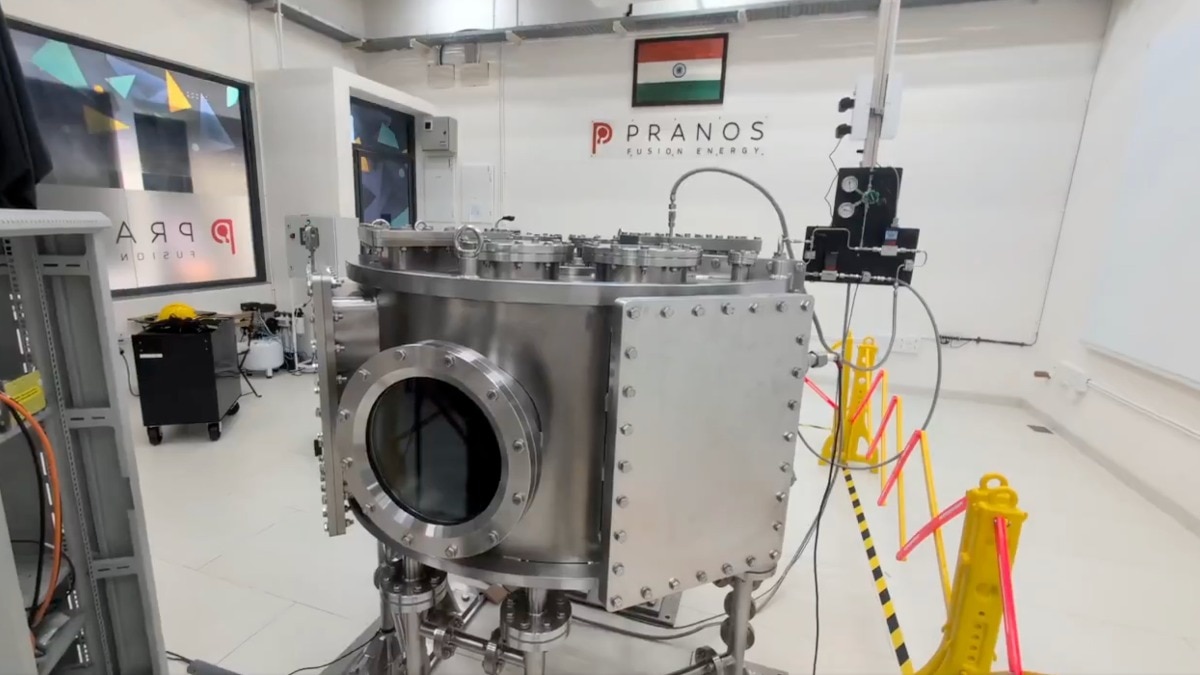
Fusion is a way of joining tiny parts of atoms to release energy, similar to what happens in the Sun.
A tokamak is a doughnut-shaped machine that uses magnets to hold extremely hot plasma in place.
Pranos Fusion has built a smaller tokamak called Pragya.
Pragya will not produce electricity for homes or businesses.
Instead, scientists will use it to test magnets, sensors and ways to control the plasma.
The company hopes to run thousands of experiments each year for nearly 20 years.
Fusion could eventually provide a powerful source of energy with low operating carbon emissions.
However, scientists still need to solve difficult problems involving heat, neutron damage, fuel and reliable operation.

Pranos Fusion says it built Pragya in around eight months as India’s first private fusion machine.
The compact, low-aspect-ratio tokamak is designed as an experimental testbed, not a commercial power reactor.
Pranos plans nearly two decades of operation, targeting 10–12 experimental shots daily, or about 3,000 annually.
Researchers will test plasma control, high-temperature superconducting magnets, diagnostics and other fusion technologies.
Pragya could strengthen India’s private fusion hardware sector, but major challenges remain before commercial fusion power is possible.
- Who
- Pranos Fusion, a private Indian company, is developing Pragya, alongside India’s wider fusion research community.
- What
- Pragya is a compact, low-aspect-ratio tokamak intended to test technologies for future fusion machines.
- Where
- The project is in India; the articles do not specify a city or facility location.
- When
- Pranos says the machine was built in around eight months and plans to operate it for nearly two decades, with about 3,000 experimental shots annually.
- Why
- The machine is intended to advance plasma control, superconducting magnets, diagnostics and other technologies needed for future commercial fusion systems.
Key facts
- Machine
- Pragya, a compact tokamak
- Developer
- Pranos Fusion
- Construction time
- Around eight months, according to Pranos
- Planned operating period
- Nearly two decades
- Targeted experiment rate
- 10–12 shots per day, or about 3,000 annually
- Primary role
- Experimental testbed rather than a commercial fusion power reactor
- Technologies tested
- Plasma control, high-temperature superconducting magnets, plasma diagnostics and related components
Sources
Related news
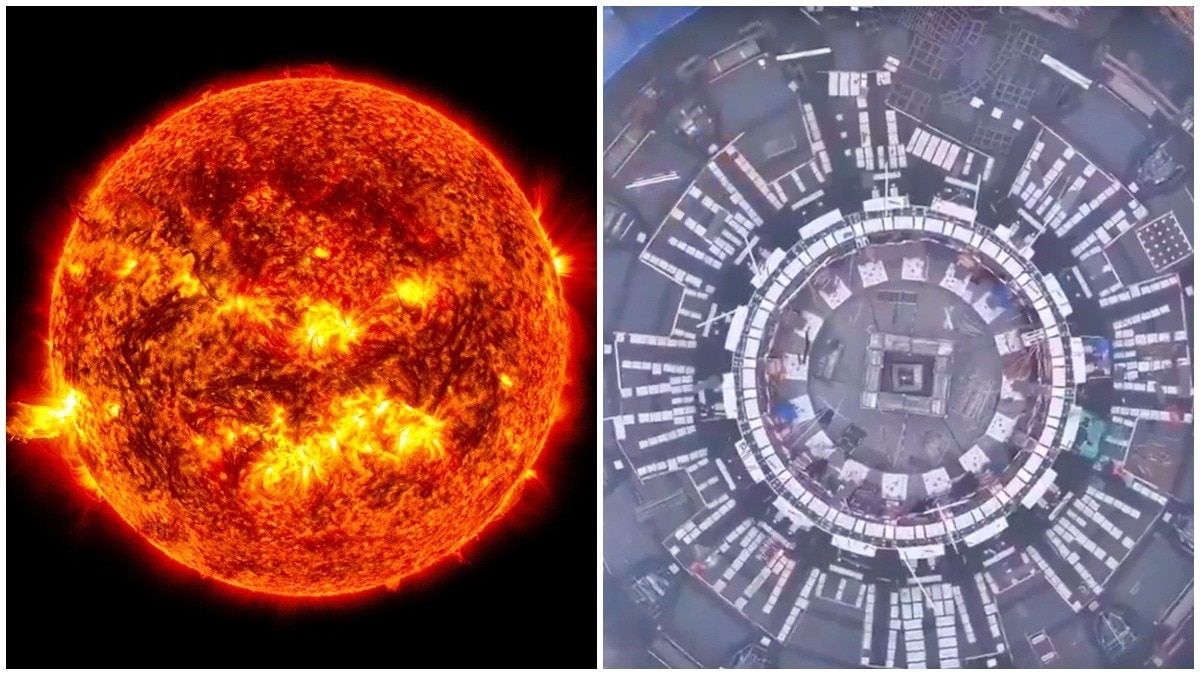
China completes giant 582-tonne magnet for 'artificial sun' fusion

China Completes Record 582-Tonne Magnet for 'Artificial Sun' Fusion Project
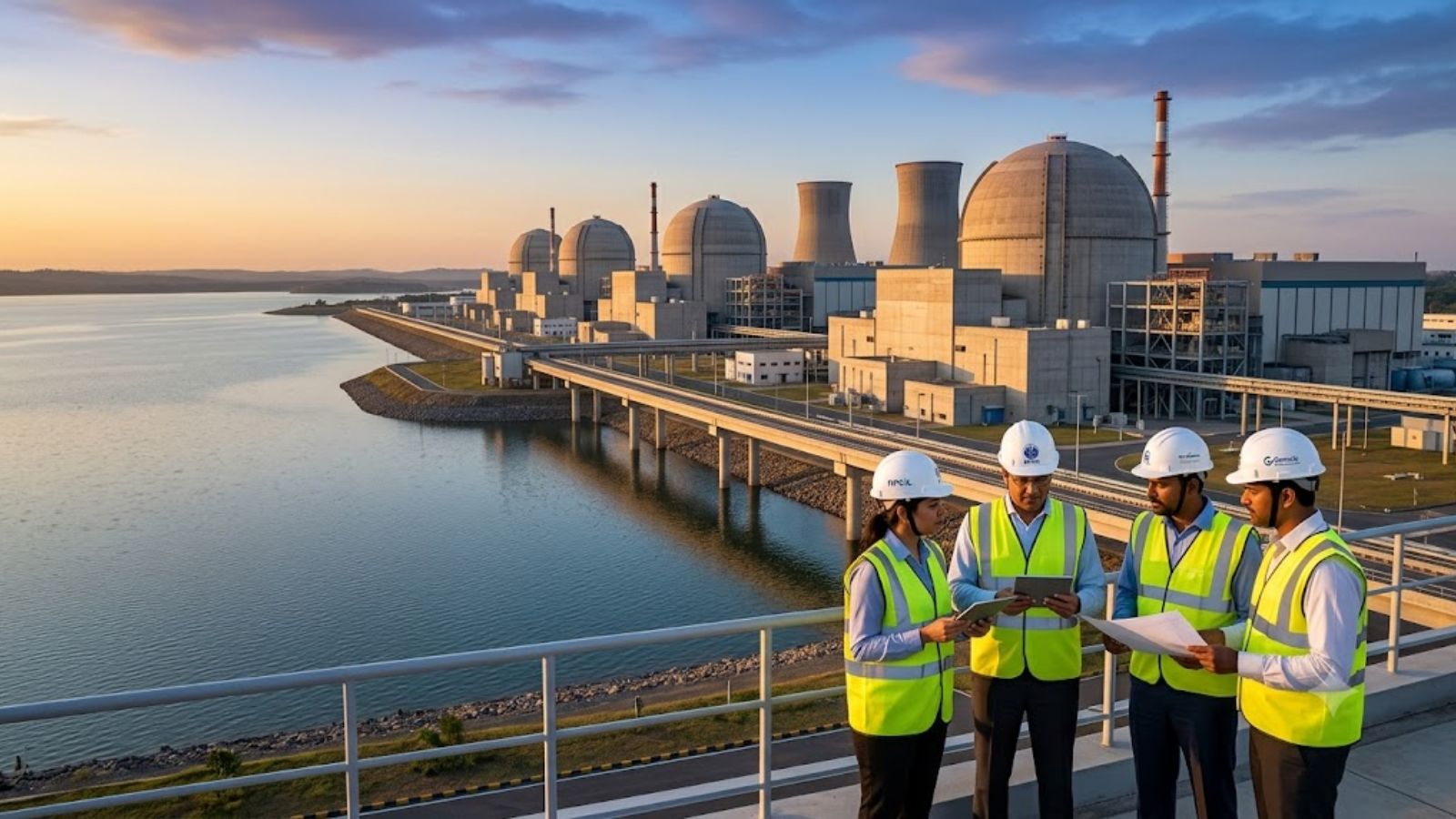
India's Private Nuclear Entrants Favor Indigenous Heavy Water Reactors
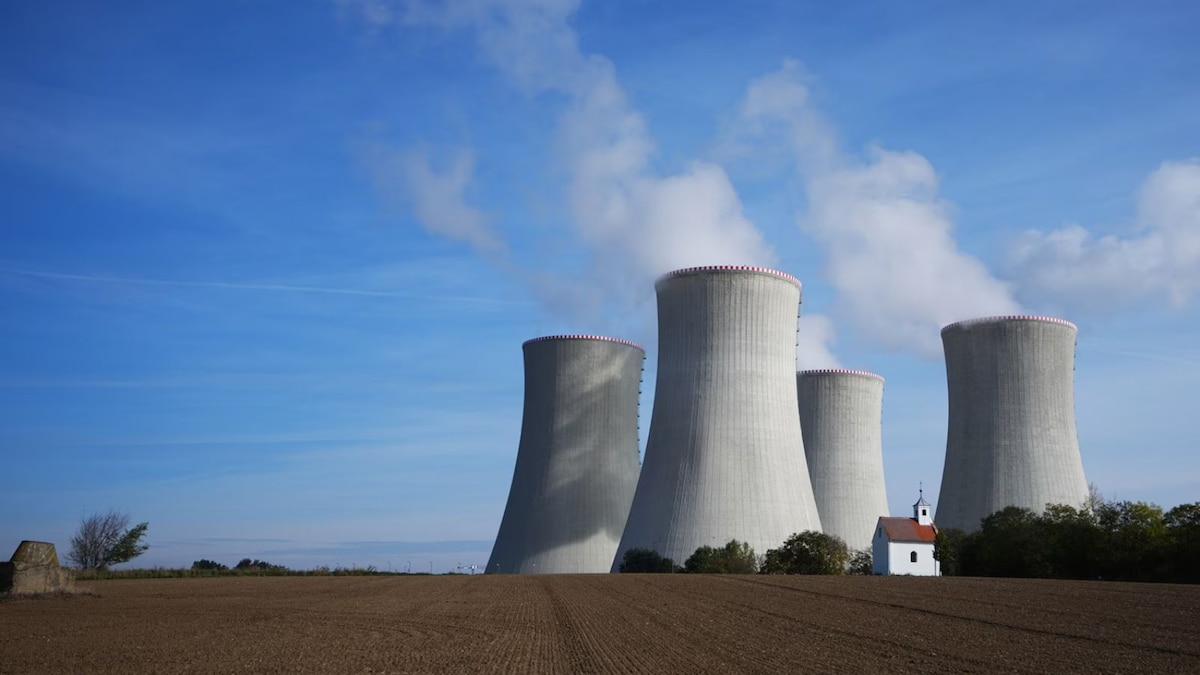
India opens nuclear sector to foreign technology under strict oversight
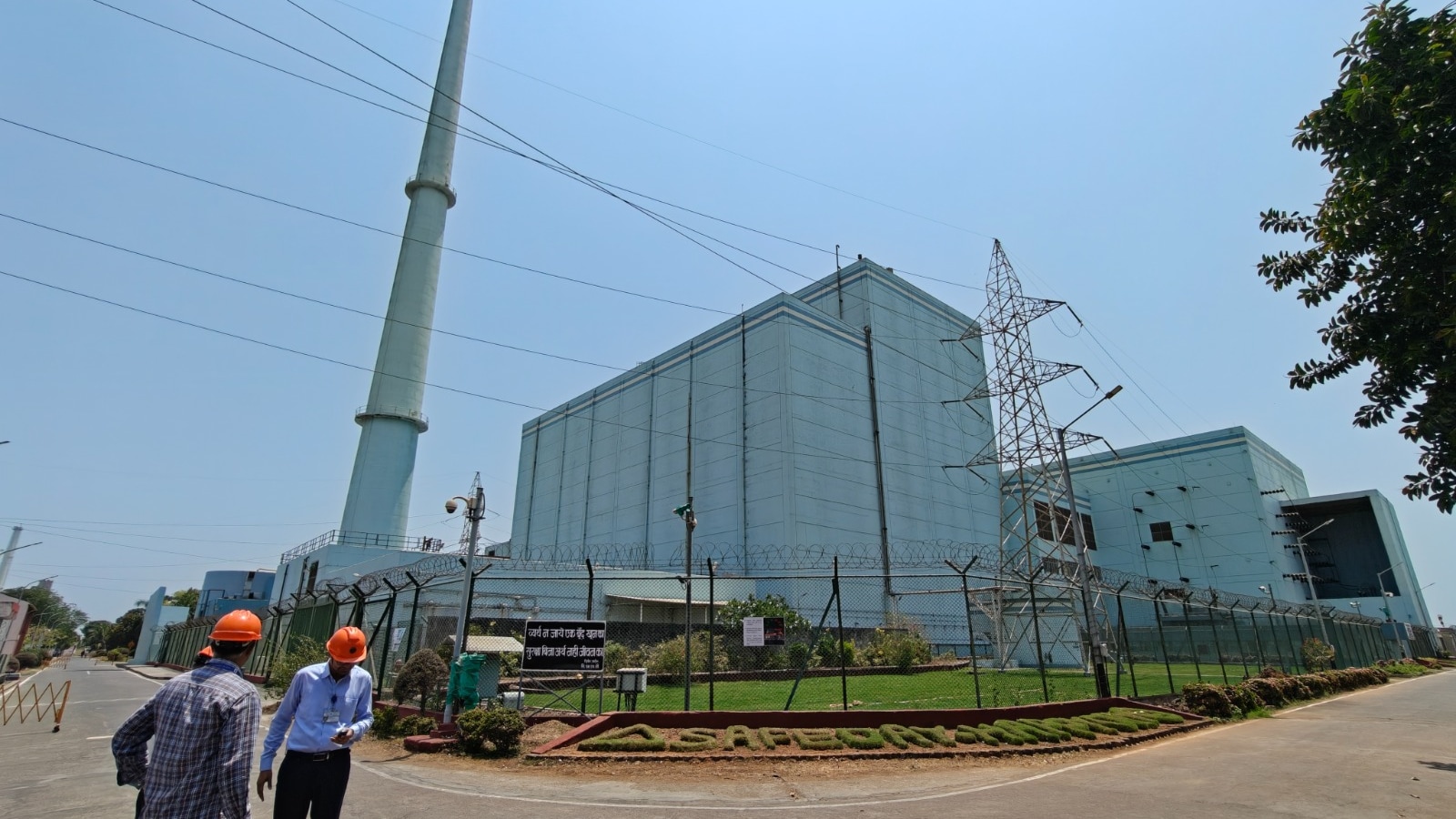
India’s 57-Year-Old Tarapur Reactor Prepares for More Years
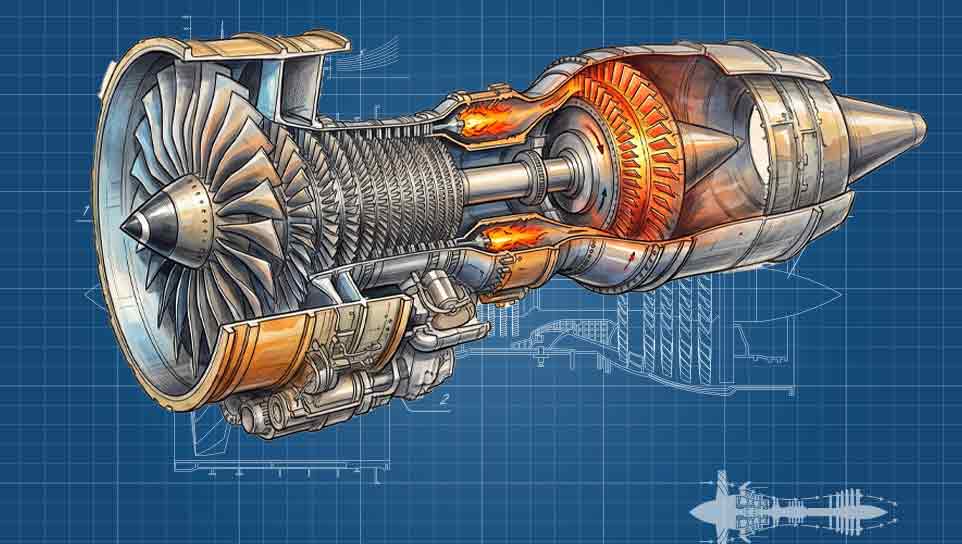
India's Breakthrough: Indigenous Single-Crystal Jet Engine Blade Technology

Miss Universe India 2026 Jury Set for Jaipur Finale

Rasha Thadani Celebrates Azaad's First Anniversary

Mrunal Thakur Issues Apology Amid Bipasha Basu Controversy