

1 week ago
India’s 57-Year-Old Tarapur Reactor Prepares for More Years
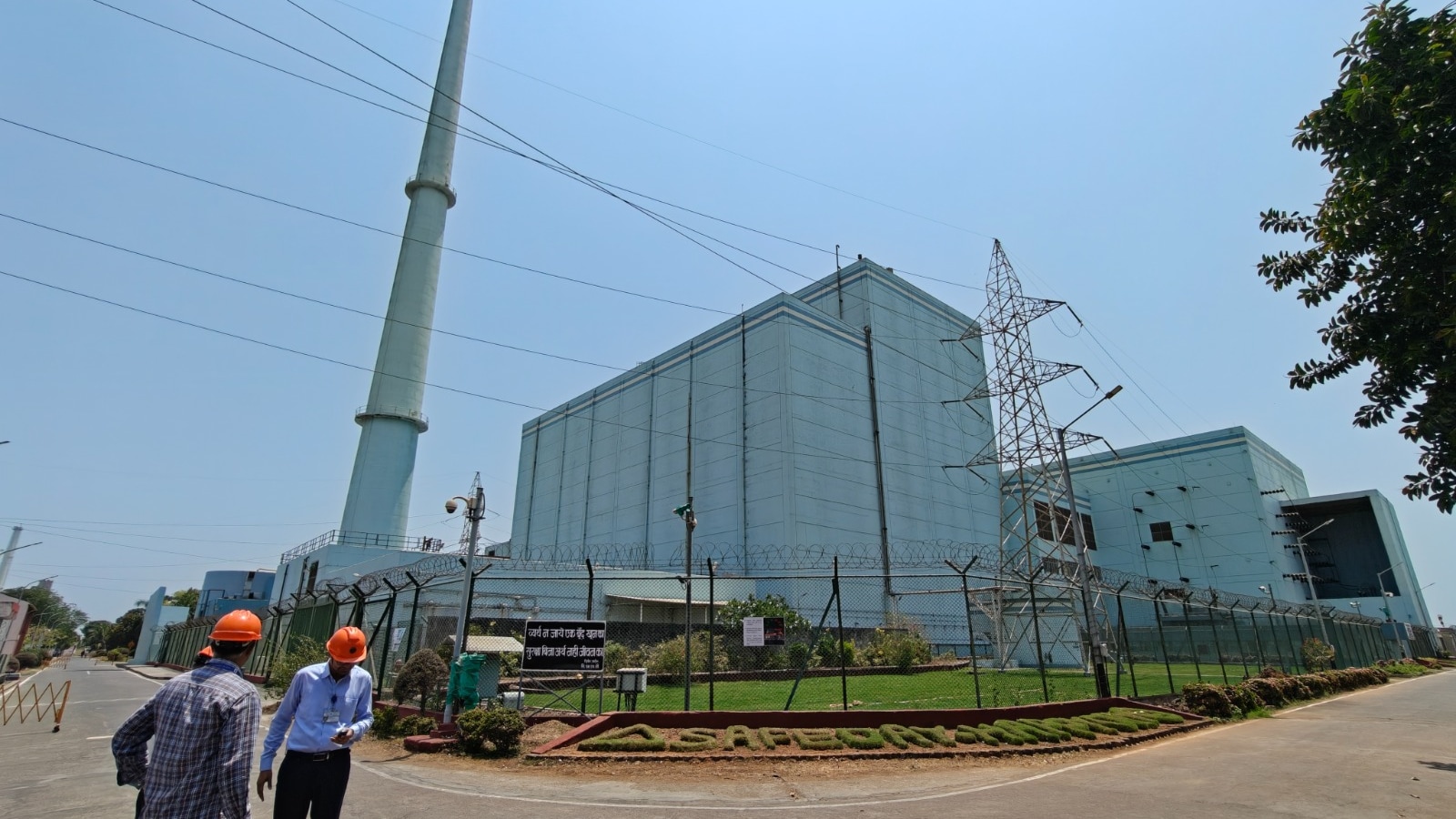
Tarapur is a nuclear power station on India’s coast that started making electricity in 1969.
One of its reactors is now the oldest commercial reactor still operating in the world.
Engineers have kept it running by checking its equipment and adding new safety systems.
They upgraded it after major nuclear accidents in the United States, Ukraine and Japan.
They also replaced important pipes inside the reactor.
Because some areas were radioactive, workers used robots, special tools and careful practice.
India now makes many of the parts and supplies the station’s fuel.
The station sells electricity at a relatively low price and does not produce carbon dioxide during operation.
Officials are seeking permission to keep it running for longer.

Tarapur Atomic Power Station Unit 1 began commercial operations in 1969 and remains the world’s oldest commercial nuclear reactor.
The station has undergone major safety upgrades following the Three Mile Island, Chernobyl and Fukushima accidents.
A complex refurbishment replaced reactor recirculation piping using low-carbon nitrogen steel, robotics and locally developed equipment.
Indian organizations have indigenized most systems and developed domestic fuel capabilities after earlier supply restrictions.
Tarapur has sought a five-year life extension, while engineers believe it could potentially operate for at least another 20 years.
- Who
- Tarapur Atomic Power Station Units 1 and 2, operated by the Nuclear Power Corporation of India Limited, with Station Director Vinay Thatte overseeing the facility.
- What
- The 57-year-old station continues operating after extensive safety upgrades, equipment modernization and replacement of critical reactor recirculation piping.
- Where
- Tarapur Atomic Power Station, on India’s coast beside the Arabian Sea.
- When
- Construction began in 1964; both reactors achieved criticality in 1968 and entered commercial operation in 1969. The station is seeking a new five-year life extension.
- Why
- To maintain electricity generation, preserve India’s nuclear expertise and support the country’s expanding nuclear power ambitions.
Key facts
- Reactor age
- Unit 1 has operated for 57 years and is described as the world’s oldest commercial nuclear reactor.
- Commercial operation
- Units 1 and 2 entered commercial operation in 1969.
- Current tariff
- The station sells power at around Rs 3.31 per unit, according to Vinay Thatte.
- Major refurbishment
- Critical reactor recirculation piping was replaced with low-carbon nitrogen steel.
- Safety additions
- Post-Fukushima upgrades included nitrogen inerting, tsunami protection gates, additional generators and filtered vent systems.
- Fuel supply
- India developed domestic fuel production capabilities after international restrictions created supply challenges.
- Extension outlook
- The station has sought a five-year extension, potentially extendable to 10 years after regulatory review; engineers believe it could operate for at least another 20 years.
Quotes
Vinay Thatte
Station Director of Tarapur Atomic Power Station Units 1 and 2
“It is my family. It is my child. It is a pious place for me.”
 NDTV
NDTV
“It requires a lot of planning and a lot of mock ups.”
NDTV
Sources
Related news
India's Draft Nuclear Rules Put Five Stocks Under Watch

India's Nuclear Utilities Choose Local Reactors to Speed Projects

India Opens Its Nuclear Power Sector to Private Participation
Pologround Substation Marks Six Decades Powering Indore’s Transformation
India's Private Nuclear Entrants Favor Indigenous Heavy Water Reactors
Tamil Nadu Signs MoUs With Four Quantum Computing Ventures
