

3 weeks ago
Barricades and Force Distance Citizens From Democracy, Article Argues

In a democracy, people get to choose their leaders by voting.
They should also be able to talk to those leaders, especially when they are upset about something.
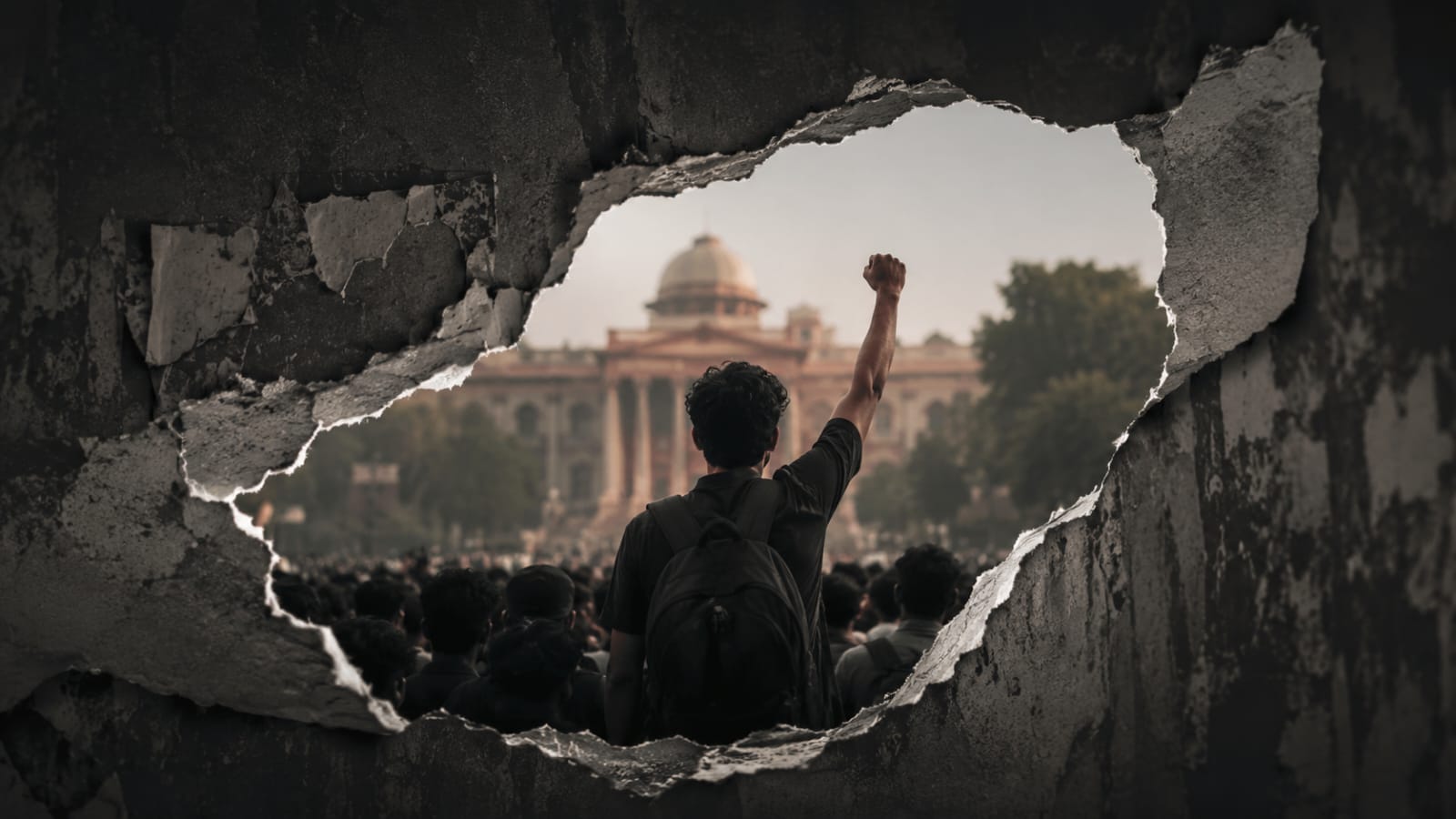
Sometimes people join together and march to big government buildings, like Parliament.
This article says that when people march to Parliament, they are often stopped before they get there.
Police put up fences and barriers, and sometimes use sticks, tear gas, and special guns called pellet guns.
The writer finds this confusing, because leaders ask people to come out and vote.
The writer agrees that safety measures are sometimes needed.
But the writer worries that safety is being used as an excuse to keep people far away from their leaders.
The writer thinks citizens should be able to reach the buildings where decisions are made.

An opinion piece questions why citizens can elect representatives but are physically barred from reaching them.
Protesters marching to Parliament or state legislatures face barricades and prohibitory orders.
Police responses cited include cordons, lathis, tear gas, and pellet guns.
Pellet guns are called 'a new low under the RSS-BJP regime.'
The article concedes security is necessary but asks if it has become an excuse to distance citizens from institutions.
- Who
- Citizens organizing protests, and state authorities under the RSS-BJP regime
- What
- The state's use of barricades, prohibitory orders, police cordons, lathis, tear gas, and pellet guns to block protesters from reaching Parliament and state legislatures
- Where
- India (implied), specifically Parliament and state legislatures
- When
- Not specified in the article
- Why
- The article argues security measures appear to have become an excuse to create a permanent distance between citizens and their elected institutions
Critics of protest policing
State security rationale
Security measures at protests
Critics of protest policing
Barricades, prohibitory orders, cordons, lathis, tear gas, and pellet guns physically prevent citizens from reaching Parliament and state legislatures, creating a permanent distance between people and their representatives.
State security rationale
Security arrangements around Parliament and legislatures are necessary to protect democratic institutions and maintain order — a necessity the article itself concedes.
Legitimacy of prohibitory orders and force
Critics of protest policing
Using lathis, tear gas, and pellet guns against citizens demanding answers is presented as a 'new low' that undermines democracy.
State security rationale
The article acknowledges security arrangements are necessary, so such orders could be justified as protecting institutions.
Key facts
- Source type
- Opinion / editorial article
- Core question
- Has security become an excuse to create permanent distance between citizens and their institutions?
- Cited security measures
- Barricades, prohibitory orders, police cordons, lathis, tear gas, pellet guns
- Target of criticism
- The RSS-BJP regime
- Concession
- Security arrangements are necessary
- Context location
- India — Parliament and state legislatures
Sources
Related news

India's Protest Rights: Lathis, Lockups, and Article 19 Questioned

Protest Gains Power Amid Questions About Parliamentary Debate

Bengal Congress Protests Alleged Paralysis of Kolkata Civic Body
Student Protests Turn Private Grievances Into Public Demands

BJP Leader Sanjay Tandon Warns Against Parliamentary Disruptions

Lokesh Calls for NDA Victory in Upcoming Local Elections

Jagga Reddy touts Telangana welfare schemes after 1,000 days
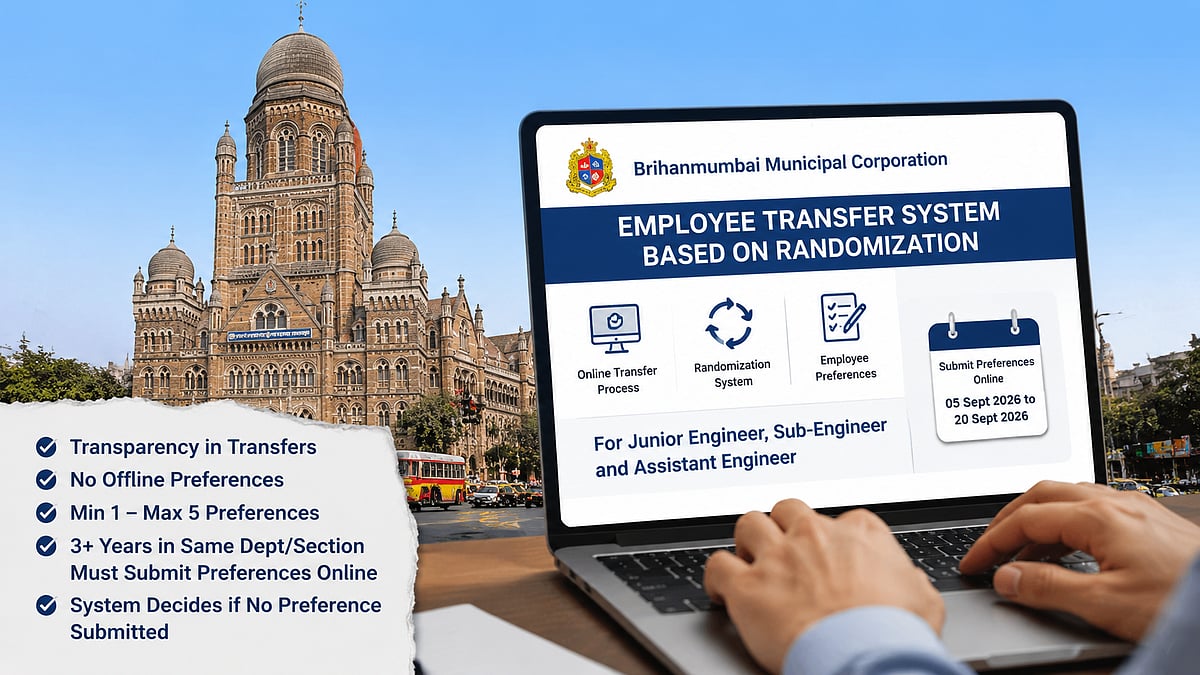
BMC Introduces Randomized Online Engineer Transfers Amid Political Interference Allegations

Madhya Pradesh CM Hints at Renaming Orchha’s Jahangir Mahal

Lokesh Urges Alliance Leaders to Secure Huge Local Poll Victory
