

1 week ago
Protest Gains Power Amid Questions About Parliamentary Debate

Protests are a way for people and political groups to make their voices heard.
They can sometimes help bring attention to important problems.
But the article asks whether too much protest could create disorder.
It also asks why protests keep happening when governments win elections by large margins.
Repeated protests may show that people are unhappy or do not trust the government.
They may also show that the government and citizens are not communicating well.
The opposition is using protests to ask questions that could be raised in Parliament.
The main concern is whether protests should support parliamentary debate rather than replace it.

The article asks whether protest always leads to positive change or can encourage anarchy.
It questions whether recurring protests reflect disenchantment, declining trust, or poor government communication.
The opposition is increasingly using dharnas to raise questions that might otherwise be asked in Parliament.
The article says there is nothing inherently wrong with opposition protests.
It questions whether protests can replace parliamentary debate and legislative scrutiny.
- Who
- Governments, opposition parties, and people seeking to be heard.
- What
- A debate over the growing use of protests and dharnas as a political tool.
- Where
- Inside Parliament and outside in public spaces.
- When
- The issue is described as recurring in current news-channel debates.
- Why
- Protests are being used to demand responses, express dissatisfaction, and draw attention to political questions.
Protest as Democratic Pressure
Parliamentary Debate and Order
Value of protest
Protest as Democratic Pressure
Protests allow opposition groups and others to make their voices heard and pressure governments to respond.
Parliamentary Debate and Order
Repeated protests may become a political weapon or a perceived one-stop solution rather than a means of addressing issues through institutions.
Protest versus Parliament
Protest as Democratic Pressure
Dharnas can draw attention to questions that might otherwise receive no response.
Parliamentary Debate and Order
Protests should not replace parliamentary debate, questioning, and scrutiny.
Meaning of recurring protests
Protest as Democratic Pressure
Frequent protests may reflect public disenchantment, declining trust, or a communication failure between government and citizens.
Parliamentary Debate and Order
When governments repeatedly win large electoral mandates, recurring protests raise questions about whether protest is being used strategically despite electoral support.
Key facts
- Central issue
- Whether protest is always a path to positive change.
- Key concern
- Normalizing protest could potentially invite anarchy, according to the article's question.
- Political use
- The opposition is increasingly using dharnas to raise questions and seek responses.
- Alternative forum
- Some questions that could be asked on the floor of the House are being posed through protests.
- Underlying explanations
- Recurring protests may indicate disenchantment, eroding trust, or ineffective communication.
- Institutional concern
- The article questions whether protest can replace parliamentary debate and scrutiny.
Sources
Related news
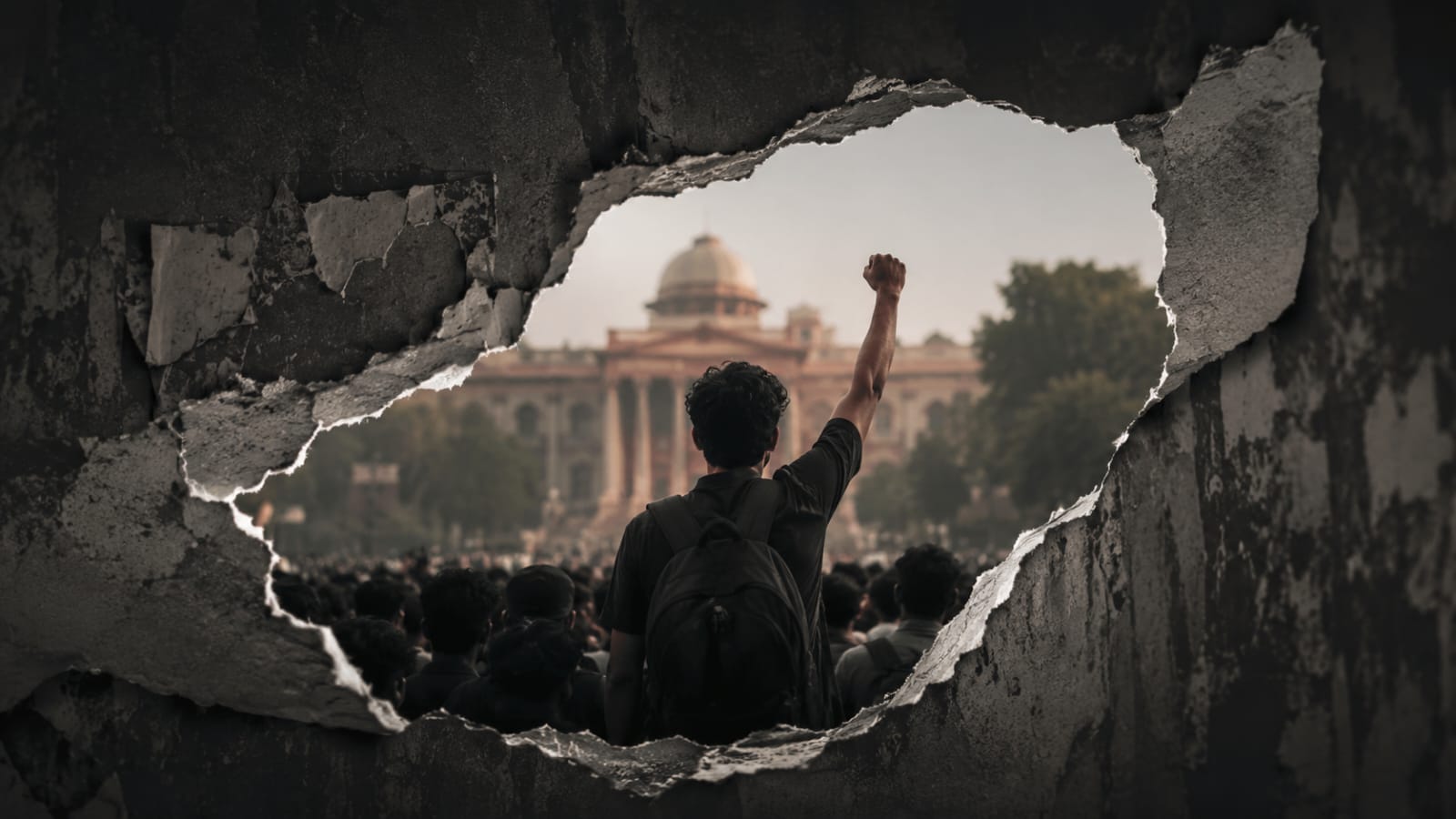
Student Protests Turn Private Grievances Into Public Demands

Barricades and Force Distance Citizens From Democracy, Article Argues
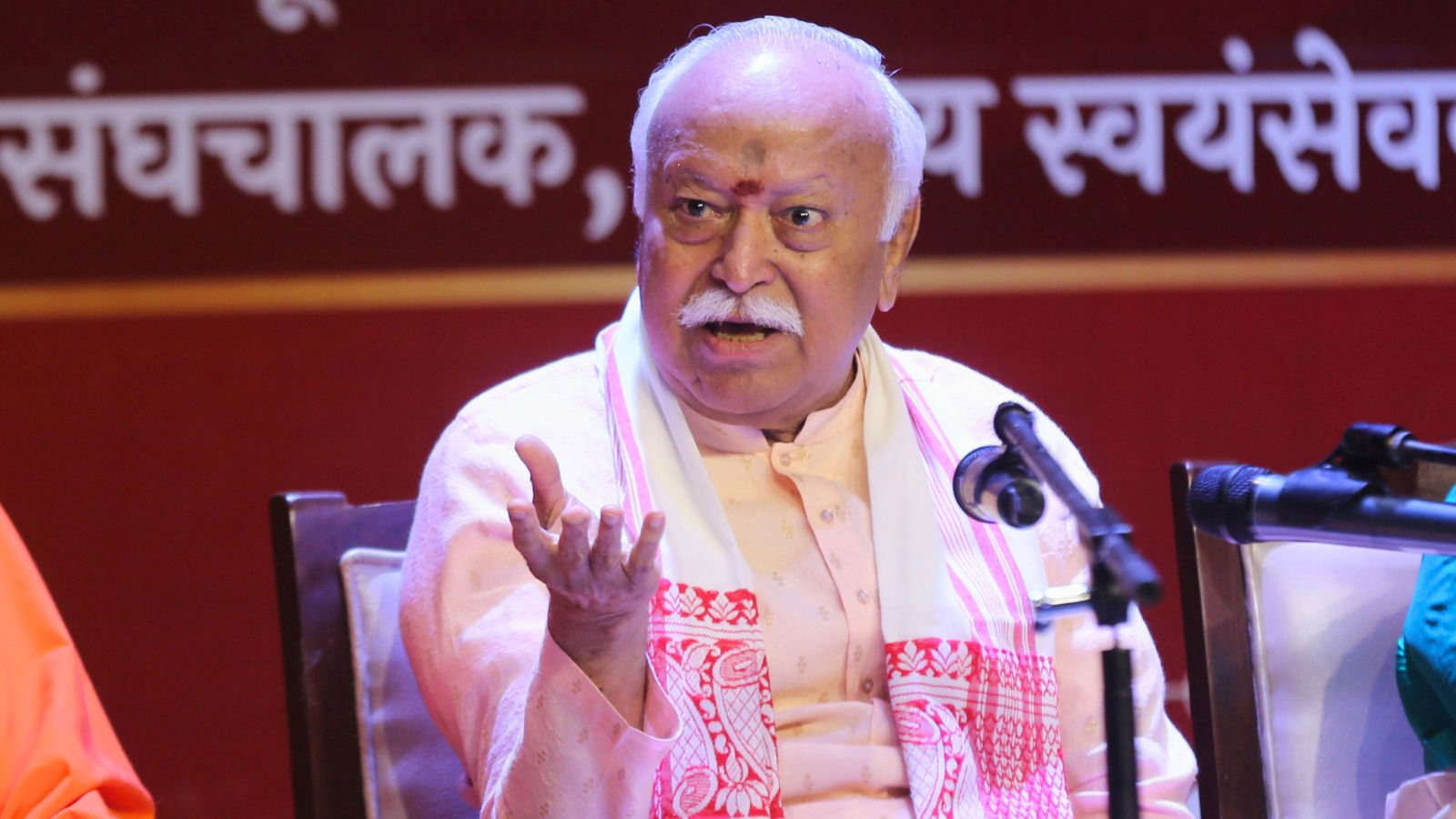
Mohan Bhagwat Defends Student Protests as Legitimate Democratic Dialogue
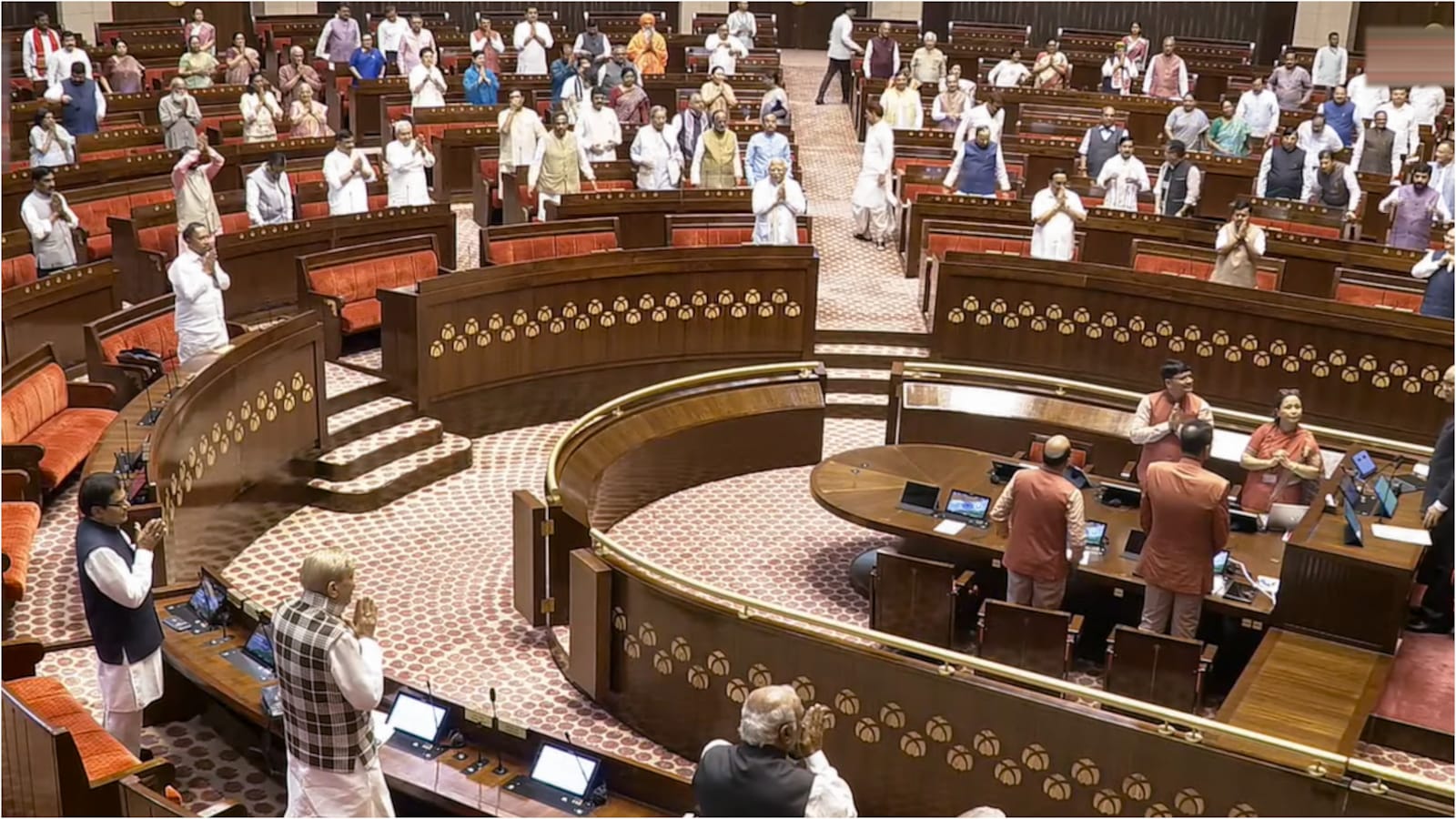
Indian Parliament's Monsoon Session Ends Amid Disruptions, Low Productivity
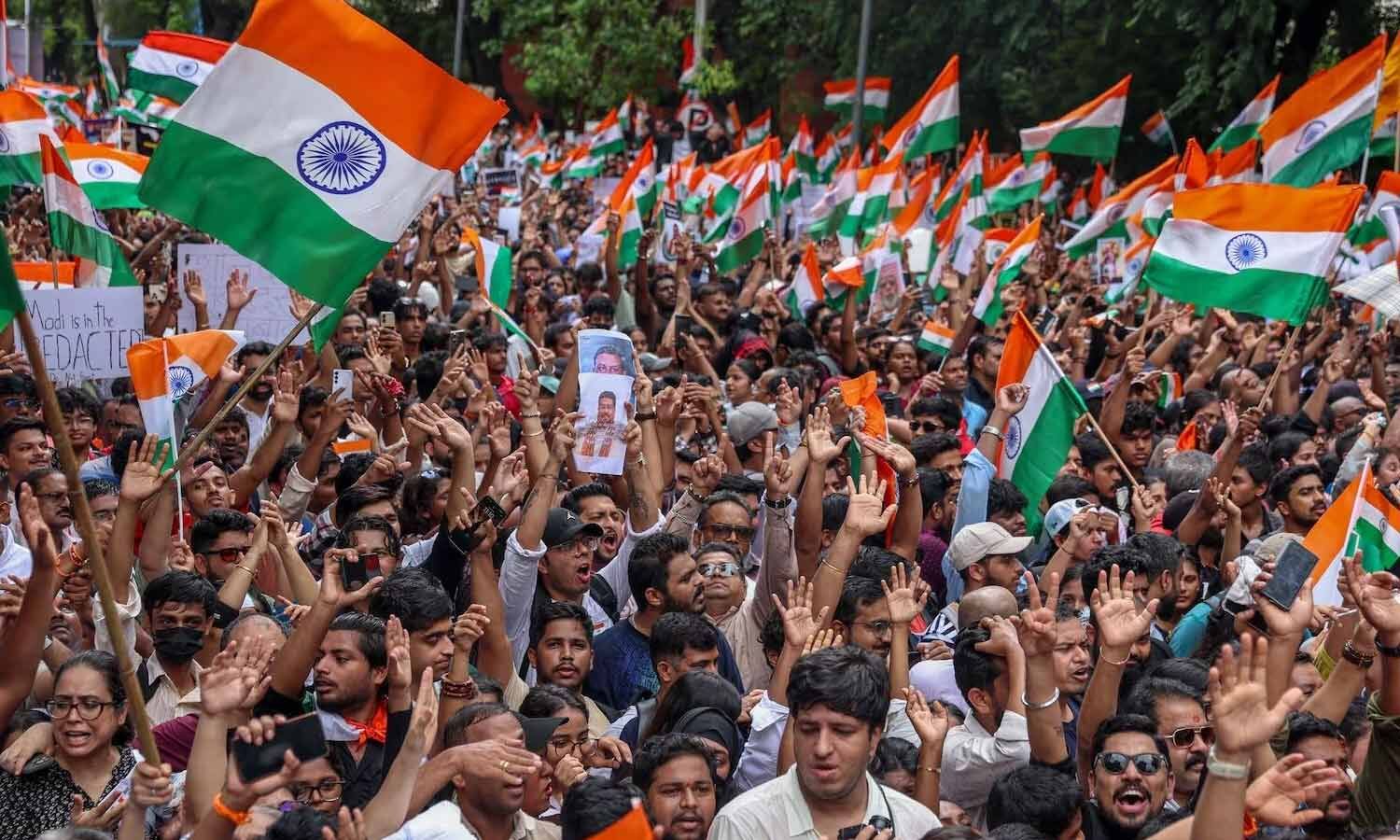
New political mood takes shape in India amid calls for accountability
