1 hr ago
Calls Grow to Rethink India’s Voter Roll Revision
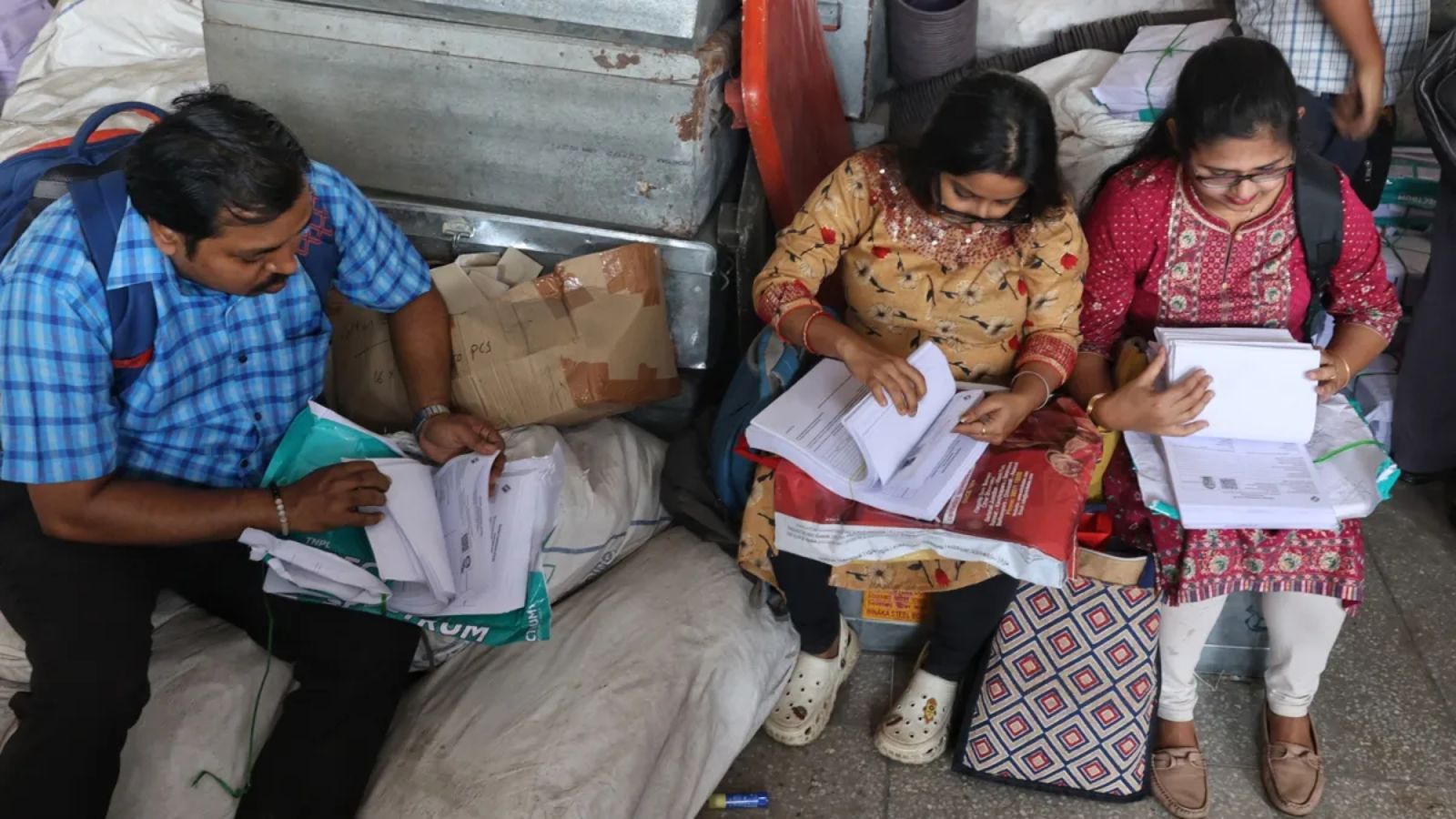
India is checking its voter lists to remove people who may be dead, duplicated, or no longer living in a place.
This process is called the Special Intensive Revision, or SIR.
Critics say that many real voters are being removed or asked to prove that they are genuine.
They point to computer mistakes, misspelled names, and problems in old voter records.
In Delhi, millions of people have reportedly been flagged.
A review in West Bengal found that many earlier deletions were mistakes and had to be corrected.
The Election Commission says that even important officials were flagged, showing that the process is not aimed at one group.
The article argues that the process should be changed or stopped so genuine citizens do not lose their right to vote.

An Indian Express investigation reported that two Election Commissioners objected in writing to decisions by Chief Election Commissioner Gyanesh Kumar, including voter-form changes and mass deletions.
In Delhi, more than 80 lakh of 1.45 crore registered voters were reportedly flagged for deletion, notices, or technical discrepancies.
The article says electoral rolls are shrinking across most states and estimates nationwide deletions could reach 12 to 13 crore voters.
Critics argue that flawed databases, software errors, and rushed procedures could disenfranchise genuine voters, while the Election Commission of India says prominent people being flagged demonstrates non-discrimination.
The article calls for the Special Intensive Revision to be reconsidered or abandoned, despite the Supreme Court having upheld its legality.
- Who
- The Election Commission of India, voters, Election Commissioners, former election officials, and critics including Ashok Lavasa and S Y Quraishi are central to the report.
- What
- The Special Intensive Revision is reviewing voter rolls and has allegedly flagged or deleted millions of voters because of absence, relocation, death, duplication, or record discrepancies.
- Where
- The issue is reported across India, with particular attention to Delhi, West Bengal, Goa, Maharashtra, Chandigarh, Bihar, Kerala, and Tamil Nadu.
- When
- The review is ongoing; the article also refers to objections recorded over 10 months and notices generated by mid-September.
- Why
- The Election Commission says the exercise is intended to clean and verify electoral rolls, while critics say its methods and timing risk wrongly disenfranchising legitimate voters.
Critics and Former Election Officials
Election Commission and Legal Position
Accuracy of deletions
Critics and Former Election Officials
Critics argue that database errors, misspellings, unreliable software, and flawed mapping are wrongly targeting legitimate voters; they cite the high restoration rate in reviewed West Bengal cases.
Election Commission and Legal Position
The Election Commission is conducting the revision to verify and clean voter rolls, and says the inclusion of prominent officials among flagged voters shows the process is non-discriminatory.
Timing and procedure
Critics and Former Election Officials
Critics say conducting the revision close to major elections gives voters too little time to respond, appeal, and correct mistakes.
Election Commission and Legal Position
The revision is proceeding under statutory deadlines, and the Supreme Court has upheld its legality, although that ruling does not resolve all criticisms about fairness.
Role of administrators
Critics and Former Election Officials
Critics object to assigning Booth Level Officers, mainly government school teachers, responsibility for decisions involving voter eligibility and citizenship documentation.
Election Commission and Legal Position
The revision relies on administrative verification of voter records, with the Election Commission presenting the exercise as a legitimate electoral-roll cleanup.
Key facts
- Delhi electorate under review
- More than 80 lakh of Delhi’s 1.45 crore registered voters were reportedly under scrutiny.
- Delhi deletion flags
- Approximately 47.5 lakh voters were marked as absent, shifted, dead, or duplicate.
- Delhi technical flags
- The article says 33.13 lakh voters faced operational or technical flags, including 19.33 lakh for logical discrepancies and 13.80 lakh unmapped to the 2002 rolls.
- Delhi notices
- More than 31.6 lakh notices had reportedly been generated by mid-September.
- National estimate
- The article cites estimates that nationwide deletions could reach 12 to 13 crore voters.
- West Bengal review
- Of 82,000 cases adjudicated after being flagged for logical discrepancies, 91 percent were reportedly restored.
- Election Commission objections
- Two Election Commissioners reportedly recorded written objections at least 14 times over 10 months.
Sources
Related news

Electoral Roll Purge Draws Warning Over India’s Voting Rights
Congress Challenges Delhi SIR Over VIP Notices and Deletions
Congress Alleges Mass Voter Deletions During SIR Revision

Two Election Commissioners Raise 14 Objections Over SIR Decisions
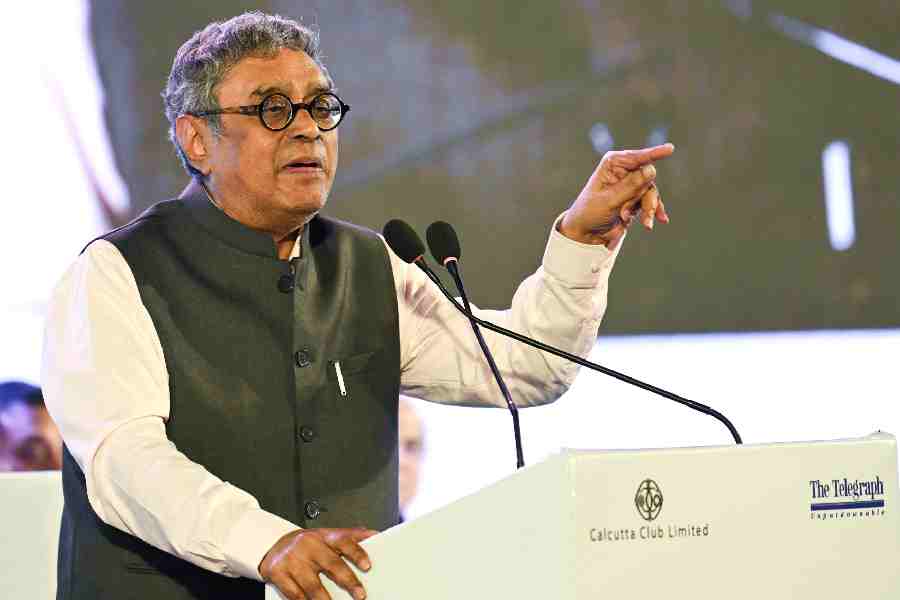
Bengal Ministers Clash Over Election Roll Revision Controversy
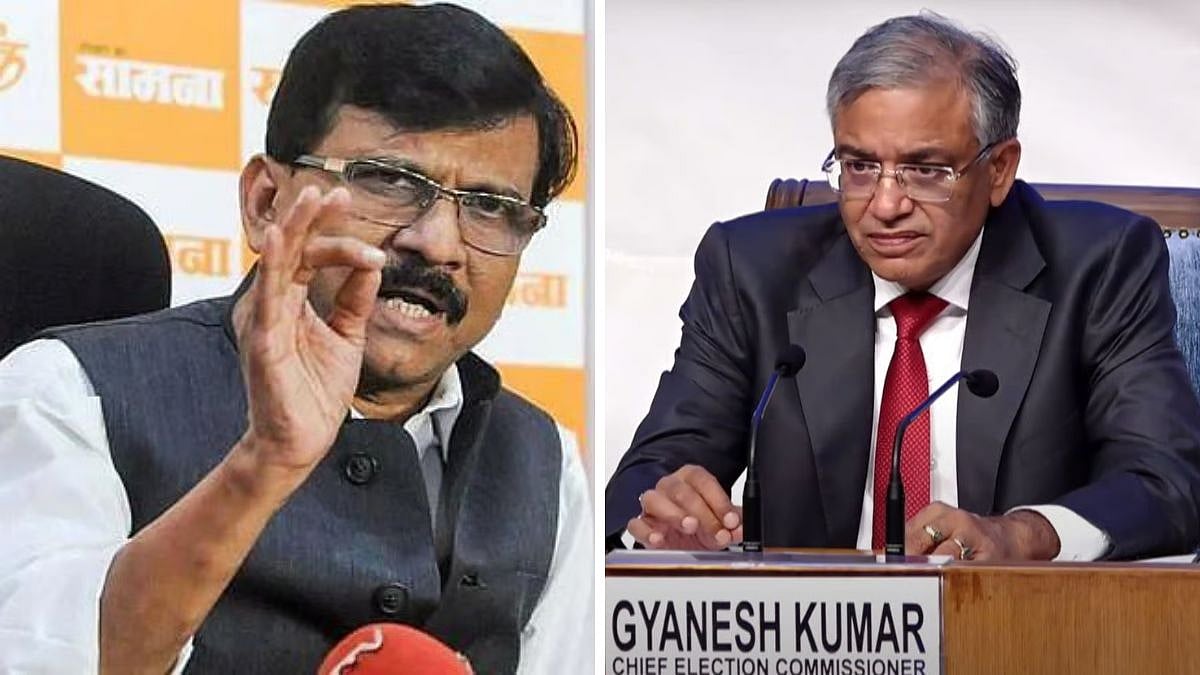
Sanjay Raut Demands Maharashtra Election Cancellation, CEC Gyanesh Kumar’s Resignation
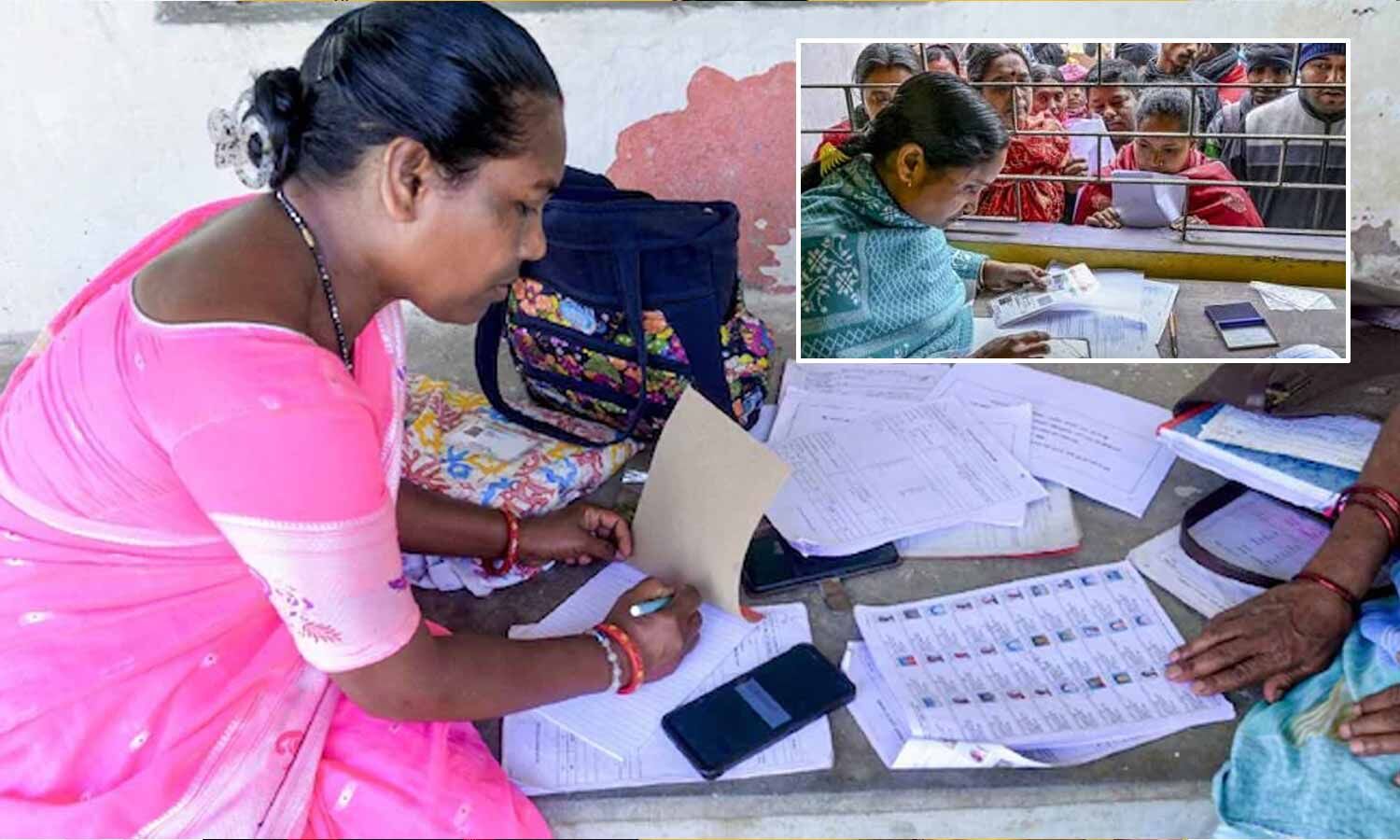
Goa Voter Exclusions Raise Questions Over ECINet Roll System

Sanjay Raut Threatens Impeachment Motion Against CEC Gyanesh Kumar