2 hrs ago
Tesla Cybercab Launch Faces Federal Safety Certification Investigation
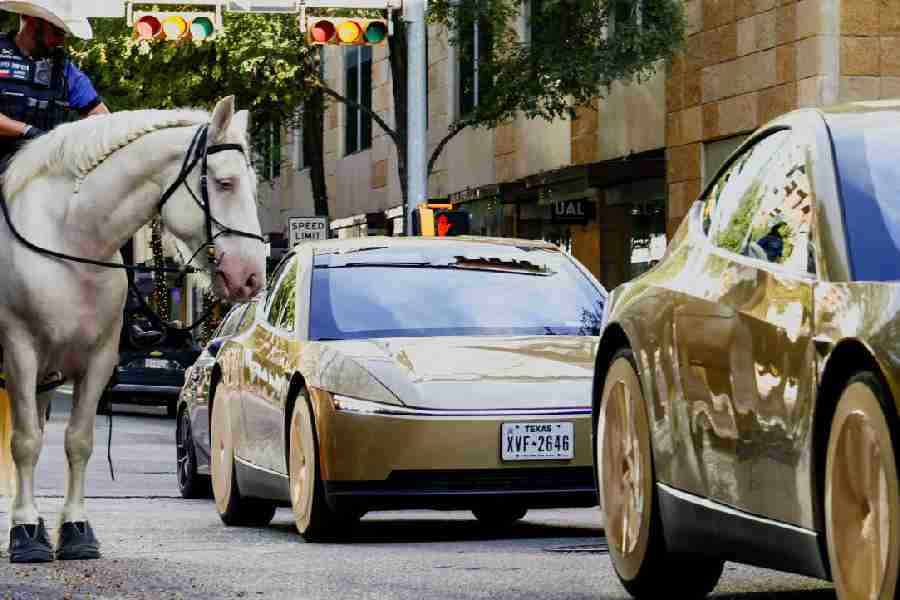
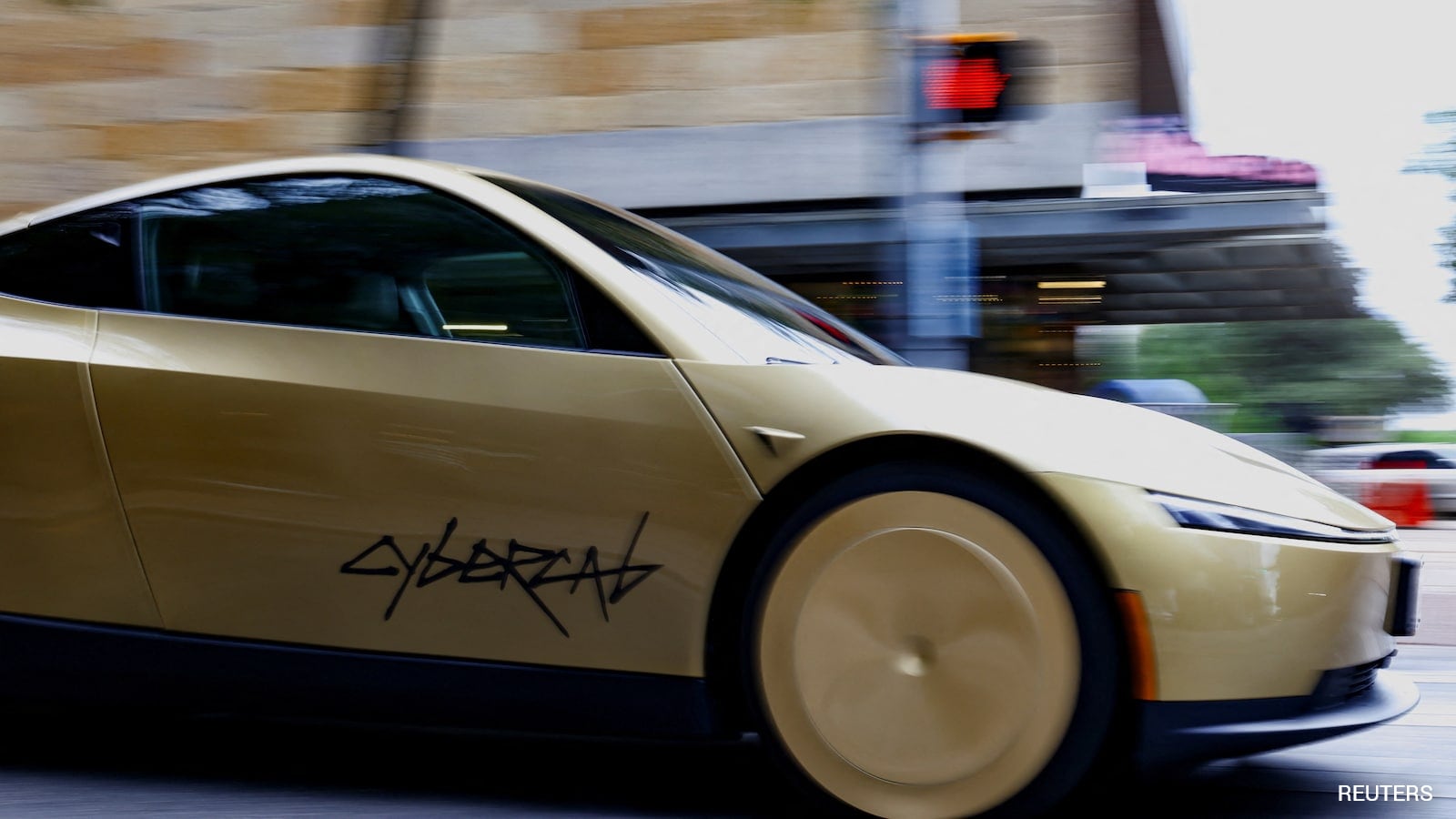
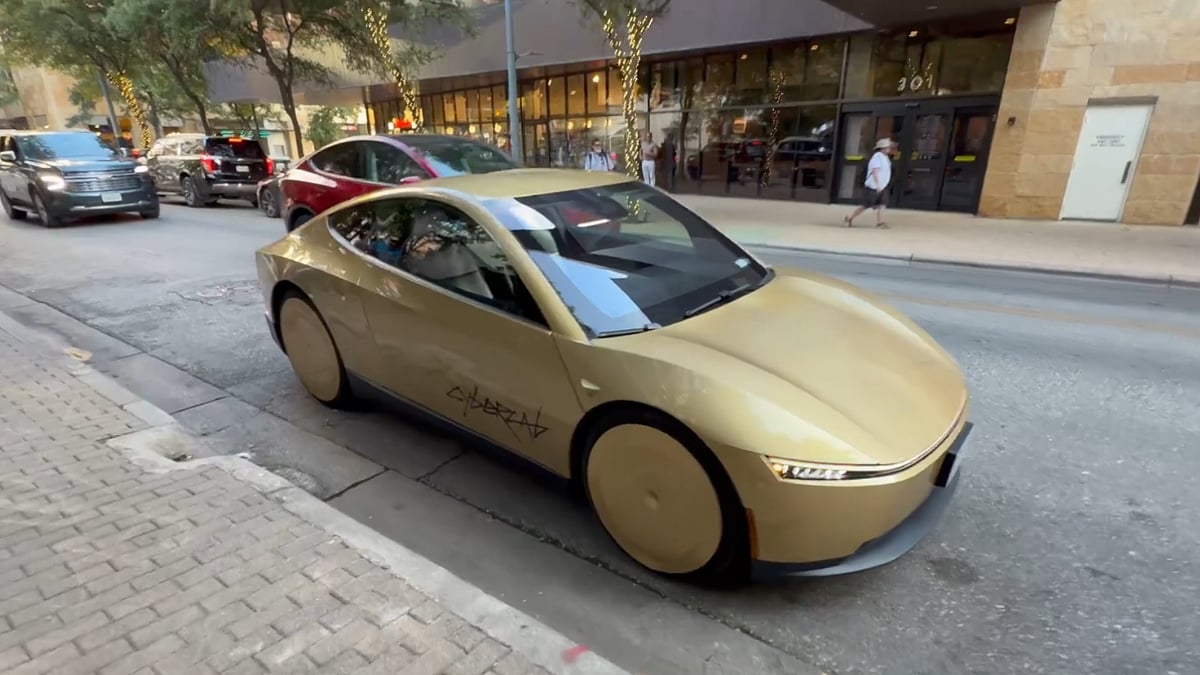
Tesla has started testing a new driverless taxi called the Cybercab in Austin, Texas.
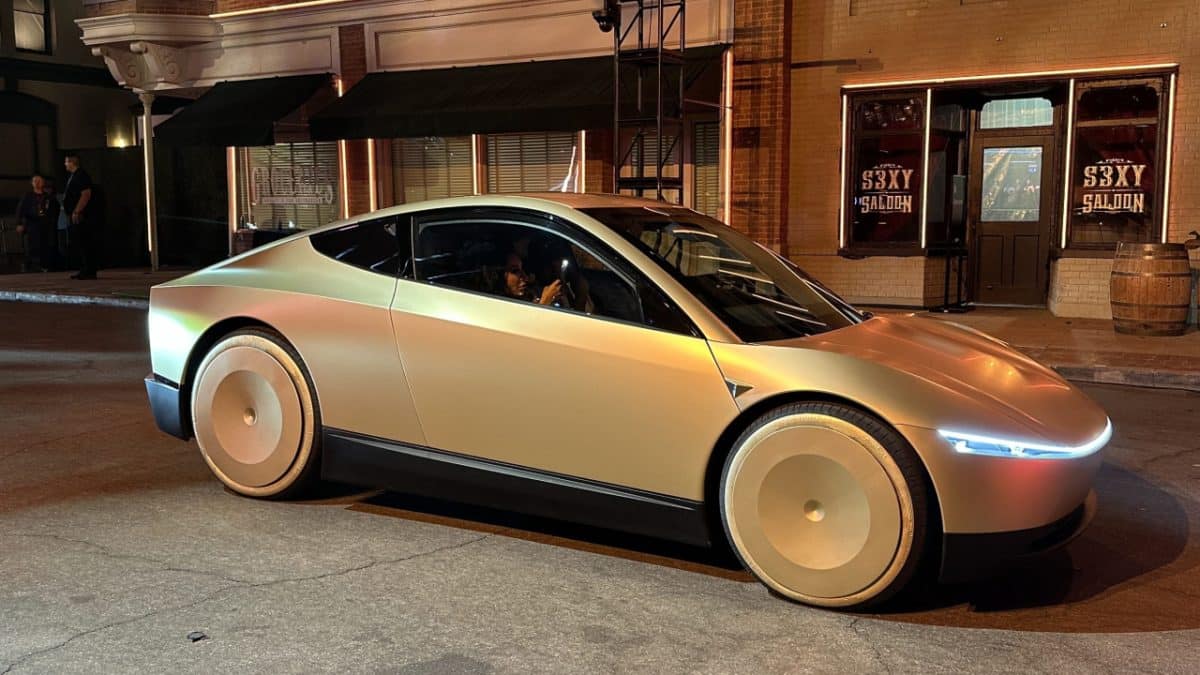
The car has two seats and does not have a steering wheel, pedals or regular mirrors.
Normally, cars must meet safety rules designed for vehicles controlled by human drivers.
Tesla says it certified the Cybercabs under those rules.
The National Highway Traffic Safety Administration, or NHTSA, is checking how Tesla made that decision.
The agency is reviewing information for as many as 1,000 Cybercabs.
NHTSA is also considering rule changes that could make vehicles without human controls easier to use.
The investigation does not by itself prove that the Cybercab is unsafe or that Tesla broke the law.

Tesla began commercial deployment of a small number of Cybercabs in Austin, Texas, on Thursday.
NHTSA is examining how Tesla certified up to 1,000 Cybercabs under federal safety standards.
The two-seat vehicles lack a permanently attached steering wheel, brake pedal, accelerator pedal and conventional mirrors.
Texas records listed 420 autonomous Tesla vehicles, including 45 Cybercabs, as of Friday morning.
Existing rules remain in force while NHTSA considers changes and investigates Tesla’s certification process.
- Who
- Tesla and the National Highway Traffic Safety Administration, with Elon Musk associated with Tesla’s robotaxi plans.
- What
- Tesla launched a limited Cybercab robotaxi service while NHTSA investigates the vehicles’ federal safety certification.
- Where
- Austin, Texas; Tesla plans to expand to additional vehicles and locations.
- When
- The commercial deployment began Thursday, and NHTSA announced the investigation on Friday.
- Why
- NHTSA is examining how Tesla determined that the Cybercab complied with federal standards and whether some standards were not applicable to it.
Tesla’s certification approach
NHTSA and safety concerns
Use of current safety standards
Tesla’s certification approach
Tesla has relied on its own certification for the Cybercabs and determined that certain standards did not apply to the vehicle.
NHTSA and safety concerns
NHTSA is examining the technical basis for that certification because existing standards include requirements designed around human-controlled vehicles.
Deployment without an exemption
Tesla’s certification approach
Tesla’s approach allows it to begin a limited service without using the federal exemption process, which is capped at 2,500 vehicles per manufacturer annually.
NHTSA and safety concerns
Regulators and safety experts may question whether a vehicle without conventional controls can comply with current standards without an exemption.
Rules and autonomous-vehicle development
Tesla’s certification approach
Tesla has begun deploying the purpose-built robotaxi while seeking to expand the service to more vehicles and locations.
NHTSA and safety concerns
NHTSA supports automated-vehicle development but says laws must be followed; the agency is separately considering changes to accommodate vehicles without human-driver equipment.
Key facts
- Vehicles under review
- NHTSA is examining the certification process and technical data for up to 1,000 Cybercabs.
- Cybercab design
- The two-seat vehicle lacks a permanently attached steering wheel, brake pedal, accelerator pedal and conventional mirrors.
- Austin deployment
- Tesla began commercial deployment of a small number of Cybercabs in Austin, Texas.
- Texas registrations
- State records listed 420 autonomous Tesla vehicles, including 45 Cybercabs, as of Friday morning.
- Existing regulations
- Federal motor vehicle safety standards remain in force while NHTSA considers changes for automated vehicles.
- Exemption limit
- NHTSA can authorize up to 2,500 vehicles per manufacturer each year without required human controls.
- Zoox precedent
- NHTSA approved Amazon’s Zoox unit for limited commercial deployment of steering-wheel-free robotaxis in July.
Quotes
Jonathan Morrison
Administrator of the U.S. National Highway Traffic Safety Administration
“NHTSA fully supports the safe development and deployment of automated vehicles. But as the federal regulator, we need to ensure that all of our laws are followed,”
 telegraphindia.com
“I don’t think there is a reasonable interpretation that can be made to suggest that the Cybercab can comply with the Federal Motor Vehicle Safety Standards”
 CNBC TV 18
Bryant Walker Smith
University of South Carolina law professor focused on autonomous-driving regulation
“No public information about Tesla’s capabilities suggests that Tesla is anywhere close to being able to safely and reliably deploy an automated driving system over the wide range of conditions that would be required for a vehicle without conventional controls”
CNBC TV 18
“Tesla historically has tested limits and pushed boundaries on regulations”
CNBC TV 18
Sources

Related news
Tesla Cybercab Launch In Austin Faces Safety Questions
Tesla Launches Steering-Wheel-Free Cybercabs Amid Safety and Trust Concerns

Tesla’s Cybercab Advances Driverless Robotaxi Plans in Austin
Tesla Launches Public Cybercab Rides as Musk Bets on Autonomy
Uber and Wayve Launch London’s First Public Robotaxi Service
China Proposes Autonomous-Driving Rules Amid Millions of Door-Handle Recalls
UK Electric Vehicle Sales Surge as Government Reviews Zero-Emission Rules
Uber Cuts 3,300 Jobs While Preparing for Robotaxis

Tesla Expands Ahmedabad Network With Body Shop, Model Y Drives