

2 weeks ago
Tesla Cybercab Launch In Austin Faces Safety Questions
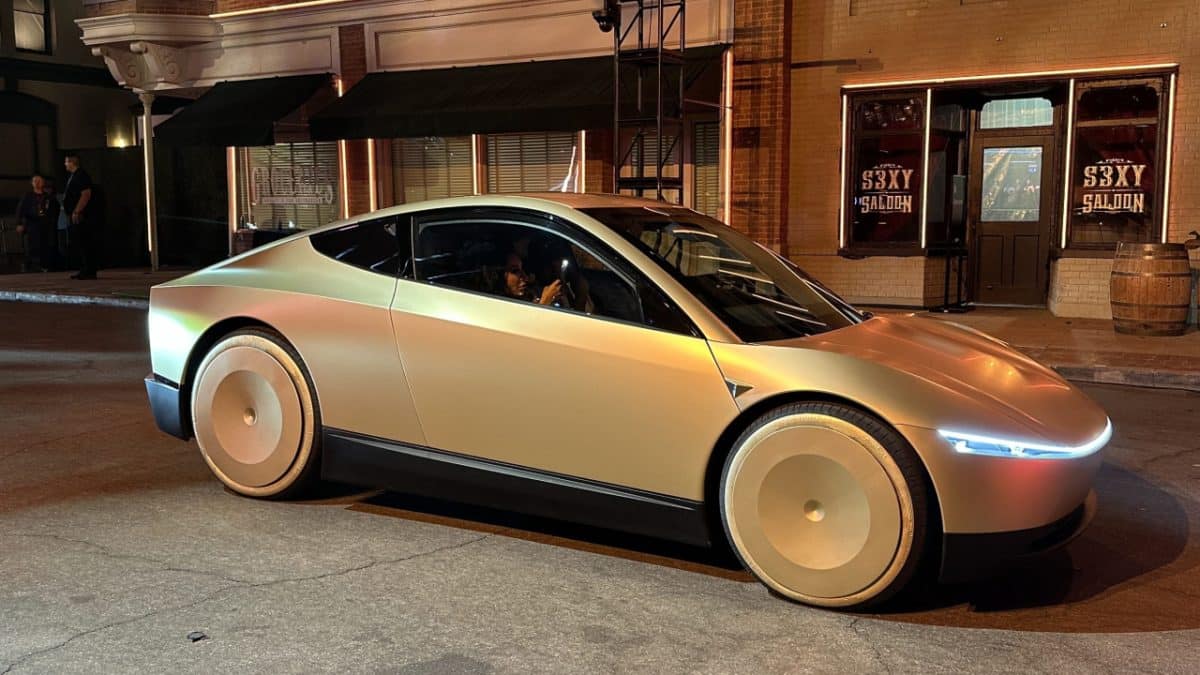
Tesla wants to show its new Cybercab robotaxi in Austin later this month.
The Cybercab is a small electric car made to drive without pedals or a steering wheel.
Tesla employees have been testing some of these cars on private roads.
Austin has trained emergency workers in case the cars need help.
Tesla says remote operators can intervene if something goes wrong.
However, Tesla’s current self-driving system normally expects a person to pay attention.
Tesla has much less driverless-road experience than Waymo.
Government rules may also require Tesla to get special permission because the car lacks normal controls.
The launch would be an important test, but it would not prove that the Cybercab is ready for everyone to use.

Tesla is reportedly planning a Cybercab launch event in Austin, Texas, later this month.
The two-seat electric Cybercab is designed without a steering wheel or pedals and is intended to operate fully driverlessly.
Tesla employees have tested driverless Cybercabs on private roads, while Austin trained first responders for possible emergencies involving the vehicles.
Tesla says its unsupervised robotaxis have driven about 380,000 miles across six cities, compared with Waymo’s more than 220 million fully driverless public-road miles.
Regulatory requirements, limited Cybercab-specific data, remote-intervention risks and safety scrutiny could delay wider deployment or consumer sales.
- Who
- Tesla, led by Elon Musk, is preparing the Cybercab, while Waymo, regulators and safety experts provide comparisons or scrutiny.
- What
- Tesla is reportedly preparing a public launch or testing phase for its purpose-built, fully driverless Cybercab.
- Where
- Austin, Texas, with additional Tesla robotaxi activity reported in Dallas and Houston.
- When
- The launch event is reportedly planned for later this month; Tesla employees have tested driverless Cybercabs since July.
- Why
- Tesla is seeking to advance its autonomous-vehicle program, but it must address safety, data, communications and regulatory questions.
Tesla’s Autonomous-Vehicle Case
Safety and Regulatory Concerns
Readiness for driverless operation
Tesla’s Autonomous-Vehicle Case
Tesla is preparing a public Cybercab launch, has tested driverless vehicles on private roads and says remote operators can intervene when necessary.
Safety and Regulatory Concerns
The Cybercab relies on Full Self-Driving (Supervised), a system that currently requires driver attention, while the vehicle is designed without a human fallback.
Evidence of safety
Tesla’s Autonomous-Vehicle Case
Tesla has promoted its autonomous technology as safer than conventional driving and is adding Starlink connectivity to address communication reliability.
Safety and Regulatory Concerns
Regulators and independent safety experts have challenged Tesla’s safety claims, and questions remain about whether remote intervention would be fast enough during emergencies.
Scale and regulation
Tesla’s Autonomous-Vehicle Case
A launch could expand Tesla’s robotaxi testing and help the company collect the vehicle-specific data Elon Musk said is needed before large-scale deployment.
Safety and Regulatory Concerns
Tesla’s reported mileage is far below Waymo’s, and federal rules may require regulatory relief before the Cybercab can be sold in large numbers.
Key facts
- Vehicle design
- Two-seat electric vehicle designed without a steering wheel or pedals.
- Reported launch location
- Austin, Texas.
- Tesla autonomous mileage
- About 380,000 unsupervised robotaxi miles across six cities in two states.
- Waymo autonomous mileage
- More than 220 million fully driverless public-road miles since commercial service began in 2020.
- Reported fleet size
- 16 unsupervised vehicles in Austin, four in Dallas and one in Houston, according to cited tracker data.
- Regulatory issue
- Federal vehicle rules generally require conventional controls and equipment that the Cybercab lacks.
- Safety investigation
- The National Highway Traffic Safety Administration is investigating Tesla’s system over alleged traffic-safety and compliance issues.
Sources
Related news
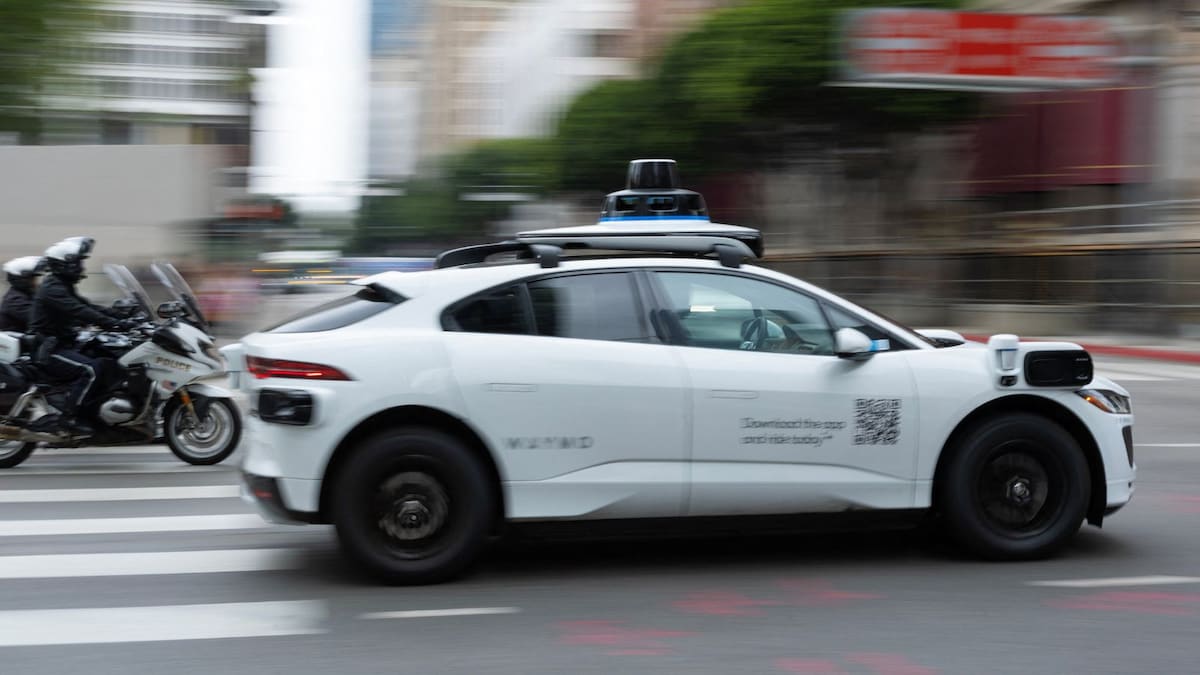
Waymo Picks Munich for First EU Robotaxi Service
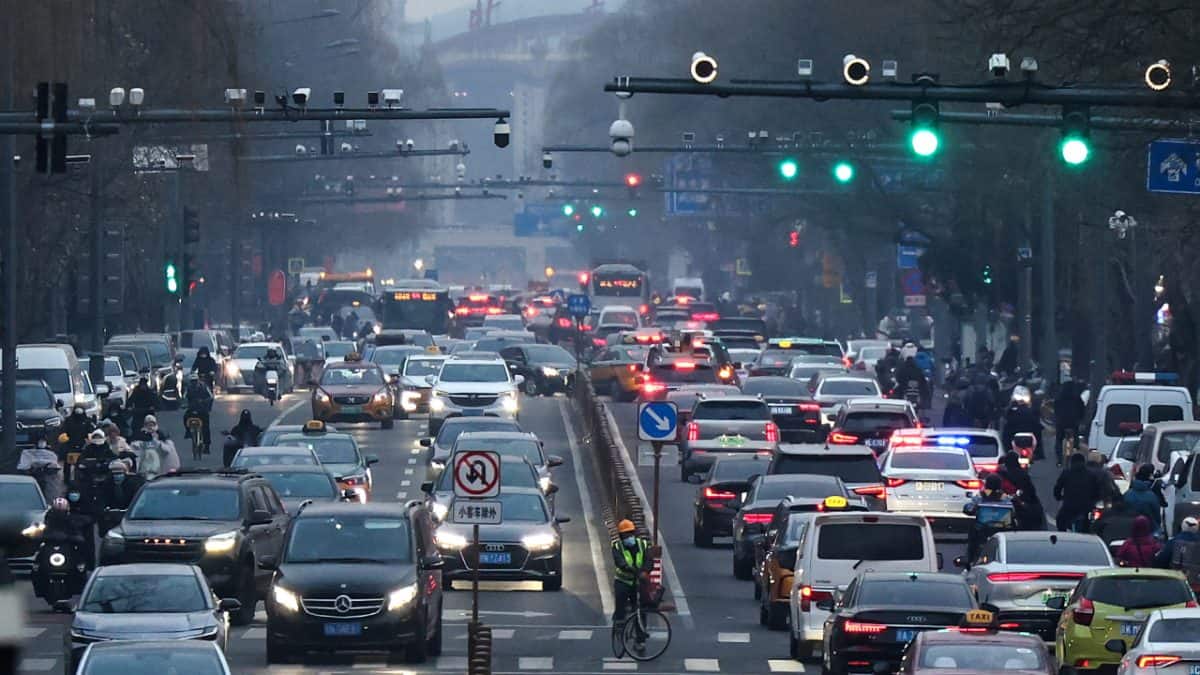
China Proposes Autonomous-Driving Rules Amid Millions of Door-Handle Recalls
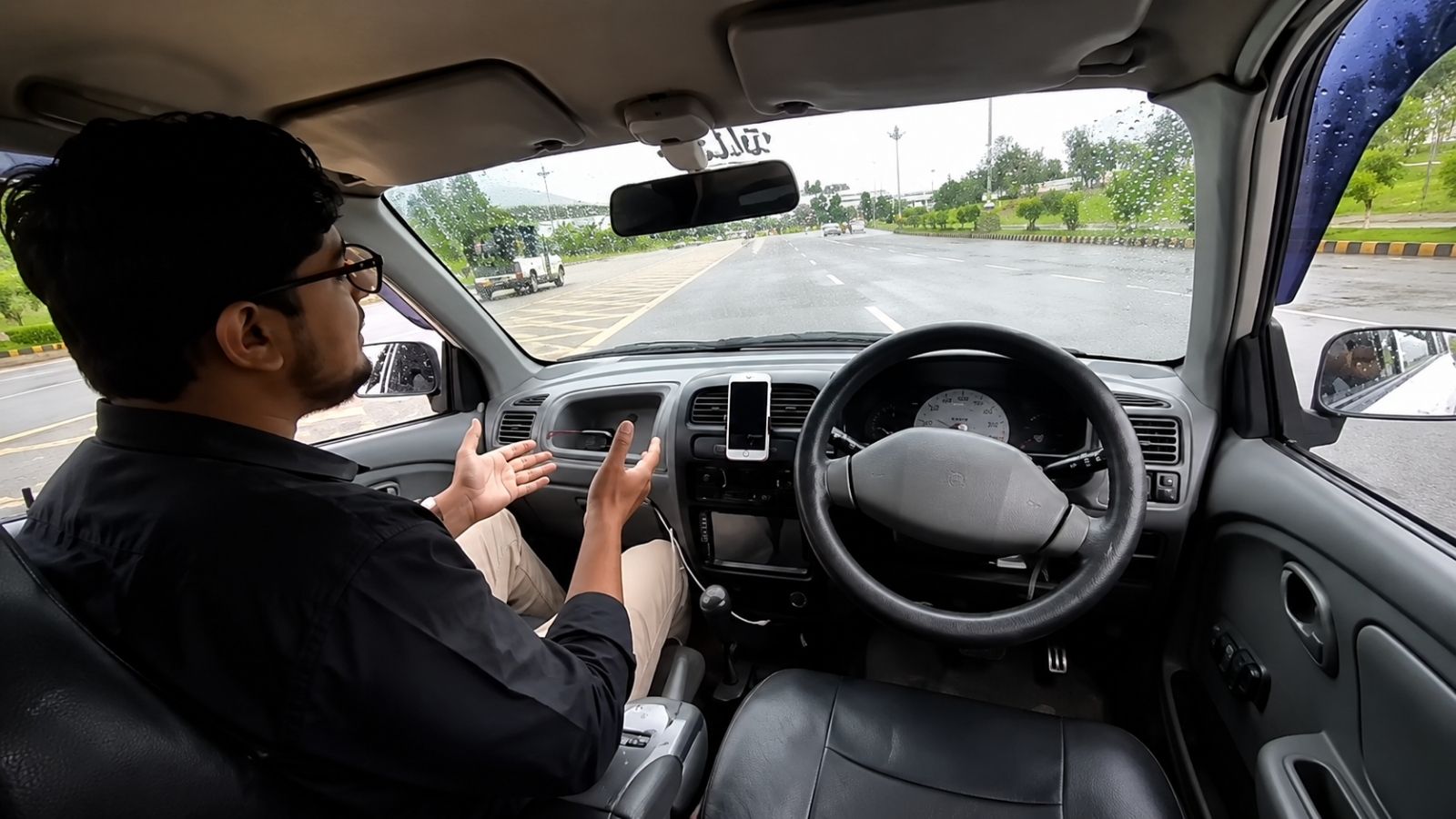
Pakistan’s Remote-Controlled Driverless Car Crashes Into Police Van
Tesla FSD Railway-Crossing Incident Renews Concerns Over Safety

Amazon’s Zoox Robotaxis Begin Road Operations Amid Rider Unease
Tesla Faces Desi Reality Check in Viral Gurugram Traffic Video

Big Break Reboot Shelved After Good Good Sponsor Scandal
Ariana Grande makes rekindled romance with Ricky Alvarez Instagram official

Samsung to Supply iPhone 18 with Advanced Sensors

AMD's Lisa Su Challenges Nvidia's Dominance in AI Chip Market
