

2 days ago
Fix the Internship Scheme by Prioritising Quality and Outcomes

The Prime Minister Internship Scheme is meant to help young people gain work experience.
But many people who receive offers do not join, and some who do join later leave.
Moving to another place can cost more than the stipend covers, and some internships may not match what a person wants to learn or do.
The government has increased the monthly payment and widened who can apply.
The article says the scheme should focus less on how many internships are advertised and more on whether they are useful.
It suggests helping with travel or housing when people must move.
Companies should also be judged on the work and training they provide.
The scheme should track who finishes and whether participants later find relevant jobs.

Across its first three rounds, the Prime Minister Internship Scheme saw about 400,000 opportunities posted, but only 39% led to offers and 20% of those offered joined.
In Round 1, 8,760 of 60,866 offer recipients joined and 4,698 later dropped out; in Round 2, 7,300 of 71,192 joined and 2,648 dropped out.
Round 3 had 14,620 joiners against 25,794 offers, but completion figures are not yet available.
The government raised monthly assistance to at least ₹9,000, expanded eligibility to ages 18–25, and included final-year undergraduate and postgraduate students.
The article recommends better location matching, relocation support, stipends reflecting living costs, quality measures for companies, and tracking participants’ employment outcomes.
- Who
- The Indian government, participating companies, and young people taking part in the Prime Minister Internship Scheme.
- What
- An opinion article argues that the scheme should be redesigned to improve joining, completion, training quality, and employment outcomes.
- Where
- India.
- When
- As the scheme approaches its second anniversary; figures cover its first three rounds and spending in FY25 and FY26.
- Why
- Many offers have not led to participants joining, while relocation costs, inadequate stipends, and mismatches with skills or career goals can reduce the scheme’s value.
Expansion-focused approach
Quality-and-outcomes approach
How to address low participation
Expansion-focused approach
The article says the government has raised assistance, broadened eligibility, and could be tempted to increase targets or encourage more vacancy postings.
Quality-and-outcomes approach
The article argues against simply expanding vacancy numbers and calls for addressing relocation costs, stipend adequacy, and mismatches between internships and candidates’ goals.
How to measure success
Expansion-focused approach
Counting advertised openings or vacancies can make the scheme appear larger, but the article says these figures do not show whether opportunities are taken up or useful.
Quality-and-outcomes approach
Assess companies by work quality, mentoring, skills imparted, and completion rates; track participants’ later employment and whether it uses skills gained.
Key facts
- Opportunities posted
- About 400,000 across the first three rounds
- Offer conversion
- About 39% of posted opportunities translated into offers
- Joining rate
- 20% of candidates offered internships joined
- Round 1
- 60,866 offers; 8,760 joined; 4,698 later dropped out
- Round 2
- 71,192 offers; 7,300 joined; 2,648 later dropped out
- Round 3
- 25,794 offers and 14,620 joiners; completion rates are not yet known
- Reported spending
- About 1.5% of the FY25 estimate was spent; FY26 expenditure was 0.9% of the ₹10,831-crore estimate
- Policy changes
- Monthly assistance raised to at least ₹9,000; eligibility expanded to ages 18–25 and final-year undergraduate and postgraduate students included
Sources
Related news
Andhra Pradesh Targets One Lakh Youth Jobs Through Skill Development

India's Campus Hiring Resilient as Employers Narrow Skills and Roles
Minister Says Government Initiatives Cut Unemployment Rate to 3.2 Percent
Cash Transfers Offer Temporary Relief, Not Solutions to Educated Unemployment

MEA Internship 2026 Opens With Priorities and 30-Intern Cap
Modi's Flagship Schemes Expand Access, But Gaps Persist
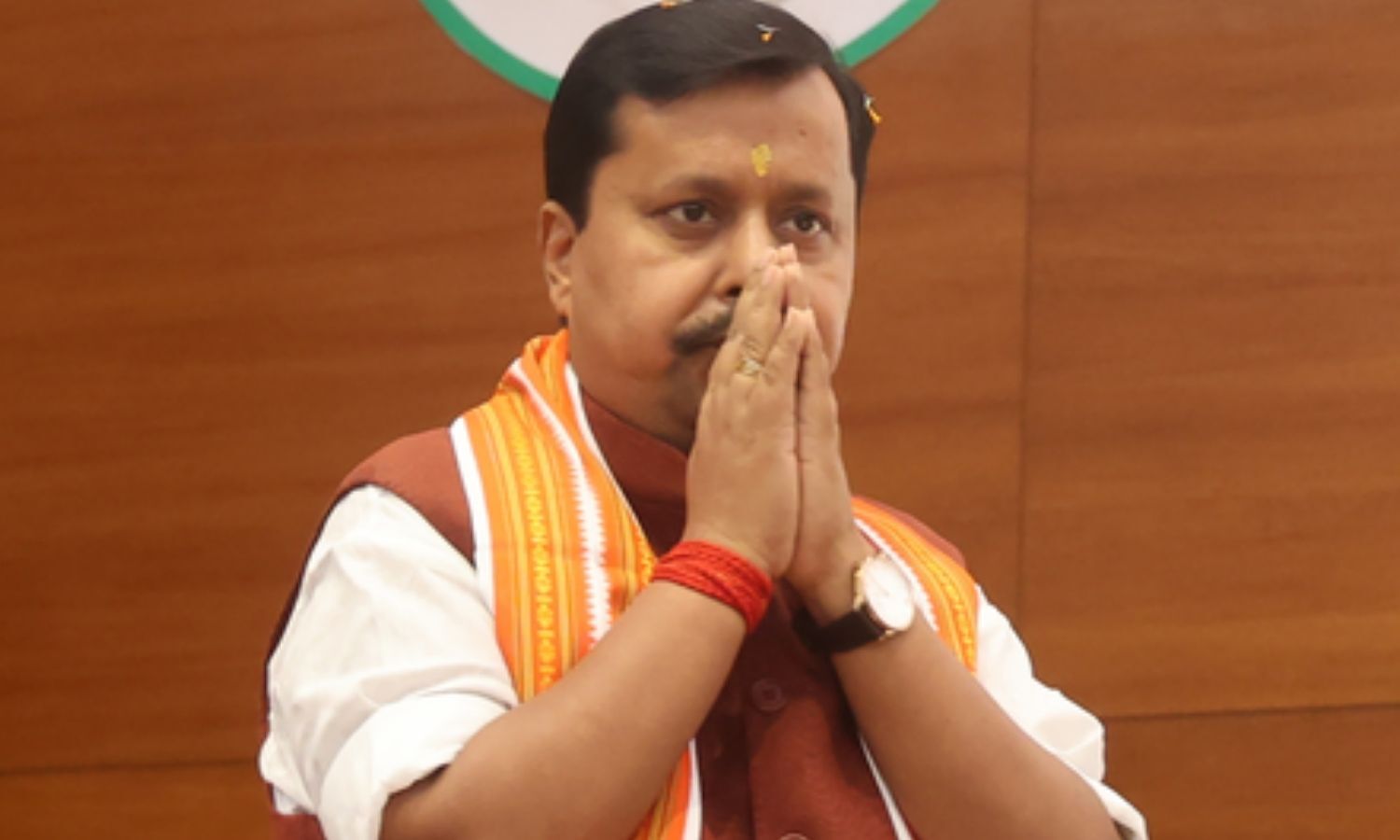
BJP Plans Direct Youth Outreach Through Social Media

Public-Sector Banks Plan Youth Push Through Digital Banking
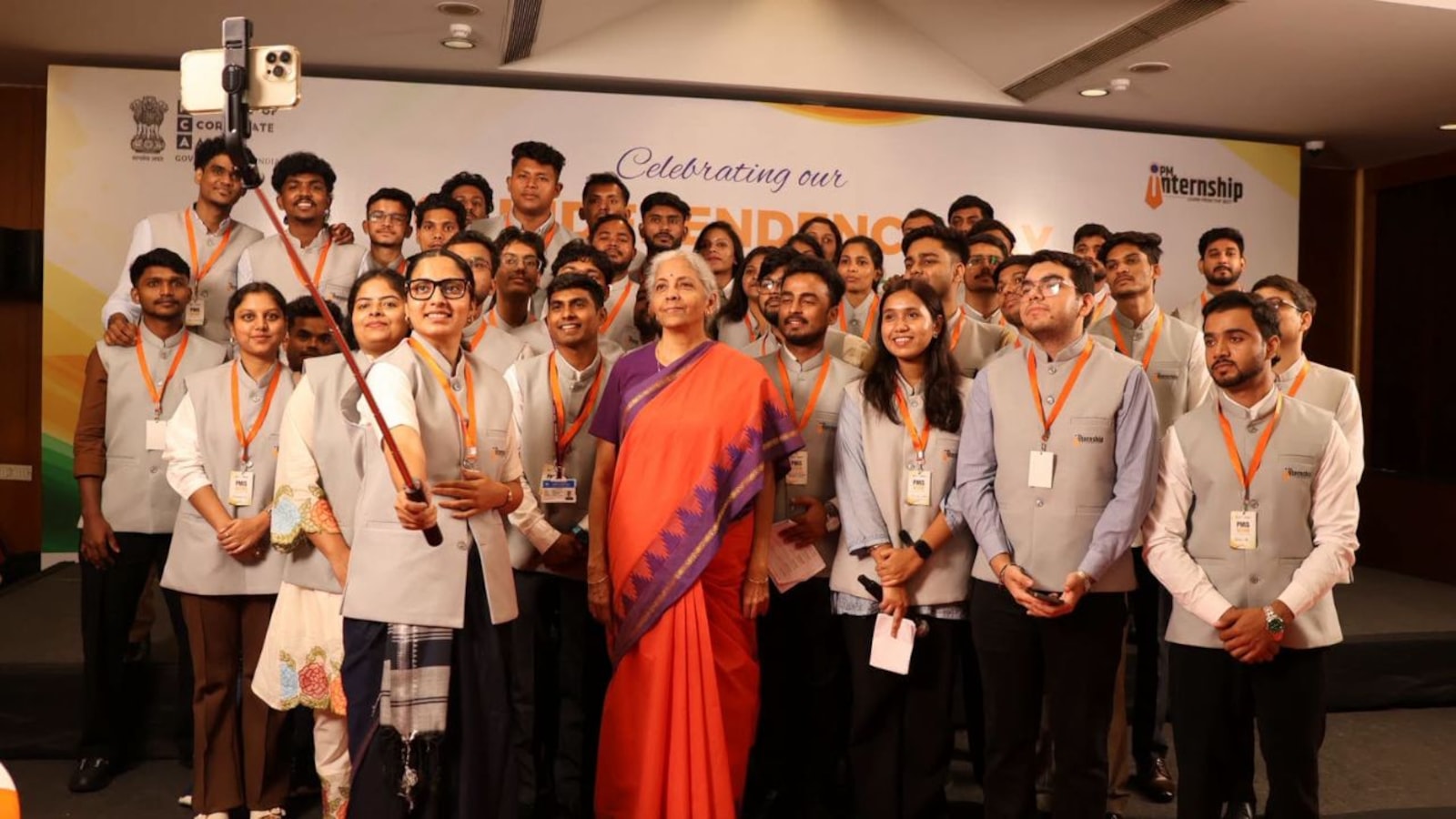
Sitharaman Tells PMIS Interns Even Small Mistakes Have Serious Consequences

PM Internship Scheme faces challenge getting youth to accept jobs
