1 hr ago
Book Traces Ganapati’s Early Evolution to Krishna River Region
A new book studies how worship of Ganapati may have developed in the Krishna river region.
The region includes parts of present-day Telangana and Andhra Pradesh.
Its author examined writings, old carvings, paintings and inscriptions spanning nearly 2,000 years.
He says early evidence can be seen in caves, at Amaravati and near the Krishna river.
The book also discusses references in old literary works such as the Gatha Saptasati and Brihathkatha.
According to the author, Ganapati traditions later spread to other parts of India.
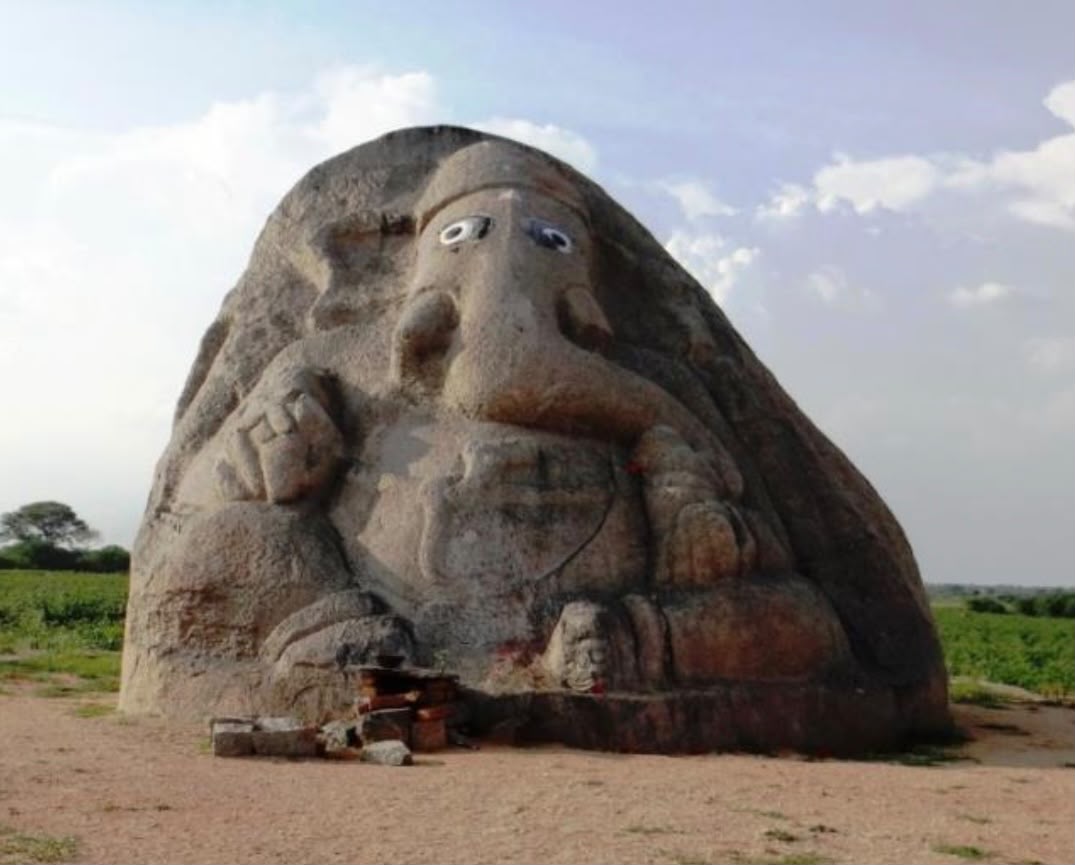
One large Ganapati sculpture in Telangana is 22 feet tall and dates to 1113 CE.
Public street celebrations began in Pune in 1893 and later reached Hyderabad.
The Khairatabad tradition of installing a very tall idol began in 1955.

A new book argues that the Krishna river region in Telangana and Andhra Pradesh played a key role in Ganapati’s early evolution.
Dr Satyanarayana Dyavananpalli’s book combines nearly 2,000 years of literary, archaeological and inscriptional evidence.
The author cites rock paintings, terracotta remains, stupa imagery and inscriptions as evidence of early Ganapati traditions.
The book traces the spread of Ganapati worship from the Telugu-speaking region to northern and other parts of the Indian subcontinent.
The article notes that public street celebrations began in Pune in 1893, Hyderabad celebrations in 1895, and Khairatabad’s tallest-idol tradition in 1955.
- Who
- Dr Satyanarayana Dyavananpalli, author of the book Mushika Vahana Gajanana — Evolution of Ganapati in Telangana.
- What
- The book examines evidence for the early evolution and spread of Ganapati traditions.
- Where
- The proposed early development area is the Krishna river region across Telangana and Andhra Pradesh, with evidence cited from sites including Amaravati, Veerapuram and Amarabad.
- When
- The book was launched on Saturday; the evidence discussed spans nearly 2,000 years, with key dates ranging from the first century BC to 1955.
- Why
- The book seeks to identify where Ganapati’s early development took place and how the tradition spread to other parts of India.
Key facts
- Book
- Mushika Vahana Gajanana — Evolution of Ganapati in Telangana
- Author
- Dr Satyanarayana Dyavananpalli
- Evidence examined
- Nearly 2,000 years of literary, archaeological and epigraphic material
- Early evidence cited
- Rock paintings at Somasila Amaragiri, remains at Veerapuram and an elephant-faced figure at Amaravati
- Tallest sculpture cited
- A 22-foot monolithic Ganapati at Avancha village, dating to 1113 CE
- Street celebrations
- Pune in 1893 and Hyderabad in 1895
- Khairatabad tradition
- The installation of the tallest Ganesh idol began in 1955
Sources
Related news
Rare 12th-Century Bala Ganesha Sculpture Found in Adilabad District
Ganesh Chaturthi Begins Across Telangana With Khairatabad Puja
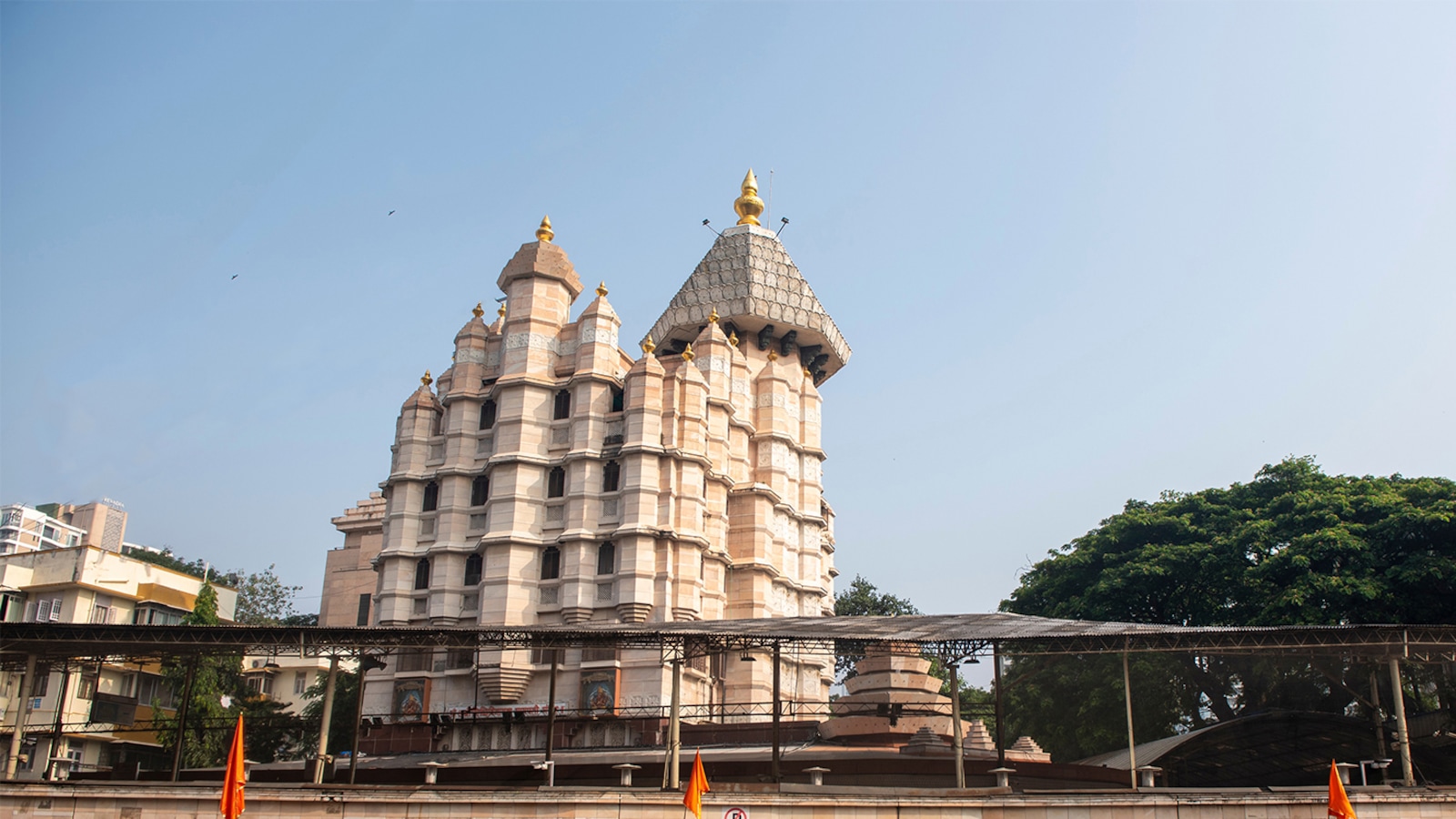
Five Iconic Ganesh Temples to Visit During Ganesh Chaturthi
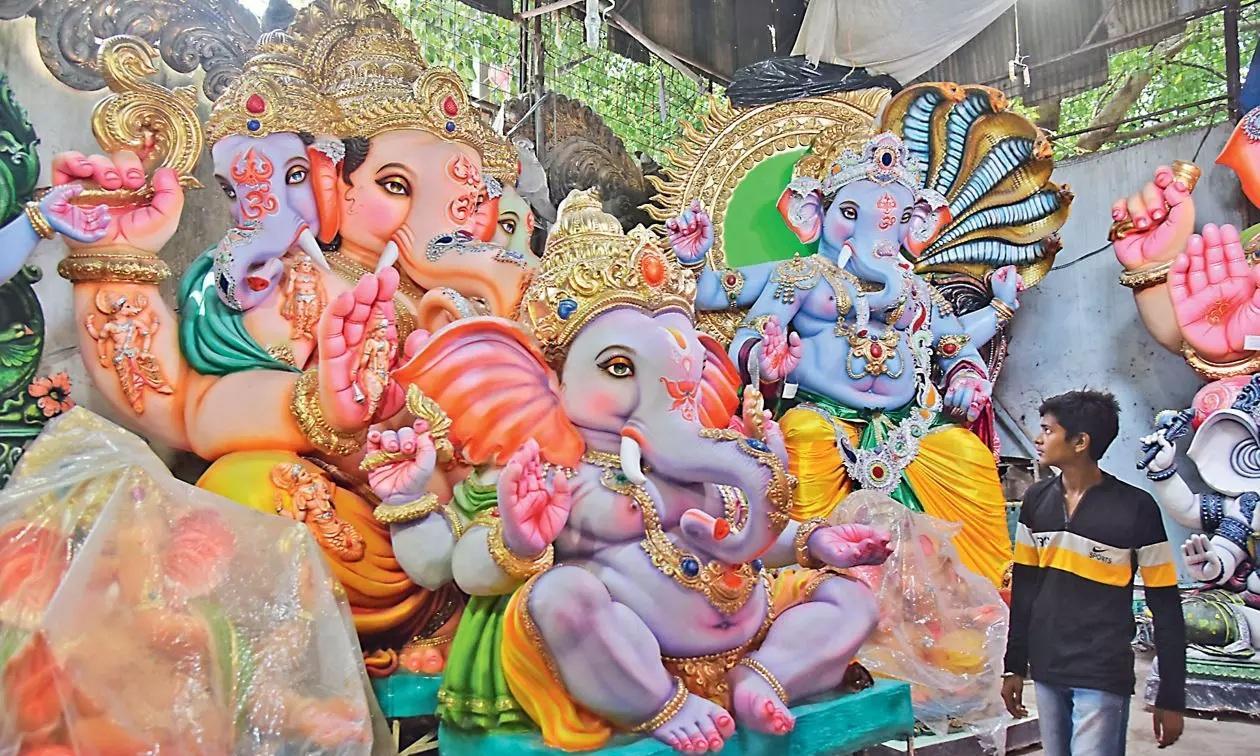
Telugu States Prepare for Grand Ganesh Chaturthi Celebrations

Tamil Nadu Temple Preserves Rare Human-Faced Ganesha Idol