2 hrs ago
Telangana Evidence Pushes India’s Stone Sculpting Tradition Earlier
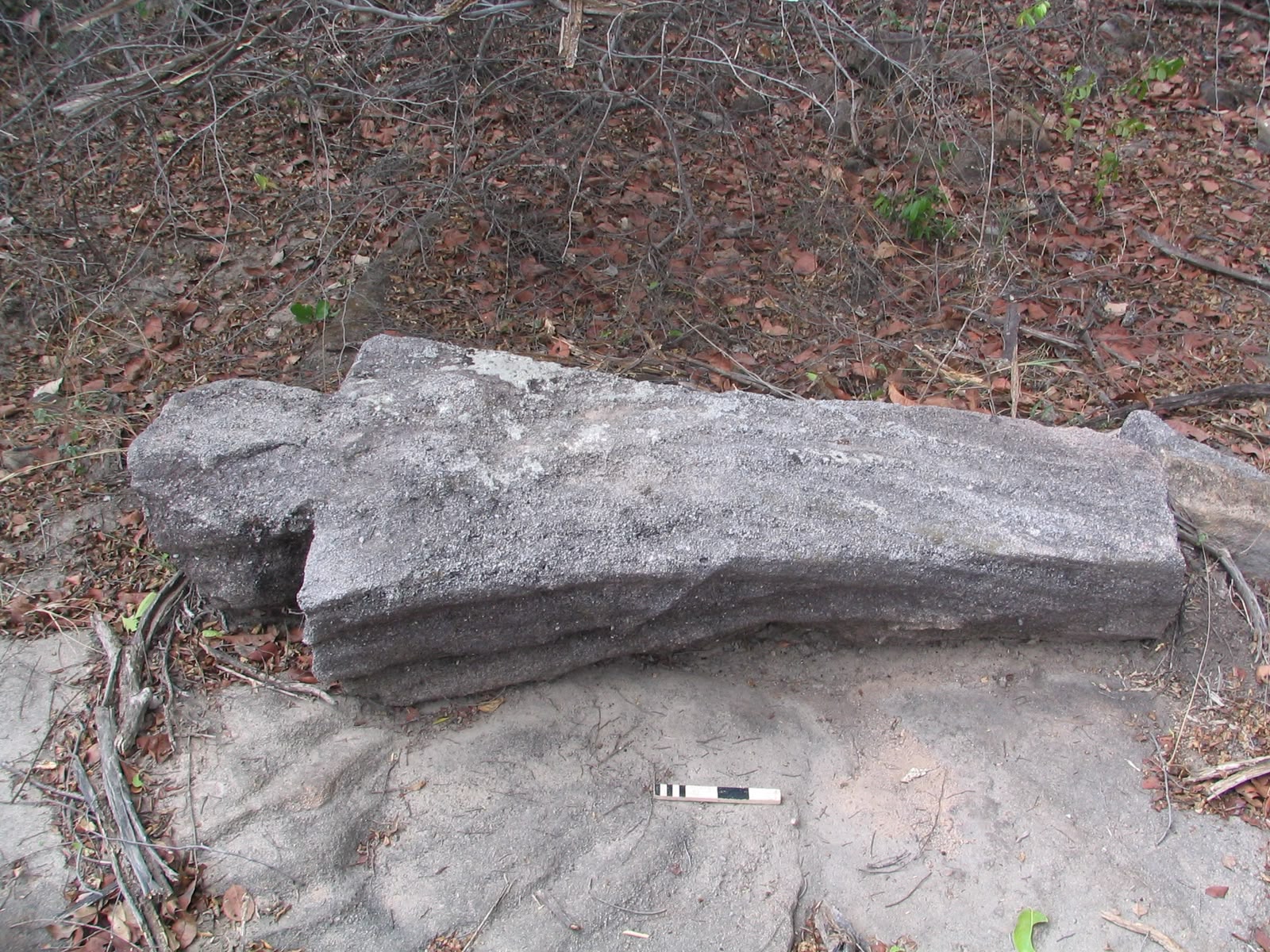
Many people thought stone sculpture in India became common during the Mauryan period.
New studies suggest people in Telangana were carving large human-like stone figures much earlier.
These figures may have been made between 1000 and 500 BCE, or possibly by at least 800 BCE.
More than 40 have been found at a place called Rakshasi Mitta.
The statues are very tall, with some reaching 2.6 metres.
So far, researchers have found figures with female features but no clearly male figures.
Scientists think the statues may have been connected to the beliefs and burial customs of ancient megalithic communities.
More exploration is needed to understand exactly when and why they were made.

Studies suggest Telangana’s megalithic stone sculptures date to at least 800 BCE.
More than 40 anthropomorphic figures have been identified at Rakshasi Mitta in Khammam district.
The statues stand 1.5 to 2.6 metres tall and display prominent female features.
Similar sculptures have been found around Warangal, Khammam, Kothagudem and Yellandu.
Experts are calling for systematic research into the sculptures’ chronology, burial practices and religious significance.
- Who
- Researchers, including Prof. K.P. Rao, are studying anthropomorphic sculptures made by ancient megalithic communities.
- What
- The sculptures provide evidence of an early stone-carving tradition in Telangana, predating the commonly cited Mauryan period.
- Where
- The largest concentration is at Rakshasi Mitta near Padugonigudem in Khammam district, with other sites in Telangana’s Godavari region.
- When
- The sculptures are broadly dated to 1000–500 BCE; the research places the tradition at least as early as 800 BCE.
- Why
- Researchers want to reassess the sculptures’ chronology and their connection to ancient burial practices and religion.
Earlier Telangana Tradition
Conventional Mauryan Dating
When Indian sculptural art began
Earlier Telangana Tradition
Prof. K.P. Rao and recent studies argue that Telangana’s megalithic anthropomorphic figures show a stone-carving tradition dating to at least 800 BCE.
Conventional Mauryan Dating
The general belief is that Indian sculptural art was revived or became established during the Mauryan period, from 321 to 185 BCE.
Earliest local tradition
Earlier Telangana Tradition
The concentration and distribution of the Telangana figures suggest that megalithic communities in the region may deserve credit for initiating this tradition on Indian soil.
Conventional Mauryan Dating
Earlier Indus Valley stone sculptures date to about 3000 BCE, although the article says it is uncertain whether those examples were made locally and their limited number does not establish a continuous local tradition.
Key facts
- Main site
- Rakshasi Mitta near Padugonigudem, Khammam district
- Number identified
- More than 40 anthropomorphic figures
- Statue height
- Approximately 1.5 to 2.6 metres
- Estimated date
- Roughly 1000–500 BCE; possibly at least 800 BCE
- Observed features
- Prominent female features; no statue with male anatomical features has been found so far
- Other locations
- Warangal, Khammam, Kothagudem and Yellandu
- Historical comparison
- Stone sculpture in India is commonly associated with the Mauryan period, dated 321–185 BCE
Quotes
Prof. K.P. Rao
Honorary professor at the University of Hyderabad and visiting faculty at Nalanda University
“In this situation, we have to consider the megalithic anthropomorphic statues as the earliest sculptural representations, and the megalithic community deserves the credit for the initiation of this art tradition on Indian soil from the Telangana region.”
 deccanchronicle.com
“Though the Indus Valley examples are dated much earlier, we are not sure whether these statues were made locally, and the limited number of examples does not suggest any local tradition.”
deccanchronicle.com
Sources
Related news
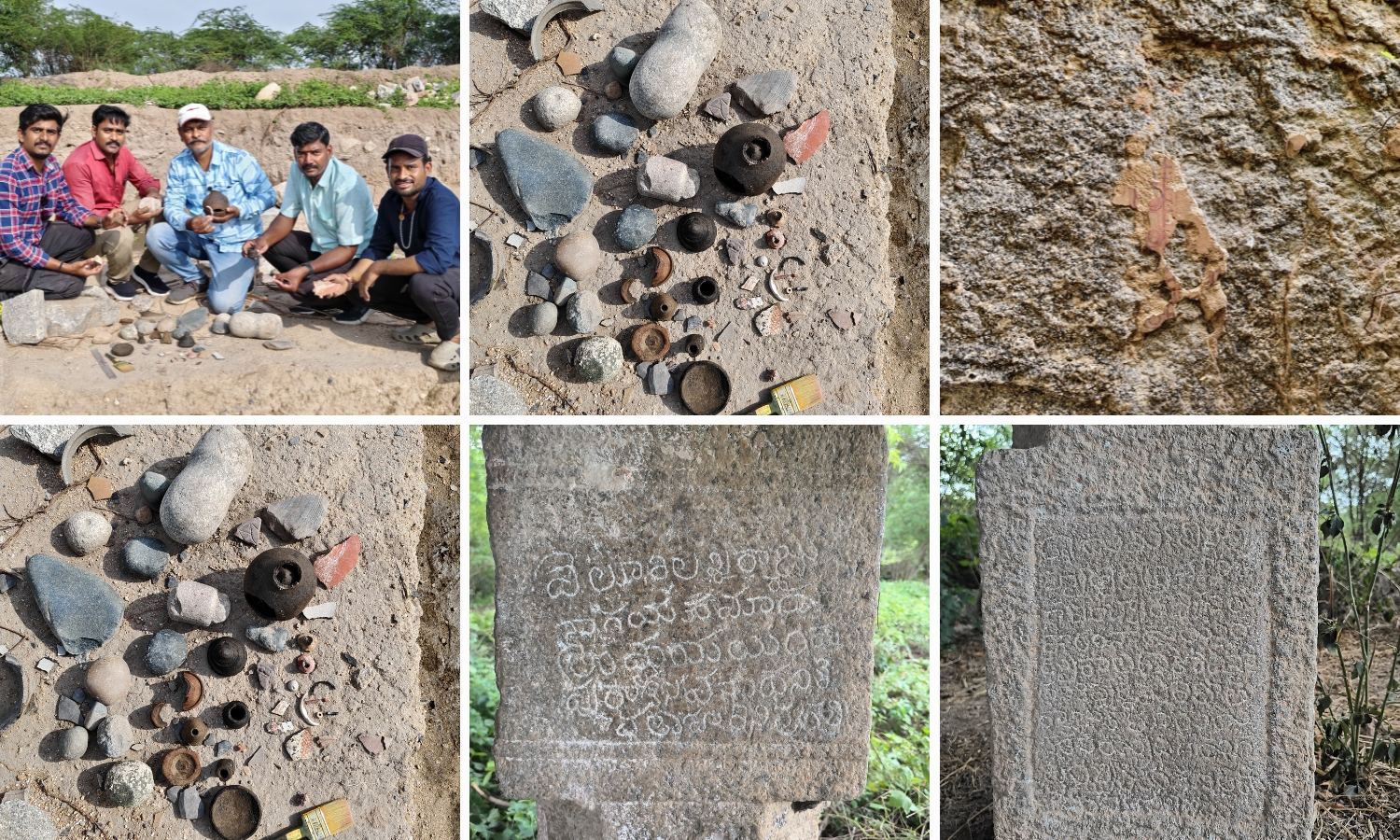
10,000-Year-Old Rock Art and Caves Found at Indrapalanagaram
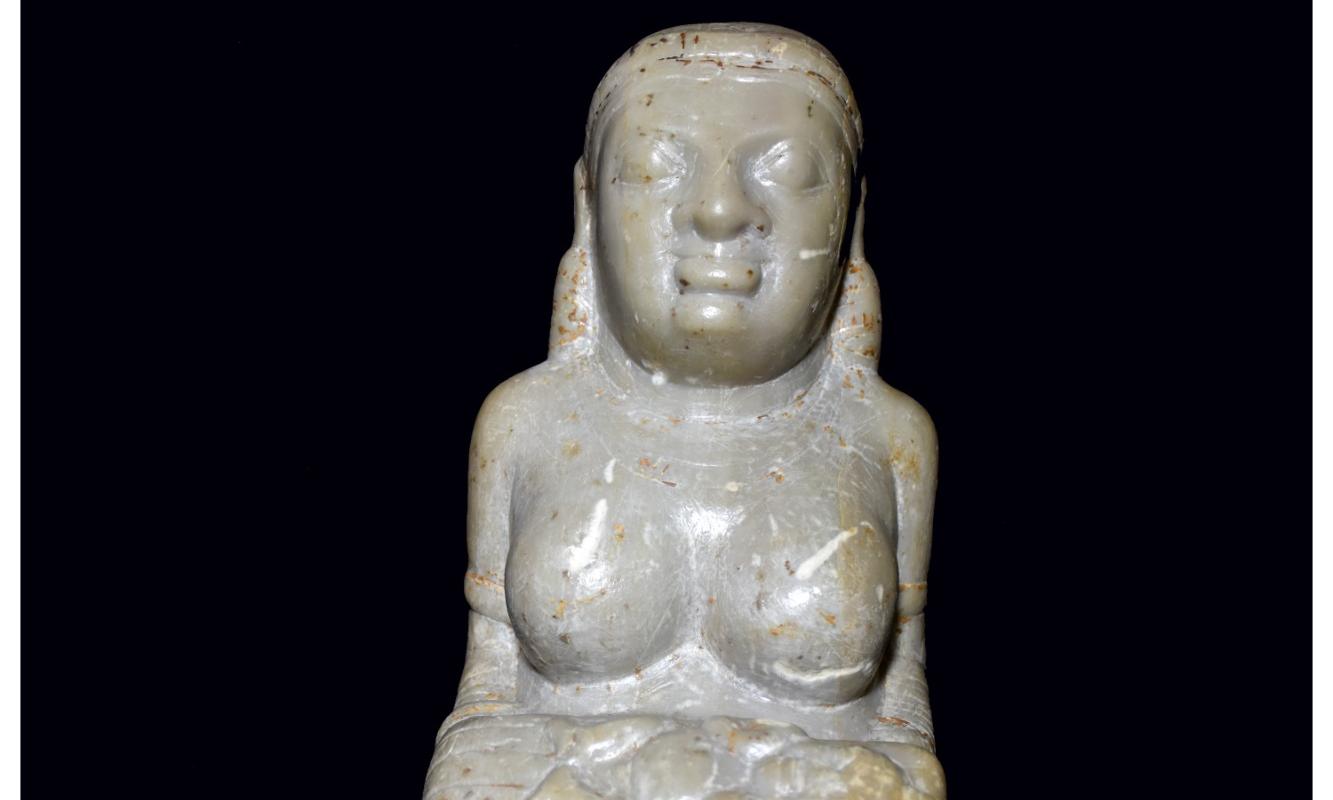
Rare Hariti Sculpture From Telangana Shines at Global Exhibition

Rayalaseema’s Ancient Heritage Faces Growing Neglect and Vandalism
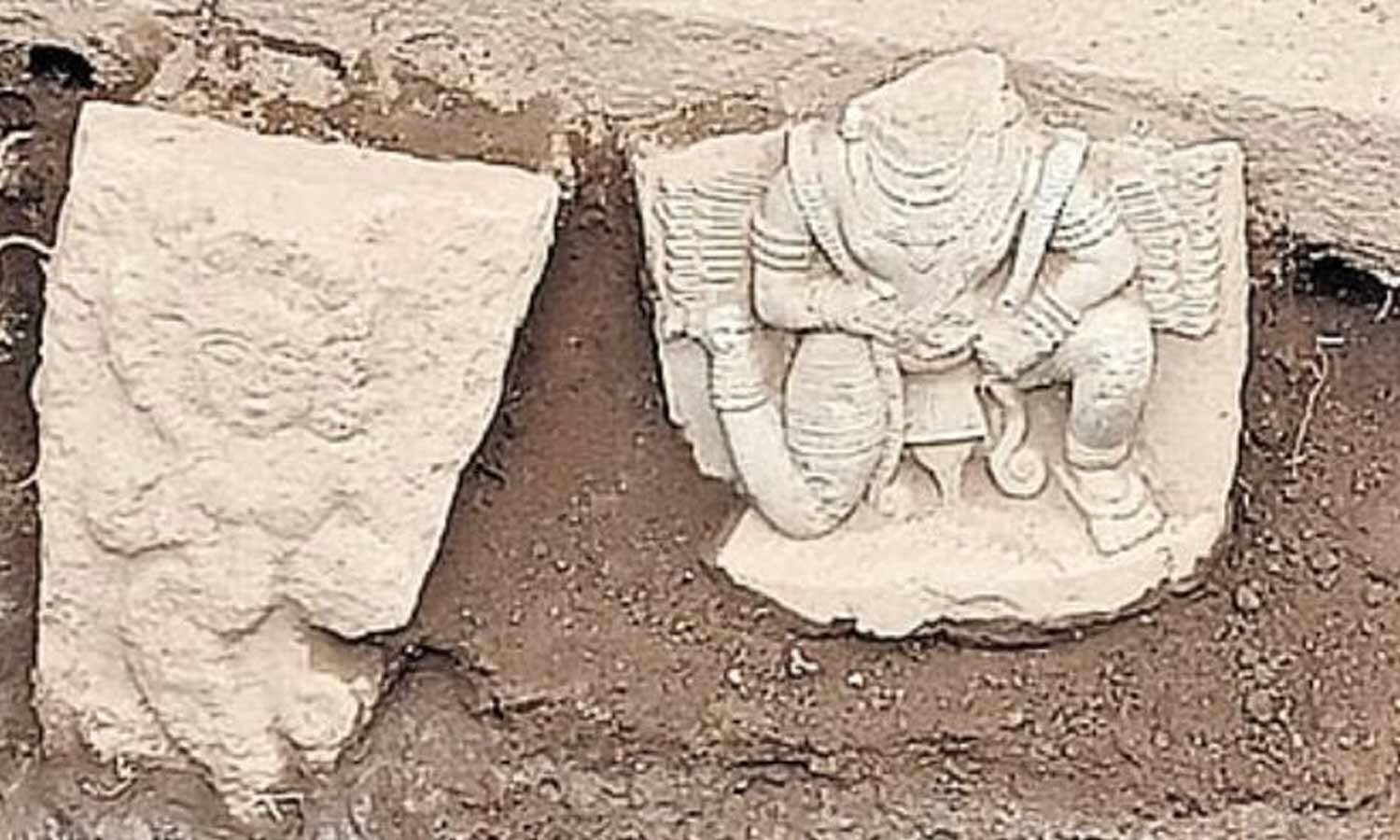
Rare Nagini and Garuda Sculptures Unearthed Near Hampi Jain Temple

Delhi Stenographers Explore Kakatiya Heritage During Warangal Study Tour
ASI Digitises 3,500 Ancient Inscriptions for Online Access
Revanth Reddy Targets Sircilla, Siddipet and Challenges KCR’s Assembly Absence

Telangana Group Urges Recognition of Tenant Farmers

Revanth Reddy Predicts Congress Landslide in 2028 Telangana Polls
Srisailam Reservoir Levels Fall, Raising Irrigation and Drinking Water Concerns