2 hrs ago
Tamil Nadu Temple Celebrates Rare Human-Faced Ganesha Idol
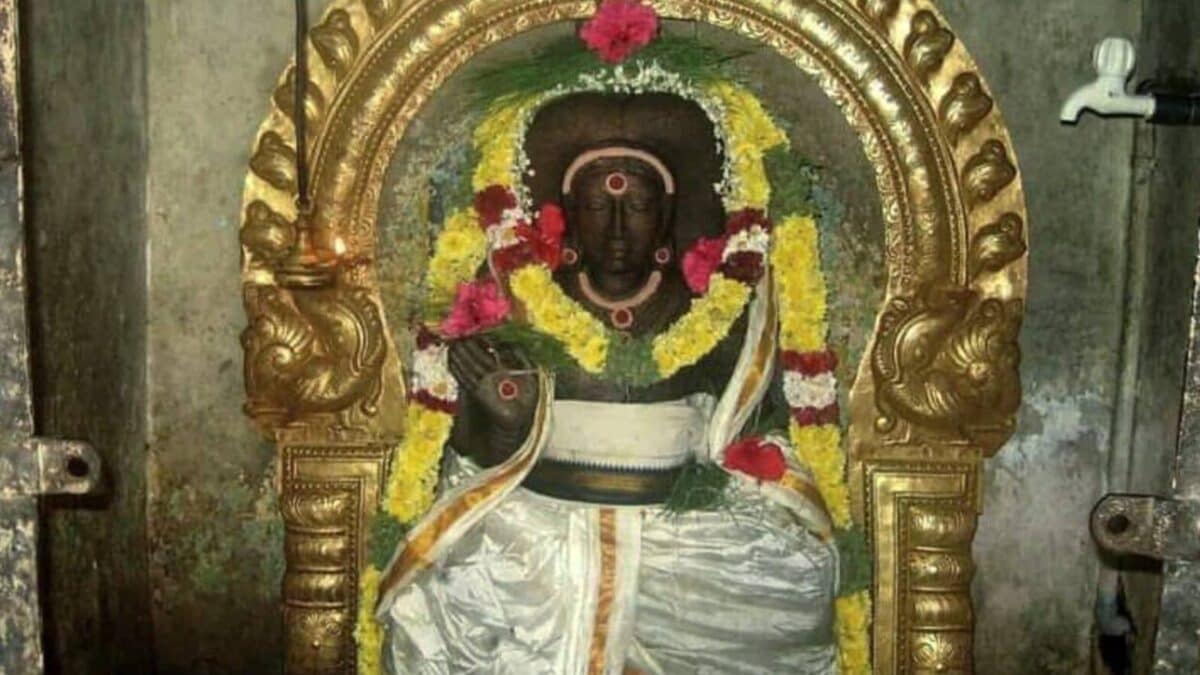
Most pictures of Ganesha show him with an elephant head.
But one temple in Tamil Nadu has a Ganesha statue with a human face.
The statue is called Nara Mukha Vinayakar.
It is about five feet tall and has a snake-shaped ornament around its waist.
Hindu stories say that Parvati first created Ganesha as a human.
Shiva later gave him an elephant head.
People believe this temple’s statue shows Ganesha from before that change.
The temple is also in a place known for rituals honoring ancestors.

The Adhi Vinayagar Temple near Koothanur in Tamil Nadu houses a human-faced Ganesha idol.
The five-foot-tall idol is worshipped as Nara Mukha Vinayakar and wears a serpent ornament around its waist.
Hindu tradition says Parvati created Ganesha in human form before Shiva replaced his head with an elephant’s head.
The shrine is also known as the Nara Mukha Vinayagar Temple and is associated with the Muktheeswarar Temple complex.
The temple is traditionally believed to date to around the seventh century, while the area is associated with ancestral tharpanam rituals.
- Who
- Devotees worship Nara Mukha Vinayakar, a human-faced form of Ganesha, at the Adhi Vinayagar Temple.
- What
- The temple houses a rare five-foot-tall human-faced Ganesha idol with a serpent ornament around its waist.
- Where
- At Thilatharpanapuri near Koothanur in Tamil Nadu’s Thiruvarur region.
- When
- The temple is traditionally believed to date to around the seventh century; the article was updated September 16, 2026.
- Why
- The idol is traditionally believed to represent Ganesha’s original human form before Shiva gave him an elephant head; the area is also associated with ancestral rituals.
Key facts
- Temple
- Adhi Vinayagar Temple, also known as the Nara Mukha Vinayagar Temple
- Location
- Thilatharpanapuri, near Koothanur, in Tamil Nadu’s Thiruvarur region
- Idol
- Nara Mukha Vinayakar, a human-faced form of Ganesha
- Height
- Five feet
- Distinctive feature
- A Naghabharanam, or serpent ornament, around the waist
- Traditional date
- Around the seventh century
- Associated complex
- Muktheeswarar Temple, dedicated to Lord Shiva and Goddess Swarnavalli
- Local significance
- Thilatharpanapuri is associated with tharpanam, a Hindu ritual honoring ancestors
Sources
Related news

Tamil Nadu Celebrates Vinayaka Chaturthi With Devotion and Creativity
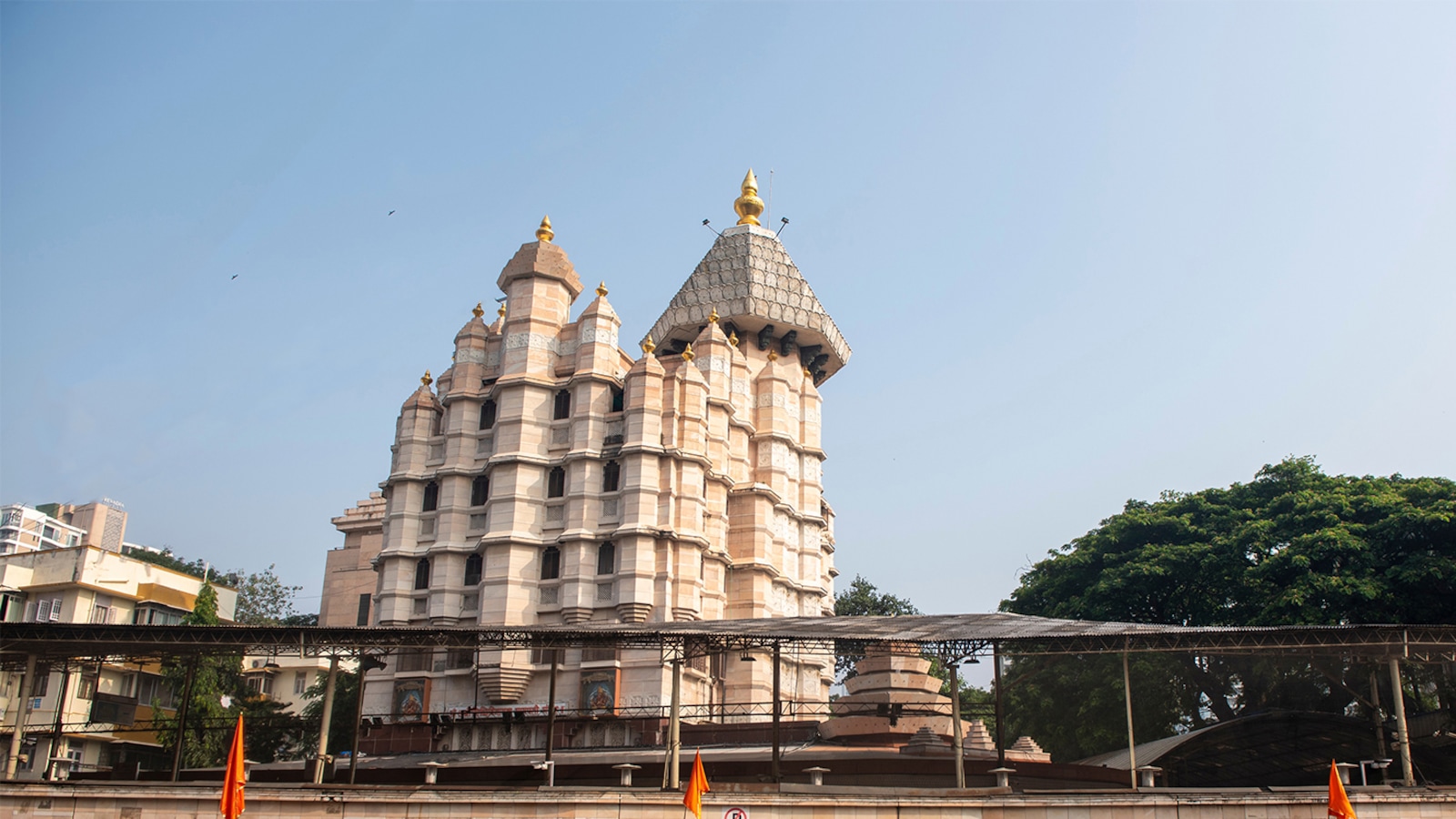
Five Iconic Ganesh Temples to Visit During Ganesh Chaturthi
Ancient Ganesha Temple in Manawar Draws Ganesh Chaturthi Devotees
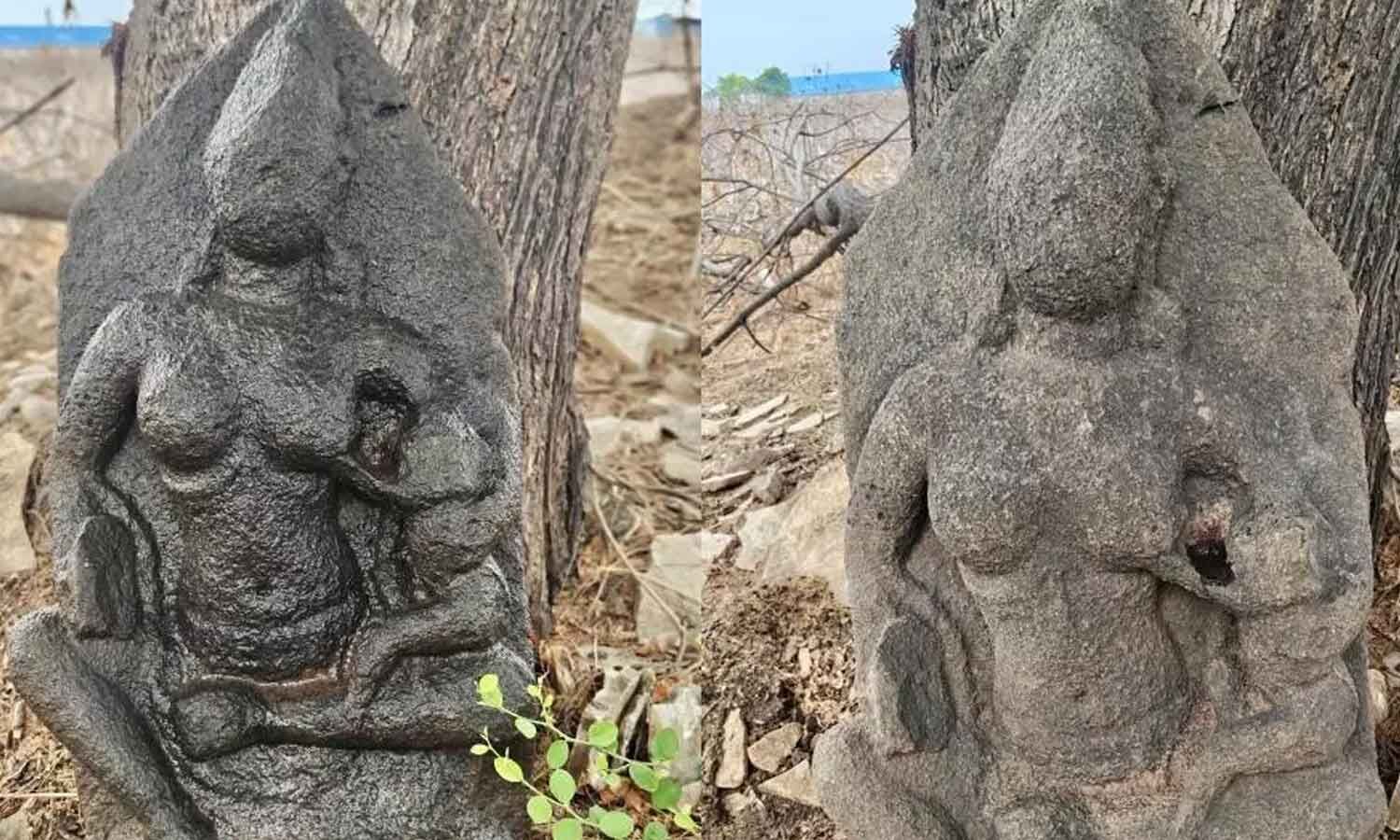
Rare 12th-Century Bala Ganesha Sculpture Found in Adilabad District
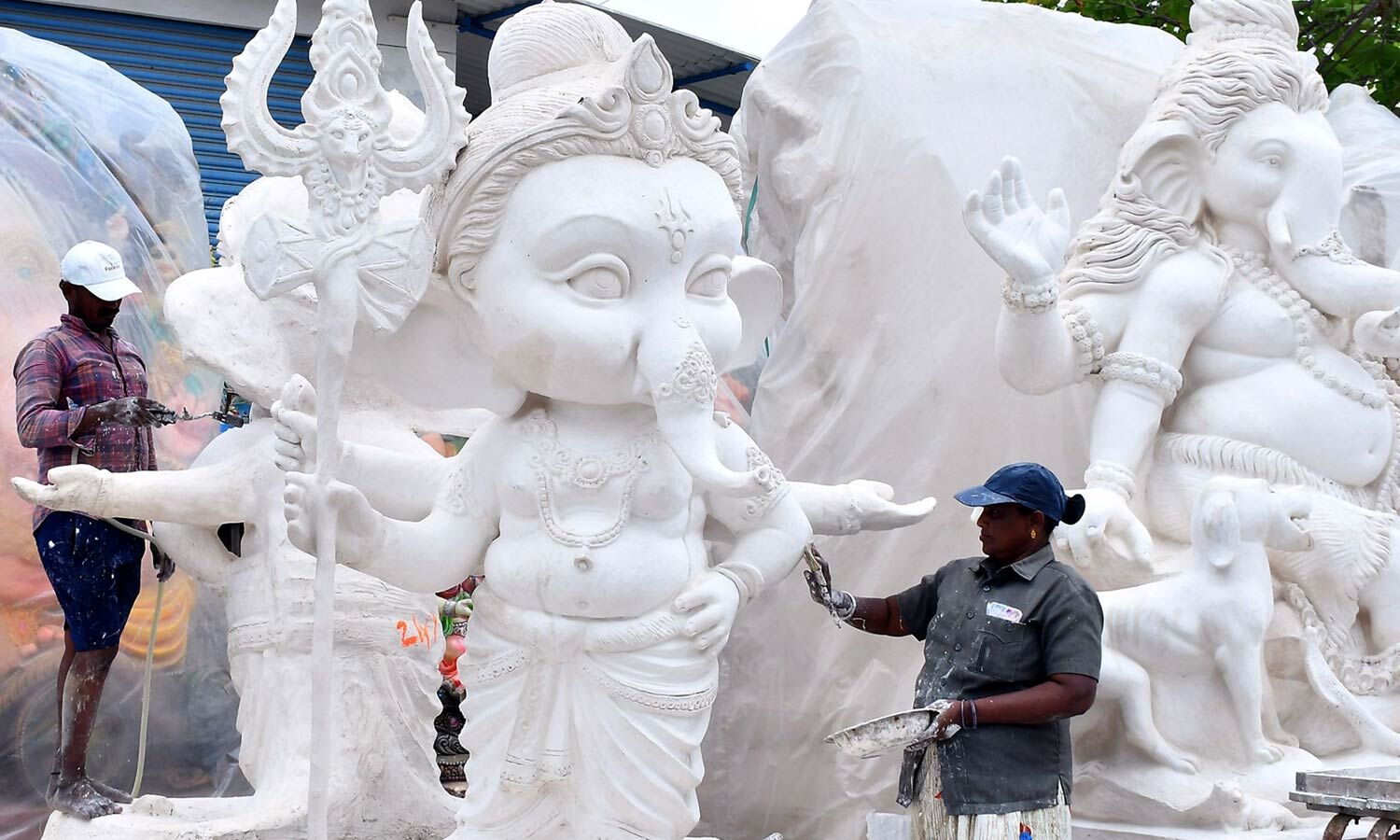
Trendy Ganesh idols drive booming Nunna festival market
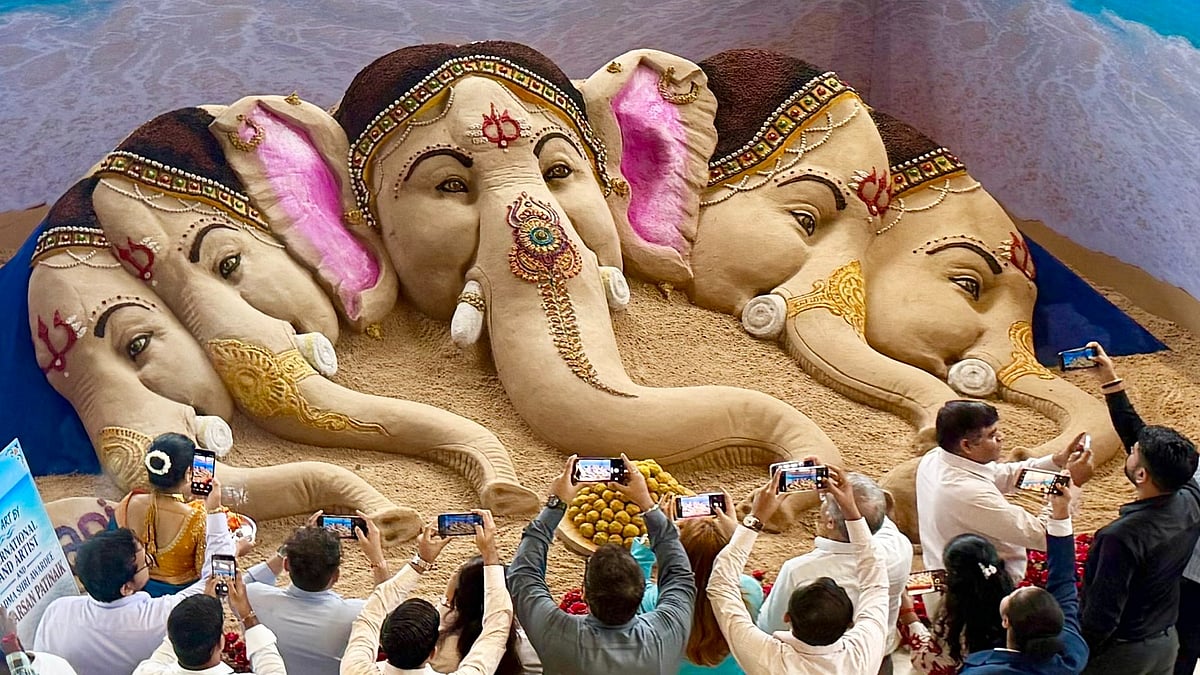
Sudarsan Pattnaik Creates Panchmukhi Ganesha Sand Sculpture In Thane
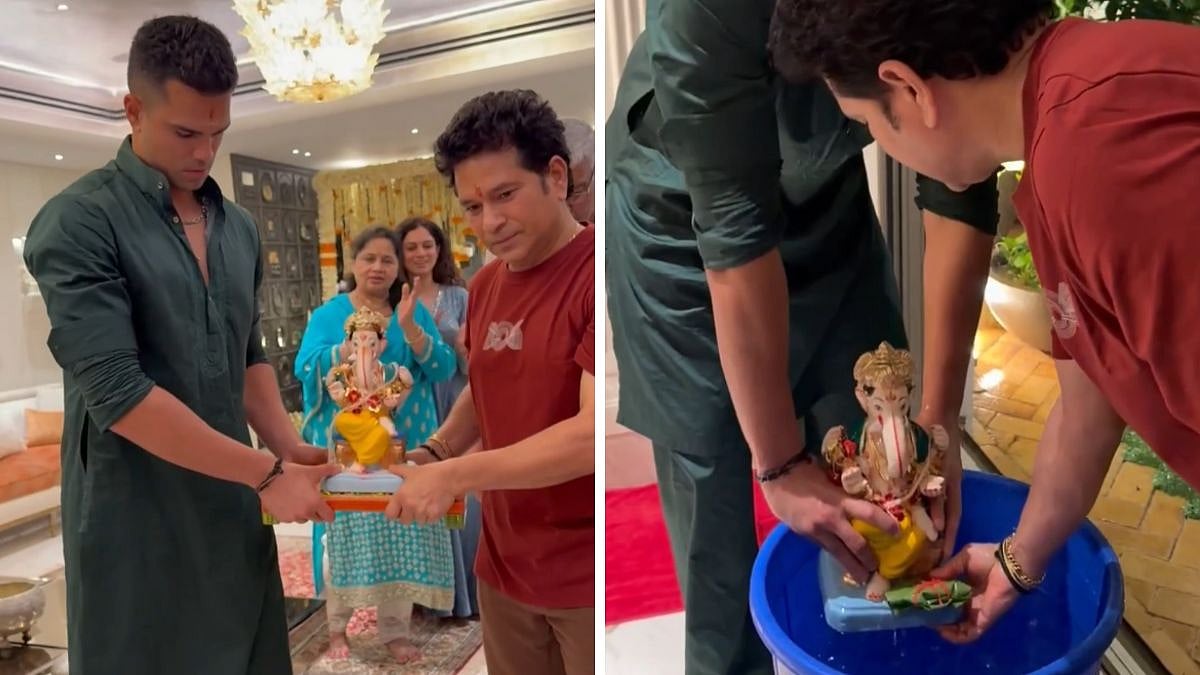
Sachin Tendulkar Bids Emotional Farewell to Ganpati Bappa
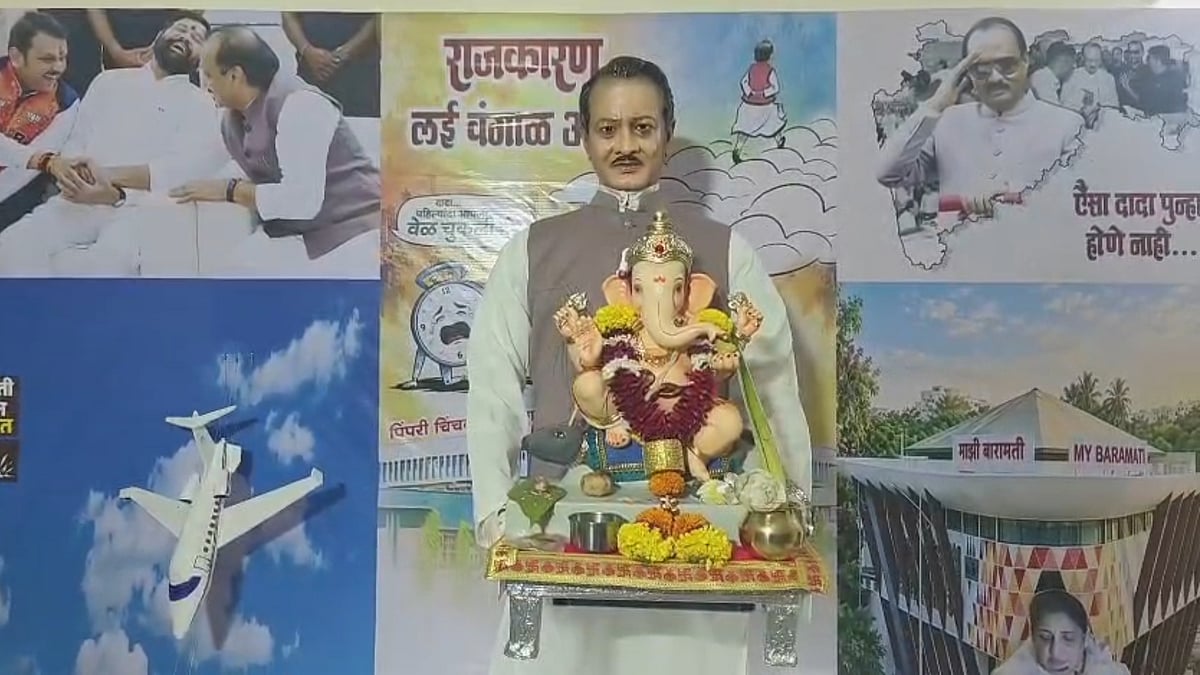
Pune Man's Lifelike Ajit Pawar Idol Draws Mixed Reactions
Mumbai Immerses Over 61,600 Ganesh Idols After One-and-a-Half Days
Ravi Kishan, Vikas Khanna Begin Ganesh Chaturthi Celebrations