3 weeks ago
Mated male pied flycatchers change song; single females avoid them
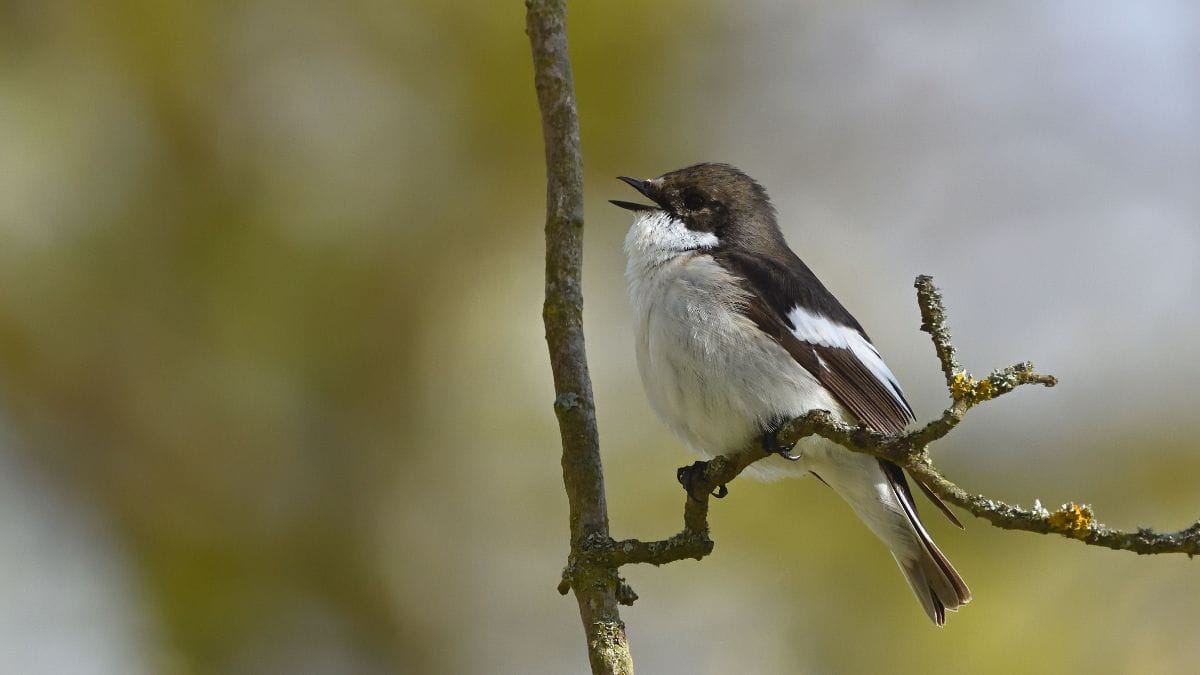
Pied flycatchers are small birds, and the males sing songs to find a mate.
Some males are a little tricky because they find one female and then fly far away to try to find another female too.
If a second female joins him, she has to share the dad, who is often away.
But the males give themselves away because their song changes after they find a mate.
The song becomes shorter and sounds more varied.
Scientists recorded 17 wild males and heard the difference.
When they played the songs to females, most females liked the songs of males who were still single.
So the females can tell which males have no partner yet and avoid the ones who already have a family.
This way, the females make sure they get a dad who stays around to help raise the chicks.

Male pied flycatchers change their song after mating, and unmated females in the area can detect the subtle change.
Polyterritorial males hold a first territory and then fly several hundred metres away to try to attract a second female.
In playback experiments, 21 out of 29 females preferred the song of an unmated male over a mated male's song.
Ethologist Helene Lampe and her University of Oslo team recorded the songs of 17 wild pied flycatchers before and after they mated.
Researchers say the song change is probably not deliberate deception but may reflect the constraints of defending separate territories.
- Who
- Ethologist Helene Lampe, her team at the University of Oslo, and wild pied flycatchers (Ficedula hypoleuca).
- What
- Male pied flycatchers alter their song after mating, and single females use these changes to avoid pairing with already-mated, polyterritorial males.
- Where
- The study was carried out by researchers at the University of Oslo; the specific field site is not stated in the articles.
- When
- Not specified in the articles; the findings appeared in a recent study published in the journal Ethology.
- Why
- Males benefit from polygynous mating while females benefit from monopolising male parental care, creating a conflict of interest between the sexes.
Key facts
- Species
- Pied flycatcher (Ficedula hypoleuca)
- Key finding
- Male song becomes shorter and more varied after mating
- Female response
- 21 of 29 females preferred the song of an unmated male in playback tests
- Males recorded
- 17 wild pied flycatchers
- Researchers
- Helene Lampe and team, University of Oslo
- Journal
- Ethology
- Male strategy
- Polyterritorial males fly several hundred metres to attract a second female
- Study title
- Female Pied Flycatchers Ficedula hypoleuca Can Discriminate Between Songs of Unmated and Mated Males and Avoid Being Deceived Into Polygyny
Quotes
Researchers
Authors of the study
“We suggest that an increased syllable switching between songs of mated males can be related to constraints of defending separate territories towards male intruders, including male neighbours and prospecting males.”
 theprint.in
“A classic conflict of interest between the sexes occurs when males benefit from polygyny whereas females benefit from monopolising male parental care.”
theprint.in
Sources
Related news
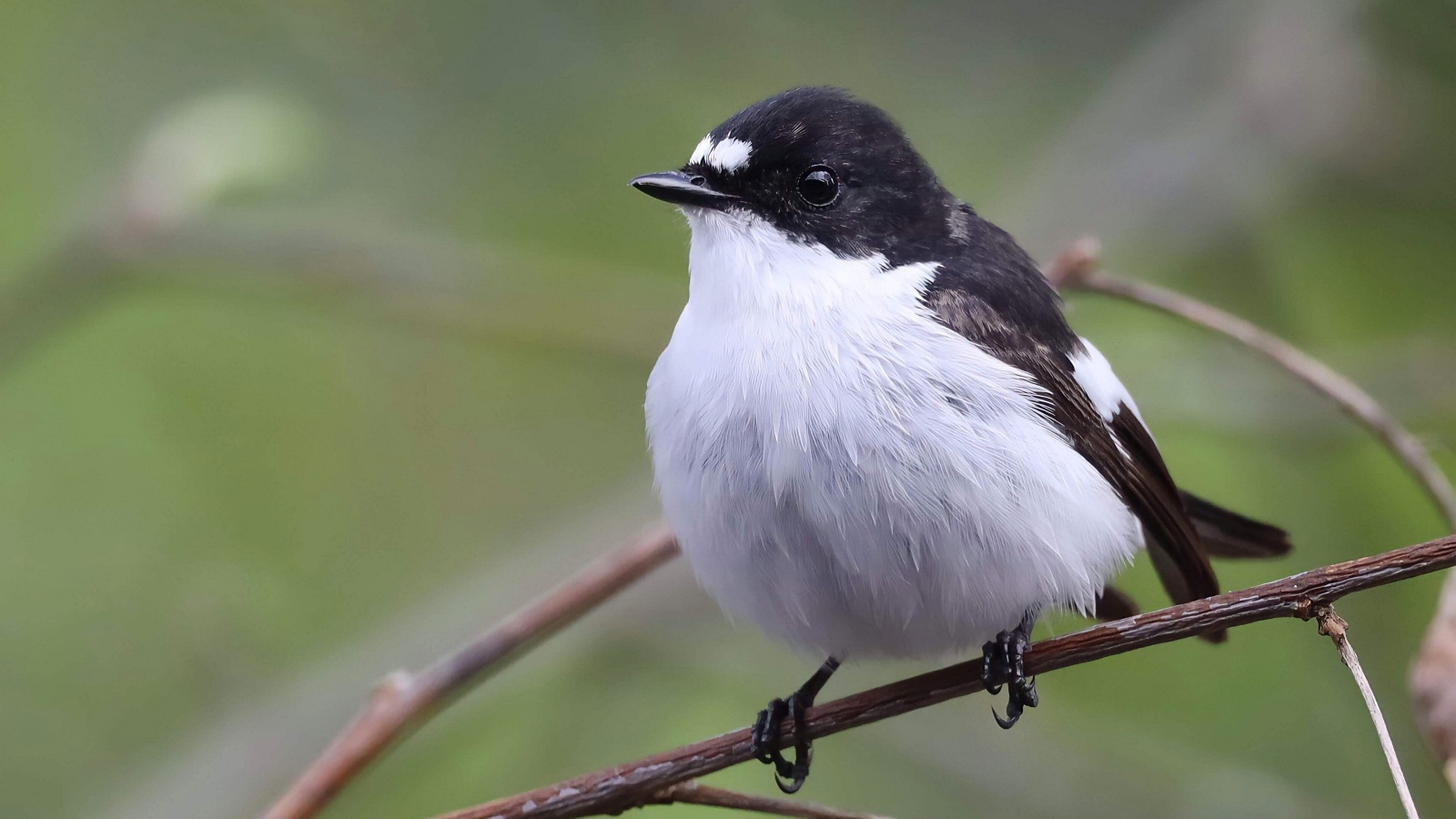
'Cheating' male flycatchers change their tune, and females can tell
Oriental Pied Hornbill Hijacks Nests in Delhi’s Lodhi Gardens

Why Male Blackbucks Turn Black as They Mature

Mausi the Hornbill Reveals How Delhi Birds Adapt

When Love Meets Different Dreams, Compromise Needs Boundaries
Ahmedabad study links starling murmuration shapes to predator threat