1 week ago
Why Male Blackbucks Turn Black as They Mature

Baby blackbucks are usually light brown, whether they are male or female.
Male blackbucks slowly grow darker as they get older.
The change often starts around the neck and shoulders and spreads across the back.
This usually happens at about three years of age, when males approach sexual maturity.
Adult males also grow long, spiral-shaped horns.
Their dark coat, horns and behavior help show that they are mature males.
Female blackbucks usually stay light brown, which may help them blend into grasslands.
A male's coat can become lighter in summer and darker after the rains.
These animals depend on India's grasslands, scrub and lightly wooded areas for survival.

Male blackbucks begin life with a light fawn coat and gradually darken as they mature.
A 2009 study at Mahendra Chaudhary Zoological Park recorded darker hair appearing first around the neck and shoulders.
The darker coat usually begins developing at about three years old, near sexual maturity.
The coat is part of a broader set of male traits that includes spiralling horns, aggression, scent marking and territorial behavior.
Male coats may fade during summer and become darker and more lustrous after the rains, while females generally remain fawn-coloured.
- Who
- Male blackbucks, a species found in India, develop the dark coat; females generally remain fawn-coloured.
- What
- The article explains how and why male blackbucks gradually develop their characteristic black-and-white coat.
- Where
- The species lives in Indian grasslands, scrub and lightly wooded areas; the cited coat study was conducted at Mahendra Chaudhary Zoological Park in Chhatbir.
- When
- The darker coat generally begins appearing at around three years of age and can change seasonally.
- Why
- The coat is associated with sexual maturity and reproduction-related traits, while females' lighter colouring blends more closely with their habitat.
Key facts
- Species
- Blackbuck (Antilope cervicapra)
- Coat development
- Males gradually change from fawn to dark brown or black across the upper body.
- Approximate starting age
- Around three years old.
- Initial darkening
- Darker hair first appears around the neck and shoulders before spreading across the back and sides.
- Seasonal change
- The male coat may fade during summer and regain a darker appearance after the rains.
- Female coloration
- Females generally retain fawn or yellowish-brown colouring.
- Conservation status
- The species is listed as Least Concern globally by the IUCN and protected under Schedule I of India's Wildlife (Protection) Act.
Sources
Related news
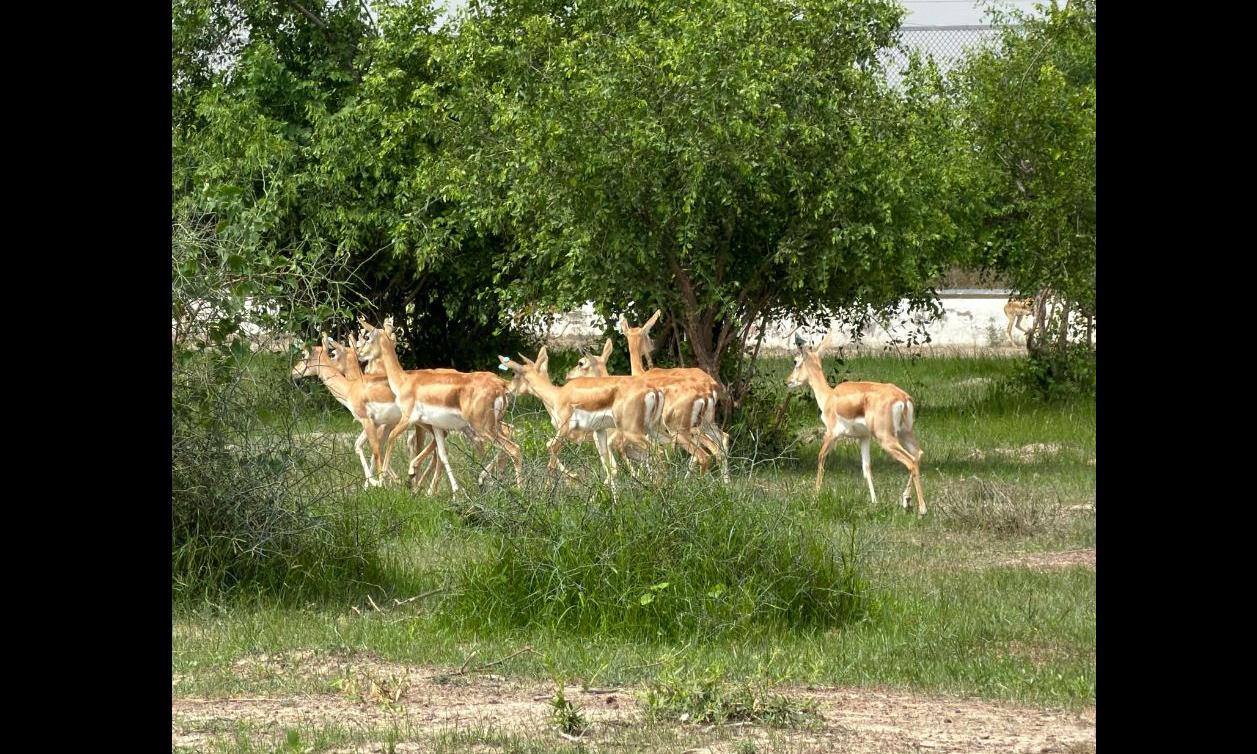
Gujarat releases 20 blackbucks in Banni Grasslands on Independence Day
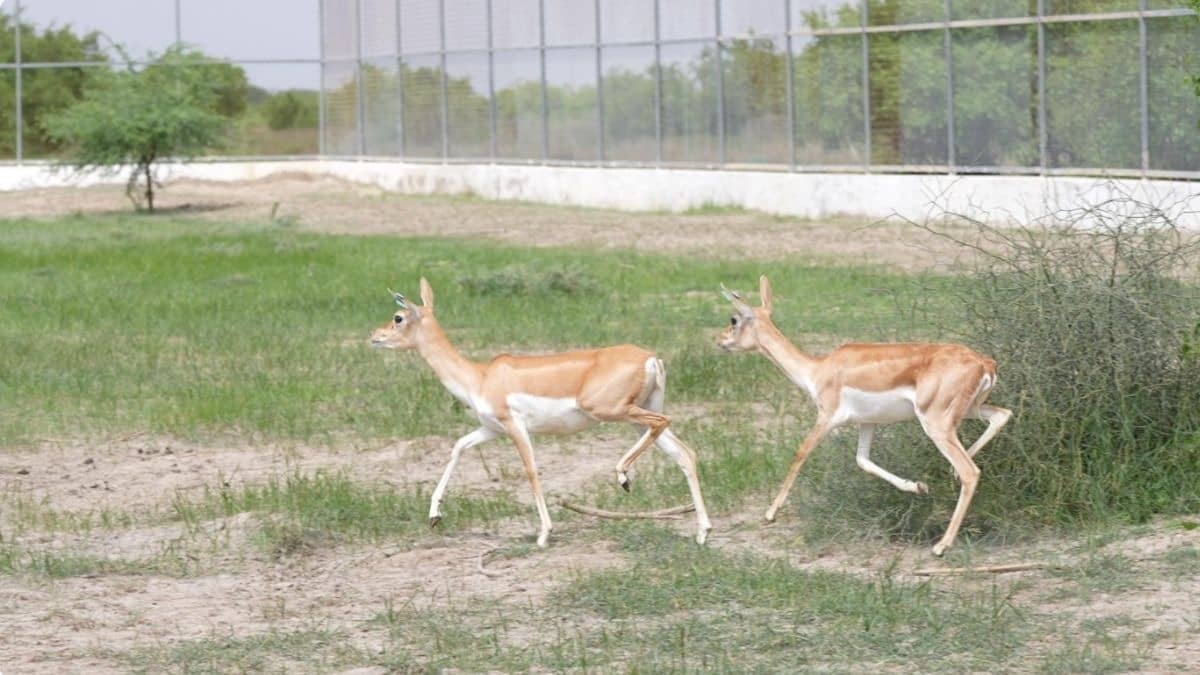
20 Blackbucks Rewilded in Banni Grassland to Restore Native Wildlife
Six Arrested Over Alleged Blackbuck Poaching in Bidar Grassland

Banni Grassland Revival Could Elevate Kutch’s Global Tourism Profile
Cheetahs and Leopards: Key Differences in Appearance and Behavior
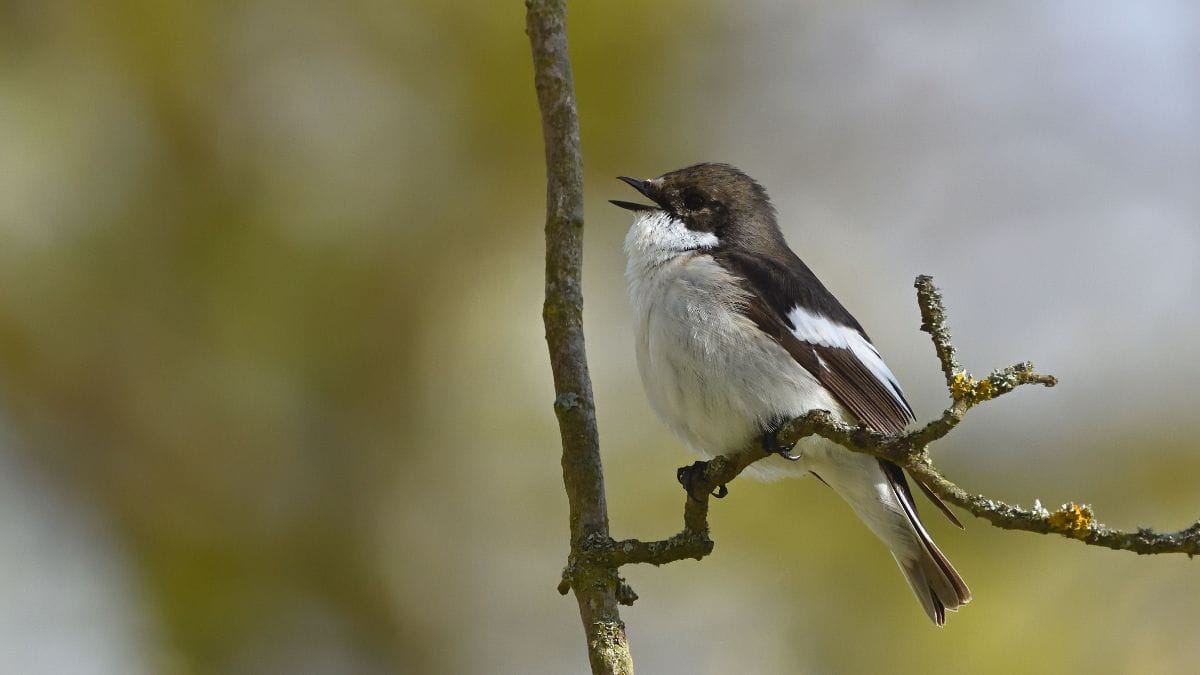
Mated male pied flycatchers change song; single females avoid them

Bihar Warns Against Unknown Fish Carried By Nepal Floodwaters
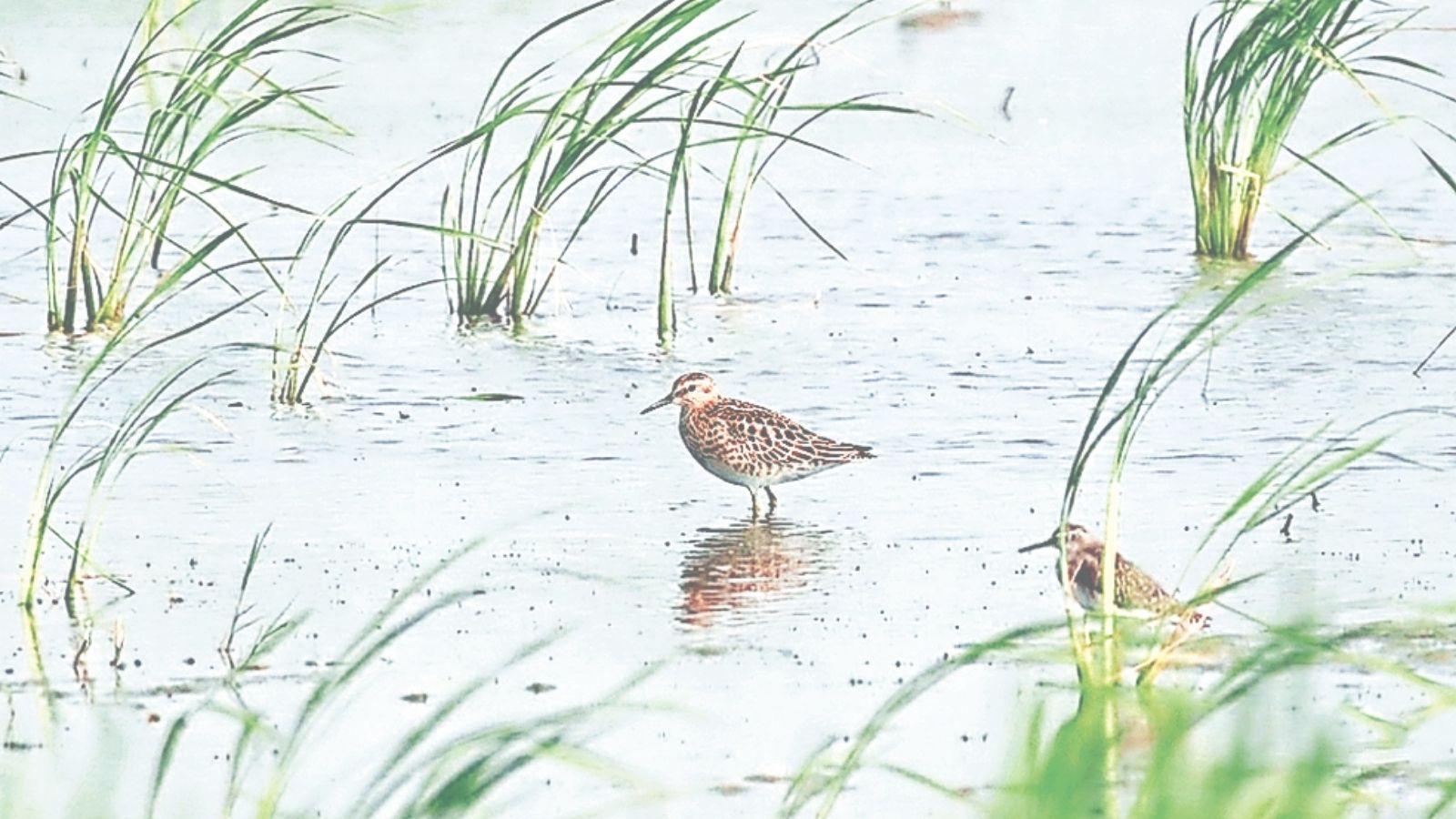
Rare Sharp-Tailed Sandpiper Spotted at Najafgarh in Fifth Indian Record

UNCCD CoP 17 Highlights Grassland Restoration and Drought Resilience
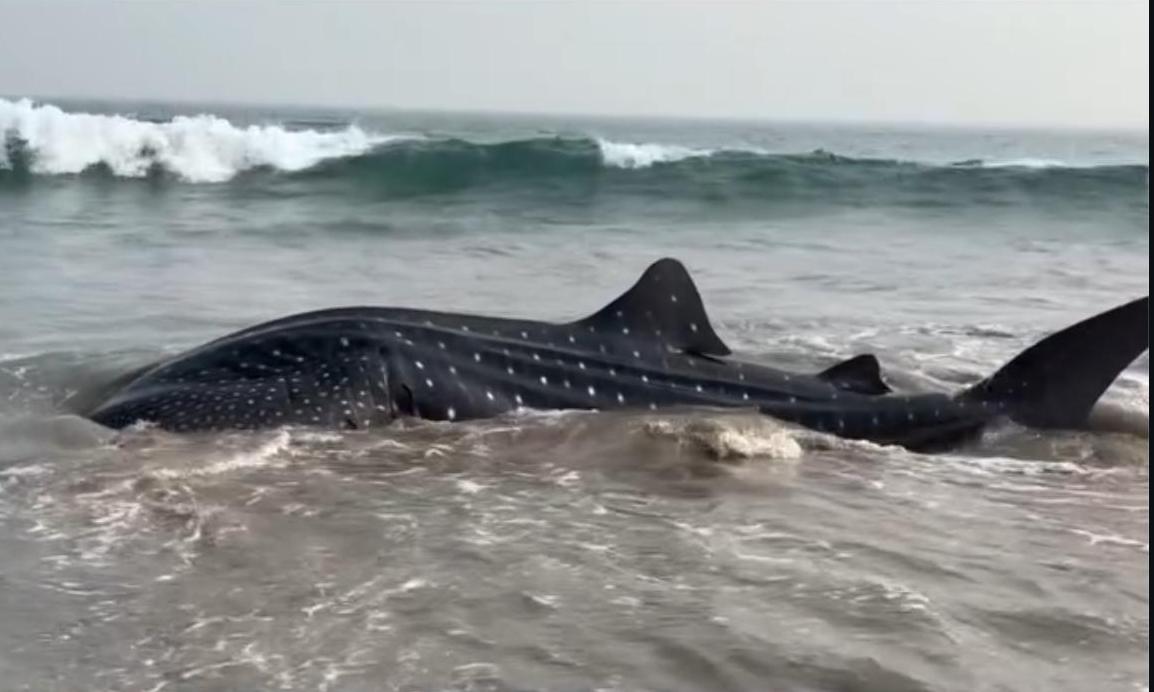
Ecologists Seek Marine National Parks Along Andhra Pradesh Coast
Perungulam Wetland Moves Toward Ramsar Recognition in Tamil Nadu