1 hr ago
Supreme Court Panel Finds Student Distress and Suicidal Thoughts Widespread
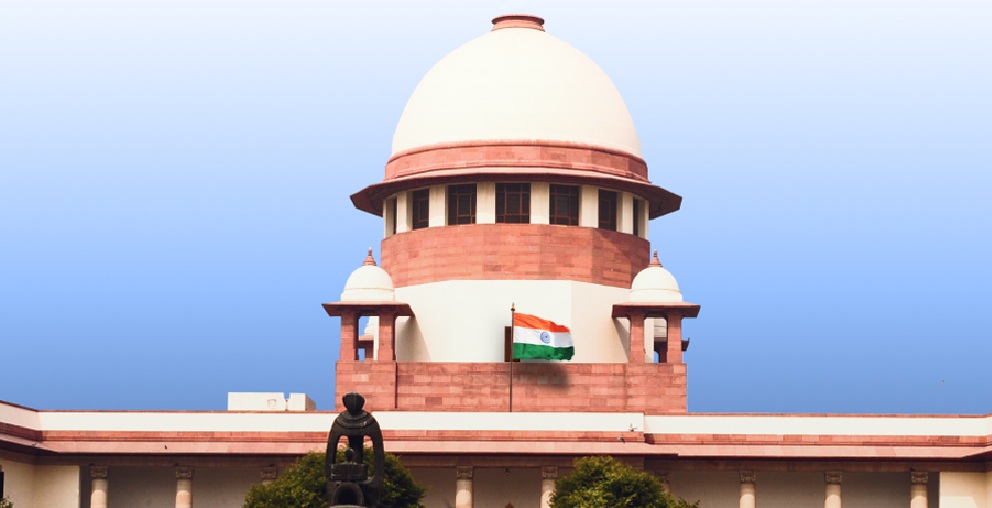
A Supreme Court-appointed group studied the mental health of students in colleges and universities.
More than 2.43 lakh students answered the survey.
About 15 out of every 100 students said they had recently felt extremely distressed or anxious for weeks.
About nine out of every 100 said they often or very often had thoughts of suicide during the past year.
Around one-third said they sometimes felt like outsiders at their colleges.
Many students described pressure from classes, attendance rules, competition and worries about jobs.
Some also reported discrimination, harassment and a lack of academic or counselling support.
The group said the survey is not fully representative yet, so its results should be treated carefully.
It plans to recommend better support systems and other steps to help students.

A survey of more than 2.43 lakh higher-education students found 15% had recently experienced prolonged distress or low moods.
Nine per cent reported experiencing suicidal thoughts often or very often during the past year.
About 34% of respondents said they felt like outsiders on campus to some extent.
Roughly 32% said their institutions did not offer counselling services, while 56% trusted administrators to handle serious issues fairly.
The panel linked student concerns to academic pressure, discrimination, inadequate support and employment worries, while cautioning that the findings are preliminary.
- Who
- The Supreme Court-appointed National Task Force, led by Justice S Ravindra Bhat, surveyed students in higher educational institutions.
- What
- The survey examined student distress, suicidal thoughts, campus belonging, counselling access and institutional concerns.
- Where
- The survey covered higher educational institutions nationwide, while institutional visits took place in Delhi and NCR, Tamil Nadu, Karnataka, Assam and West Bengal.
- When
- The survey asked about distress during the previous six months and suicidal thoughts during the past year; the final report is expected by October 31.
- Why
- The task force was created to address rising student suicides and mental-health and well-being concerns in higher education.
Urgent Reform
Methodological Caution
How to interpret the findings
Urgent Reform
Emerging patterns point to an urgent need for standardized student-support systems, faculty training, stigma reduction, crisis procedures and regular monitoring.
Methodological Caution
The current sample is not representative, and the small number of institutional visits means the observations are preliminary and tentative.
Sources of student distress
Urgent Reform
Students reported academic overload, intense competition, discrimination, harassment, weak support and employment worries as serious concerns requiring institutional action.
Methodological Caution
The task force has not finished analysing all responses, including open-text answers, so the full range and prevalence of these concerns remain under review.
Key facts
- Survey respondents
- More than 2.43 lakh students
- Reserved-category respondents
- 67% belonged to SC, ST and OBC categories
- Recent distress
- 15% reported a period of severe distress, low mood or anxiety lasting several weeks in the previous six months
- Suicidal thoughts
- 9% reported experiencing them often or very often during the past year
- Campus belonging
- 34% said they felt like outsiders on campus to varying degrees
- Counselling access
- About 32% said their institution did not offer counselling services
- Institutional visits
- 30 meetings were held at 19 institutional sites
Quotes
A senior National Task Force official
An official involved in the Supreme Court-appointed National Task Force survey
“About 15 per cent students recalled a period in the previous six months when they felt very overwhelmed or distressed, or experienced low moods or anxiety continuously for several weeks. Nine percent reported experiencing suicidal thoughts often or very often in the past year.”
 deccanchronicle.com
“Responses to many other items, including open-text fields, are still being analysed. Moreover, due to non-representativeness of the current sample, the observations need to be taken as preliminary and tentative.”
deccanchronicle.com
Sources
Related news
IIT Bombay Death Renews Scrutiny of Student Suicide Crisis
India Urged to Create Law Protecting Students in Higher Education

IIT Bombay Death Sparks Questions Over India’s Higher Education System
IIT Bombay Student Suicide Renews Questions About Institutional Accountability
Higher Education Needs Reform Beyond Ceiling Fan Replacements
India, France Discuss Mobility as Joshi Proposes IIT Campus
Andheri Flyover Repairs Rise Above ₹130 Crore, Delayed To 2026
RTI Finds No ST Professors at IIT Bombay Amid Vacancies
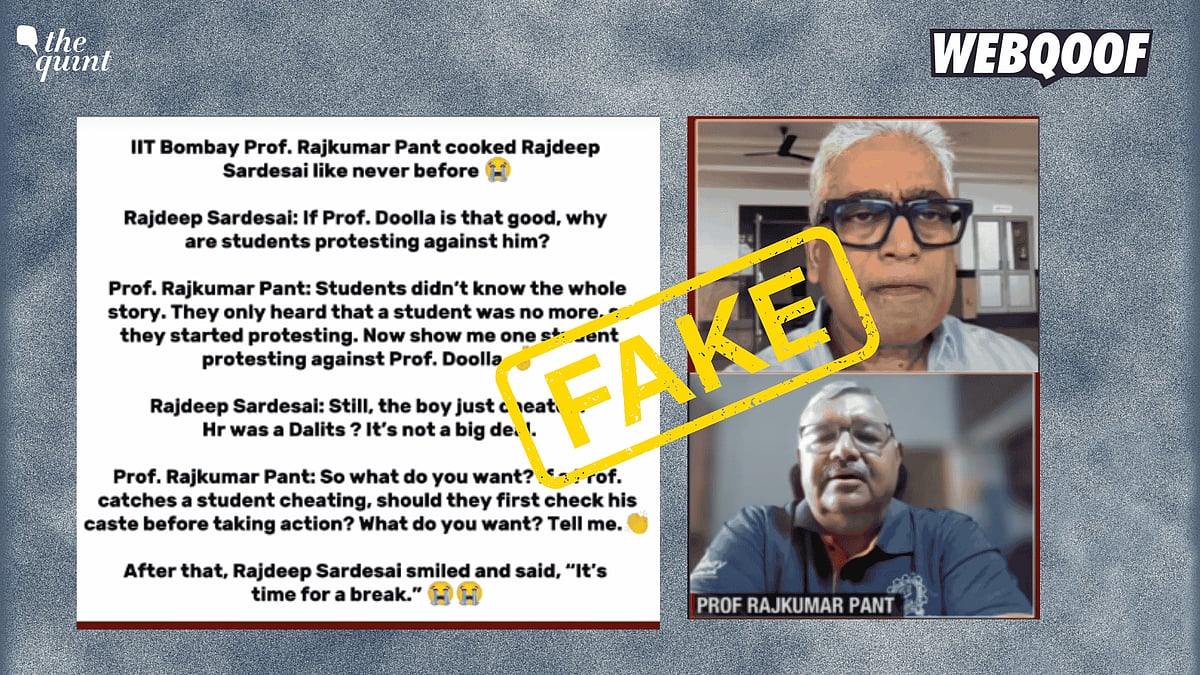
Fact-Check Finds Viral Rajdeep Sardesai–IIT Bombay Exchange Fake