1 hr ago
Avalanche Survivors Urge Better Himalayan Monitoring and Warnings
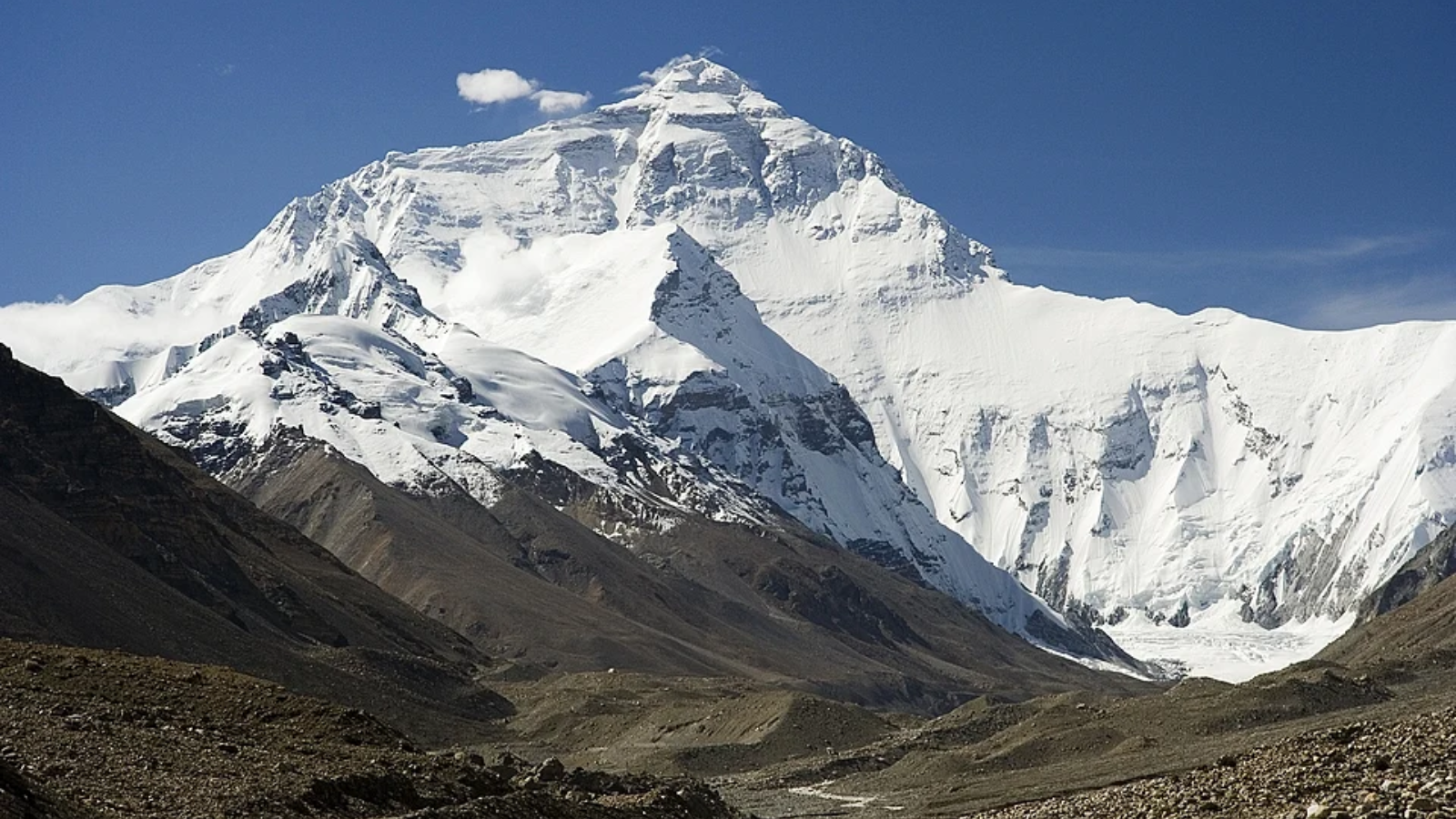
Avalanches and other mountain disasters can happen when snow, ice or rock suddenly moves downhill.
The article says warming temperatures are changing the glaciers and frozen ground that help hold some mountain slopes together.
It also explains that many dangerous changes happen inside mountains, where people cannot see them.
Scientists can use satellites and special sensors to watch for signs of danger.
The authors propose combining these tools into a warning system for the Himalayas.
They say it should help climbers, soldiers and people living below the mountains.
They also want countries to share warnings because hazards can cross borders.
Better monitoring cannot make the mountains safe, but it may give people more time to get out of danger.

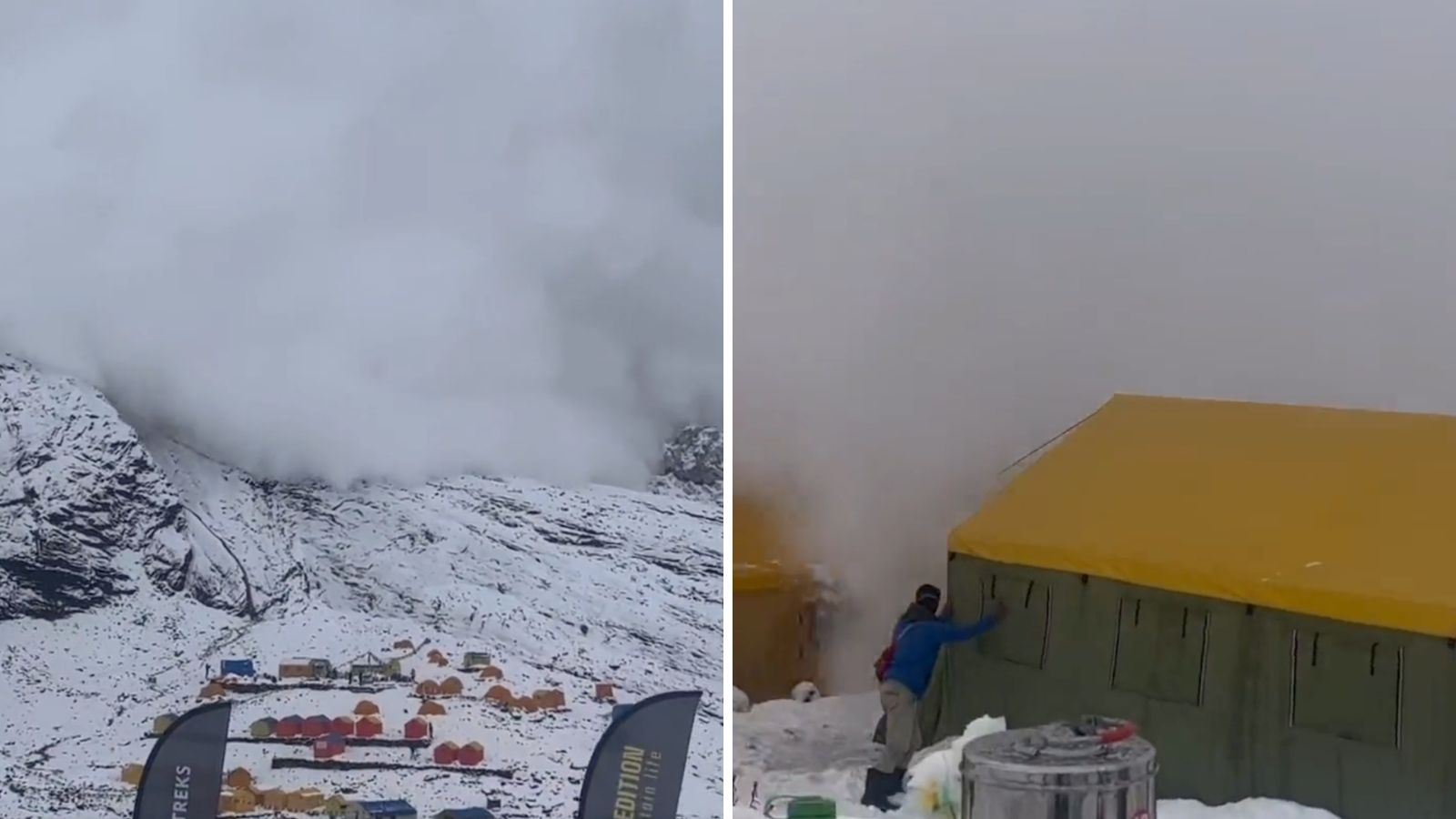
Avalanches at Manaslu and Himlung in September killed climbers and local support workers, the article reports.
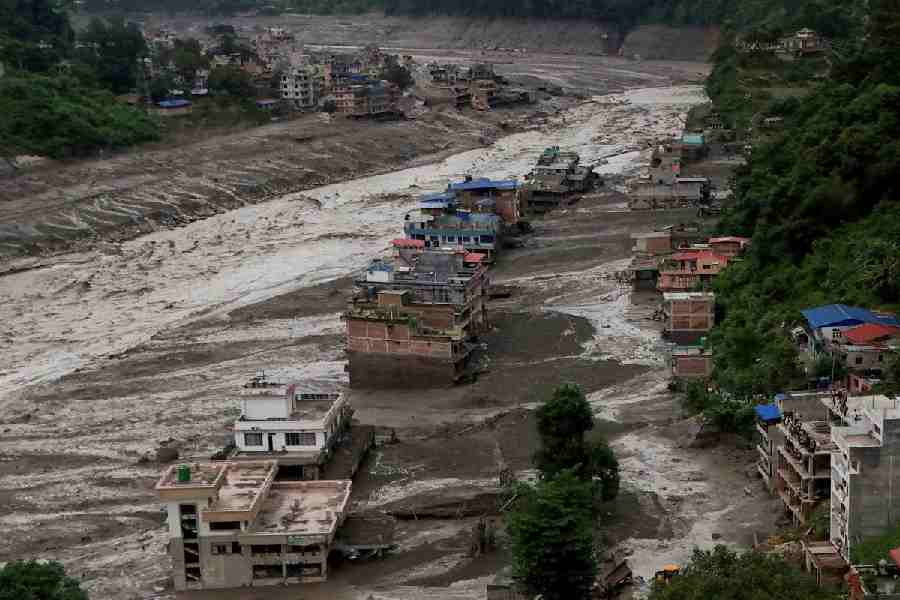
The authors connect growing mountain instability with warming, thawing permafrost and thinning glaciers, while noting not every avalanche is caused by climate change.
A study counted 681 fatal avalanches across High Mountain Asia from the 1970s through 2022, but the article says many events go unrecorded.
The proposed Himalayan Mountain Intelligence System would combine satellite data, sensors, weather stations and AI to detect and track hazards and issue warnings.
The authors call for a cross-border observatory network covering 100 high-risk locations and alerts accessible to civilians as well as military users.
- Who
- The article's authors, Anurag Maloo and Ronak Sutaria, and people exposed to Himalayan hazards, including climbers, workers, soldiers and downstream communities.
- What
- The authors argue for expanded avalanche monitoring and early-warning systems across the Hindu Kush Himalaya.
- Where
- The Hindu Kush Himalaya, including Manaslu, Himlung, Rasuwa and Annapurna.
- When
- The article discusses disasters in August and September and a proposed monitoring effort; it does not give a publication date.
- Why
- The authors say mountain conditions are changing, many hazards are not monitored, and earlier warnings could help people move out of danger.
Key facts
- September avalanche toll described
- The article reports two avalanches: one at Manaslu that killed two people, and one at Himlung that buried 16 Nepali guides and kitchen staff, none of whom were believed to have survived.
- Fatal avalanche study
- A 2023 study counted 681 reported avalanches with fatalities across High Mountain Asia from the 1970s to 2022, together killing 3,131 people.
- Glacier monitoring
- Of 63,700 glaciers in the Hindu Kush Himalaya, 38 had some ground-based mass-balance monitoring, and seven met World Glacier Monitoring Service standards, according to the article.
- Proposed network
- The authors propose a Himalayan Cryosphere Observatory Network beginning with 100 high-risk locations.
- Monitoring tools
- The proposed system could combine seismic and infrasound sensors, Doppler radar, snow-depth and weather monitoring, satellite data, and AI or deep-learning analysis.
- Anurag Maloo's survival
- Maloo says he was trapped in a crevasse at about 6,000 metres on Annapurna for three days and nights in April 2023.
Quotes
Mingma G
Guide who led the rescue at Himlung Base Camp.
“No one had believed that Himlung Base Camp could experience something of that scale.”
 indianexpress.com
Md Farooq Azam
Senior Cryosphere Intervention Manager at ICIMOD.
“Not every avalanche can be blamed on a warming climate, but the conditions that hold Himalayan slopes together are changing. Higher elevations are warming faster, permafrost is thawing, and glaciers are thinning, which leaves ice and rock on steep faces less stable than they were a generation ago. Most of this happens inside the mountain, where no climber or villager can see it. Instruments can. Continuous monitoring of the highest-risk glaciers and slopes is how we give the people living below,”
indianexpress.com
Sources
Related news

Avalanche Kills 15 Nepali Workers Preparing Himalayan Camp for Climbers
Avalanche Leaves 10 Nepalese Climbers Missing at Himalayan Base Camp
Nepal's Avalanches Expose Rising Risks of Himalayan Disasters

Nepal Disaster Prompts Call for Integrated Himalayan Hazard Assessments
Rescuers Search for 12 Missing After Himlung Himal Avalanche
Indian-German Climber, Sherpa Guide Killed on Manaslu
4.1-Magnitude Earthquake Strikes Western Nepal, No Damage Reported
Sikkim Tourism Fair to Promote Emerging Destinations Next Month

CBSE Opens 2027 Applications for Class 10 Private Candidates

India Proposes Sudhakar Dalela as Next Ambassador to Nepal