1 hr ago
Scientists Track Long-Term Health of Children Exposed to 9/11 Dust

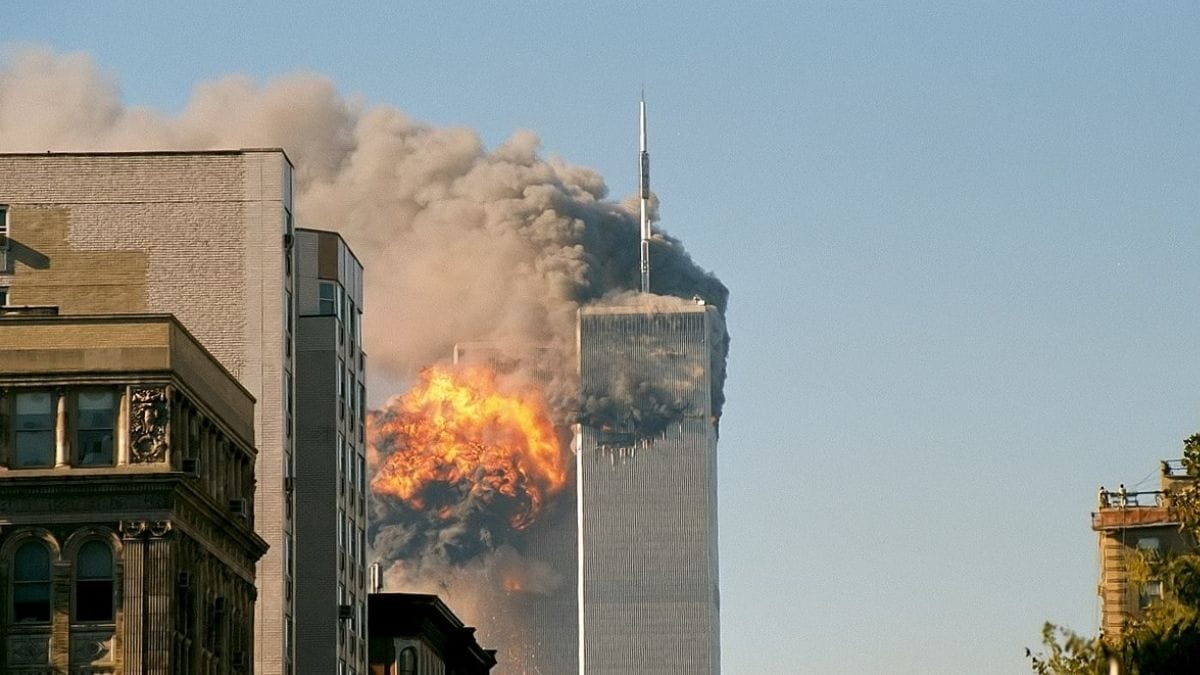
Some children were exposed to toxic dust after the 9/11 attacks.
Scientists are now checking how those people are doing many years later.
They want to learn whether childhood exposure may be connected to cancer.
They will also study heart and blood-vessel health.
Breathing problems and reproductive outcomes are part of the research too.
Researchers will examine the possible effects of emotional trauma from the attacks and their aftermath.
The scientists do not yet know whether the dust caused any illnesses.
Their goal is to find out whether meaningful connections exist.

Scientists are studying people who were exposed to toxic dust as children after 9/11.
The research will examine possible long-term links to cancer, cardiovascular disease, and respiratory problems.
Researchers will also investigate potential associations with reproductive outcomes.
The study will consider psychological trauma from the attacks and their aftermath.
Scientists have not established that exposure caused any conditions in this population.
- Who
- Scientists are studying people exposed to 9/11 toxic dust as children.
- What
- Researchers are tracking their long-term physical and psychological health.
- Where
- When
- The research is taking place decades after the 9/11 attacks.
- Why
- To determine whether childhood exposure is meaningfully associated with cancer, cardiovascular, respiratory, reproductive, or psychological outcomes.
Key facts
- Population studied
- People exposed to toxic dust as children
- Exposure
- Toxic dust associated with the 9/11 attacks
- Health areas
- Cancer, cardiovascular health, respiratory health, and reproductive outcomes
- Psychological focus
- Potential effects of trauma from the attacks and their aftermath
- Current evidence
- Researchers have not established that exposure caused conditions in this population
- Research goal
- To determine whether meaningful associations exist
Sources
Related news

Twenty-Five Years Later, 9/11 Still Shapes American Lives

Study Finds Aviation Workers Have High Radiation-Cancer Death Proportions

Study Questions Whether Cats Affect Children’s Mental Health
New York Commemorates 9/11 Anniversary Amid Security and Controversy

Delhi’s Air Pollution Linked to Brain Changes Beyond Lungs

Declassified FBI Files Reveal Saudi Links To 9/11 Hijackers

Early Online Post Captured Horror Minutes After 9/11

New York Drones Recreate Twin Towers in 9/11 Tribute
Trump’s 9/11 Rescue Claim Revived Debate at White House

How 9/11 Reshaped Air Travel and Banned Everyday Items