2 hrs ago
Twenty-Five Years Later, 9/11 Still Shapes American Lives
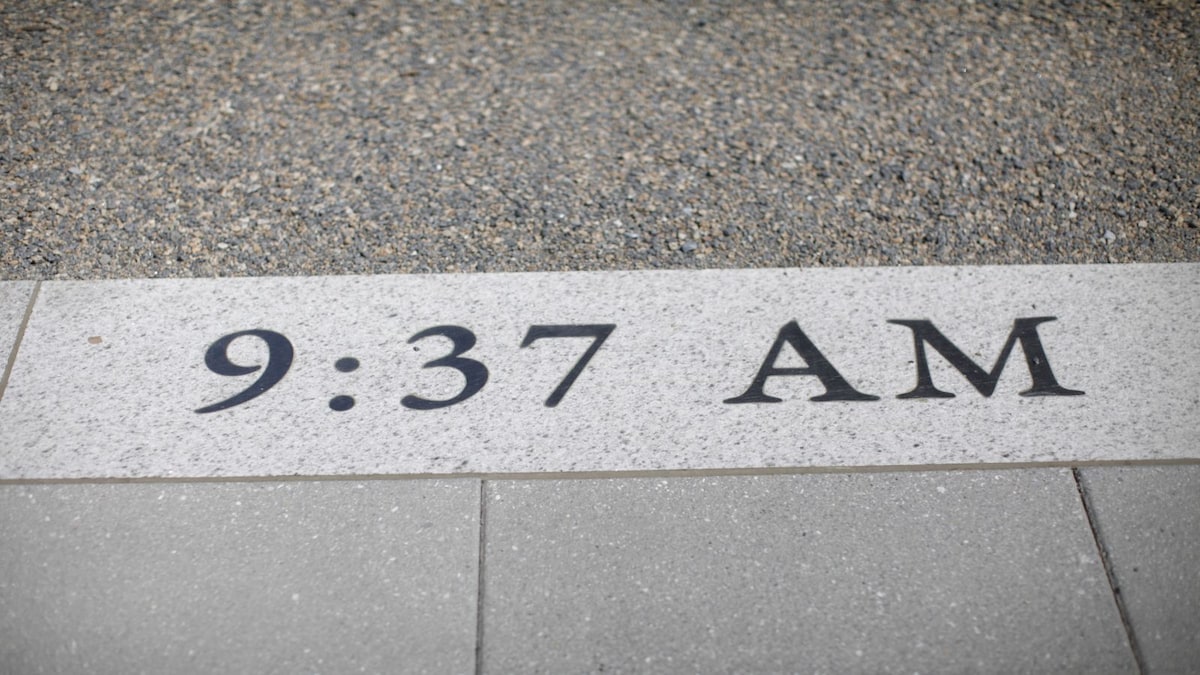
On September 11, 2001, terrorists hijacked four airplanes and attacked important places in the United States.
About 3,000 people died, including many firefighters and other emergency workers.
Scott Larsen lost his firefighter father and later became a firefighter himself.
He now works at the same firehouse where his father served.
Many rescue workers became sick after breathing dust at the destroyed World Trade Center.
A health program now helps more than 150,000 responders and survivors.
Michael Tuohey helped two of the hijackers check in for their flight but did not know what they planned.
The attacks led the United States to create new security rules and change airport procedures.
Twenty-five years later, people still remember the attacks and deal with their lasting effects.

The September 11 attacks killed about 3,000 people, including 343 New York City firefighters.
Scott Larsen joined the New York City Fire Department and works at his late father’s former firehouse.
More than 150,000 responders and survivors receive care through the World Trade Center Health Program.
The program has recorded roughly 85,000 certifications for related health conditions, including dust-related illnesses and cancer.
The attacks reshaped U.S. security policy, airport procedures and individual lives while prompting wars that caused more than 900,000 deaths.
- Who
- The victims, survivors, emergency responders, their families and other Americans affected by the September 11 attacks.
- What
- The article examines the continuing personal, health, security and geopolitical effects of the 9/11 attacks.
- Where
- The attacks struck the World Trade Center in New York, the Pentagon and a site in Pennsylvania; the stories also involve a New York firehouse and Portland International Jetport in Maine.
- When
- The attacks occurred on September 11, 2001; the article looks back 25 years later.
- Why
- The attacks killed about 3,000 people, caused lasting trauma and illness, and led to major changes in U.S. security policy and overseas wars.
Expanded Security
Civil-Liberties Concerns
Airport screening and profiling
Expanded Security
Supporters of stronger security could argue that improved airport procedures and closer attention to suspicious behavior might help prevent future attacks.
Civil-Liberties Concerns
Michael Tuohey recalled that laws against profiling limited how he could respond to his concerns about two passengers, highlighting the tension between security measures and fair treatment.
Key facts
- Attack death toll
- About 3,000 people were killed.
- FDNY deaths
- 343 New York City Fire Department members died.
- Health program participants
- More than 150,000 responders and survivors receive care through the World Trade Center Health Program.
- Health certifications
- Roughly 85,000 World Trade Center-related health-condition certifications had been issued as of June 30.
- Certification causes
- About half were linked to inhaling or swallowing toxic dust, while about 30% were for cancer.
- FDNY family legacy
- Fifty-eight children of FDNY firefighters killed on 9/11 have joined the department.
- Wars and deaths
- The attacks led to decades-long wars in which more than 900,000 people died, primarily in Iraq and Afghanistan.
Quotes
Dr. Michael Crane
Medical director of the World Trade Center Health Program
““My gut instinct was good but there were laws, there were laws against profiling people. I didn’t listen to my gut. And it turned out to be an awful thing. But it wasn’t that I was right. It’s just that it could have changed something. Not that it would have, but it could have. Who knows?””
 CNBC TV 18
 theprint.in
““You fall in love with these people. They are amazing, just resilient, funny, a little bit crazy. And even, despite what they’ve been through, really mentally tough and proud of what they did.””
theprint.in
Sources

Related news
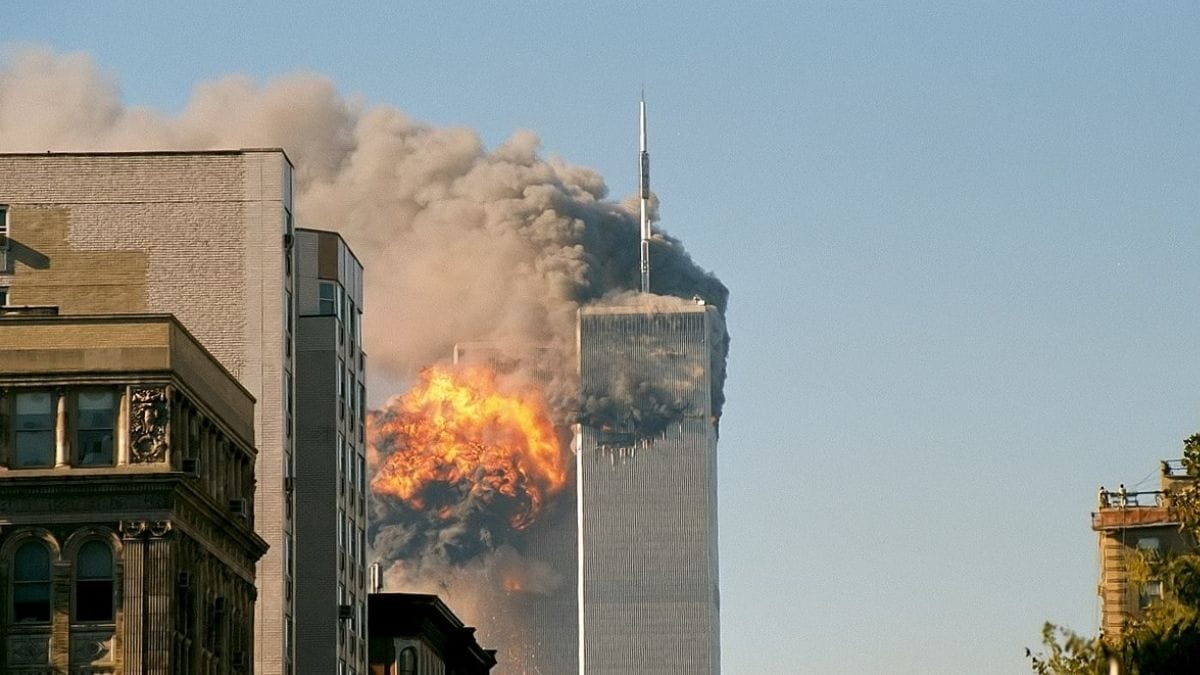
Twenty-Five Years Later, 9/11 Remains Vivid for Americans
Trump to Mark 25th 9/11 Anniversary at Pentagon
Ajay Ahuja's wife recalls son's question as Netflix revisits Kargil

Sandra Bullock Details Children’s Coping With Bryan Randall’s ALS
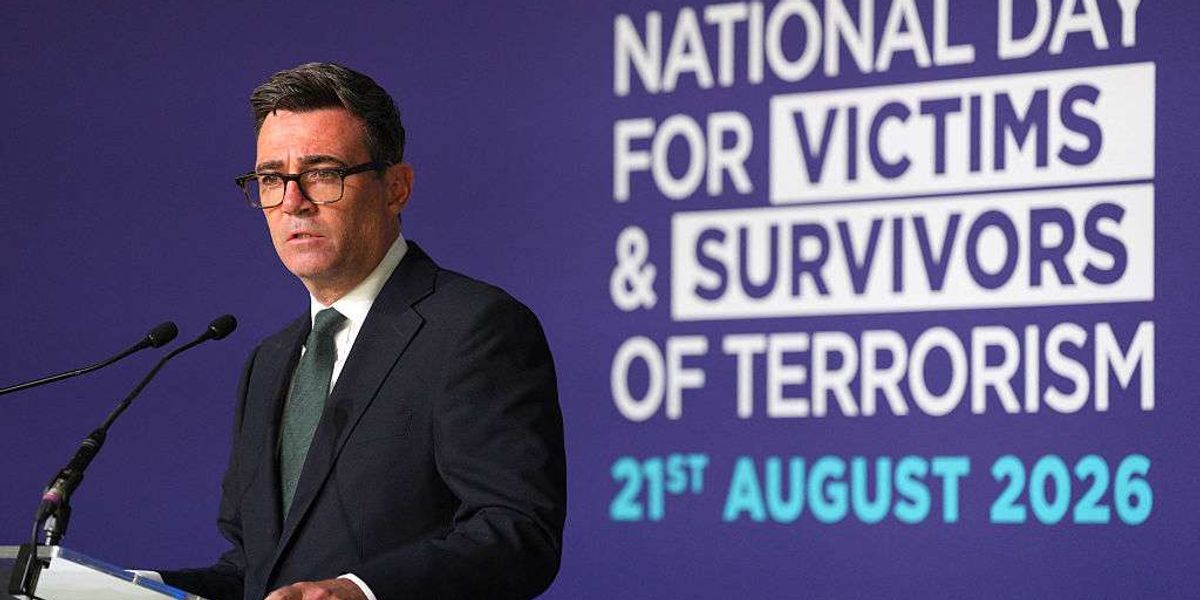
Britain Launches Annual Day Honouring Terrorism Victims and Survivors
Barron Trump Keeps Low Profile Amid Iran-Linked Security Threats

Labor Day 2026: What Is Open and Closed Across America

Zverev, Swiatek and Rybakina Headline US Open Day 9
Spider-Noir Wins Five Emmys Days After Cancellation, Cage Reacts
Nayak’s Flop Became a Lasting Challenge to Political Corruption