1 day ago
How 9/11 Reshaped Air Travel and Banned Everyday Items
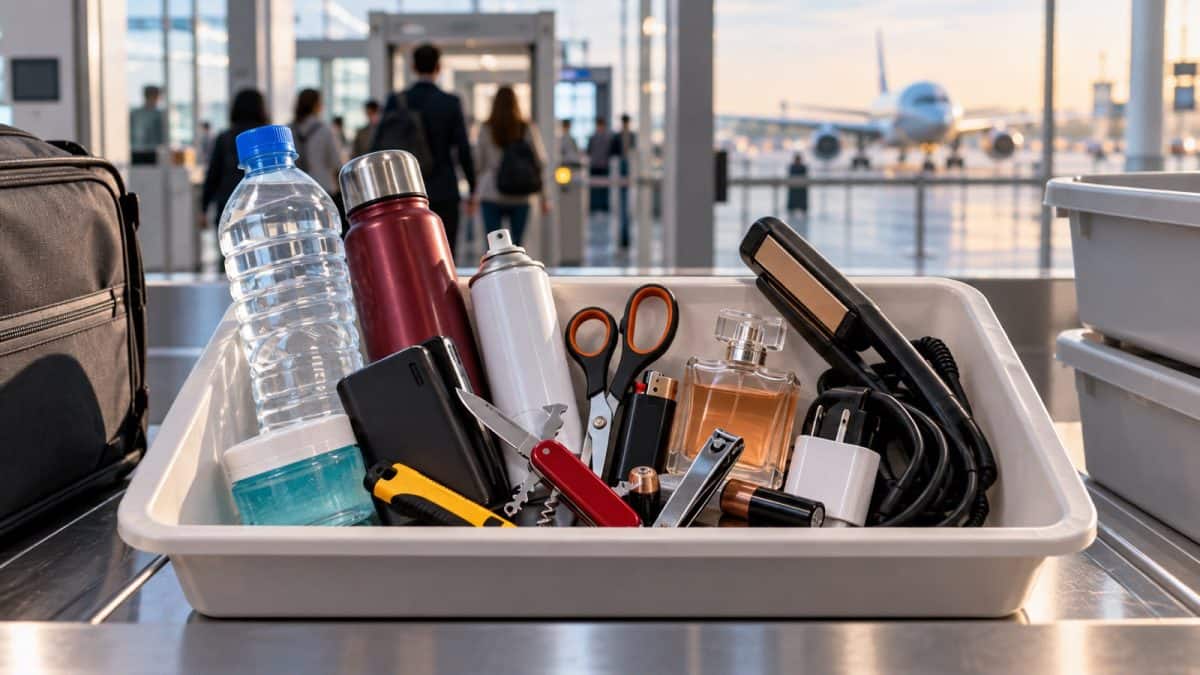
Before 9/11, airport security was less strict than it is today.
People could bring more everyday objects onto airplanes.
Some hijackers used small blades that were allowed at the time.
After the attacks, airports began checking passengers and bags much more carefully.
Sharp objects such as knives and box cutters were banned from cabin bags.
Later, rules limited liquids to containers of 100 milliliters or less.
Tools, sports equipment, fireworks, and flammable items can also be restricted or banned.
Some electronics have faced temporary limits because of concerns about hidden explosives.
These rules are designed to make airplanes safer by reducing possible dangers.

The September 11 attacks prompted governments worldwide to overhaul aviation security.
Passenger screening tightened, and authorities introduced 100 percent baggage checks for explosives.
Small knives, box cutters, razor blades, and some tools are now banned from cabin baggage.
The 100 ml liquid limit developed after initial post-9/11 restrictions and a 2006 liquid-explosives plot.
Security rules continue to evolve through scanners, screening technology, and intelligence-led restrictions.
- Who
- Governments, aviation authorities, passengers, and airport security personnel.
- What
- Aviation security rules became stricter after the September 11 attacks, limiting items allowed in cabin baggage.
- Where
- At airports and on commercial aircraft worldwide.
- When
- The major changes began after the 2001 attacks; liquid restrictions were later reinforced by a 2006 plot.
- Why
- To reduce the risk of weapons, fires, explosions, and other threats aboard aircraft.
Key facts
- Major turning point
- The September 11, 2001 attacks led to sweeping aviation-security reforms.
- Baggage screening
- Authorities introduced 100 percent baggage checks for explosives.
- Sharp objects
- Small knives, box cutters, razor blades, and some pointed objects are prohibited in cabin baggage.
- Liquid limit
- Liquids must generally be carried in containers of no more than 100 milliliters inside a transparent bag.
- Restricted tools
- Screwdrivers, spanners, hammers, heavy tools, and some sports equipment may be banned from cabins.
- Fire and explosion risks
- Fireworks, fuel-based items, and certain lighters and flammable substances are prohibited.
- Changing rules
- Temporary restrictions on large electronic devices have been introduced in response to intelligence about concealed explosives.
Sources
Related news
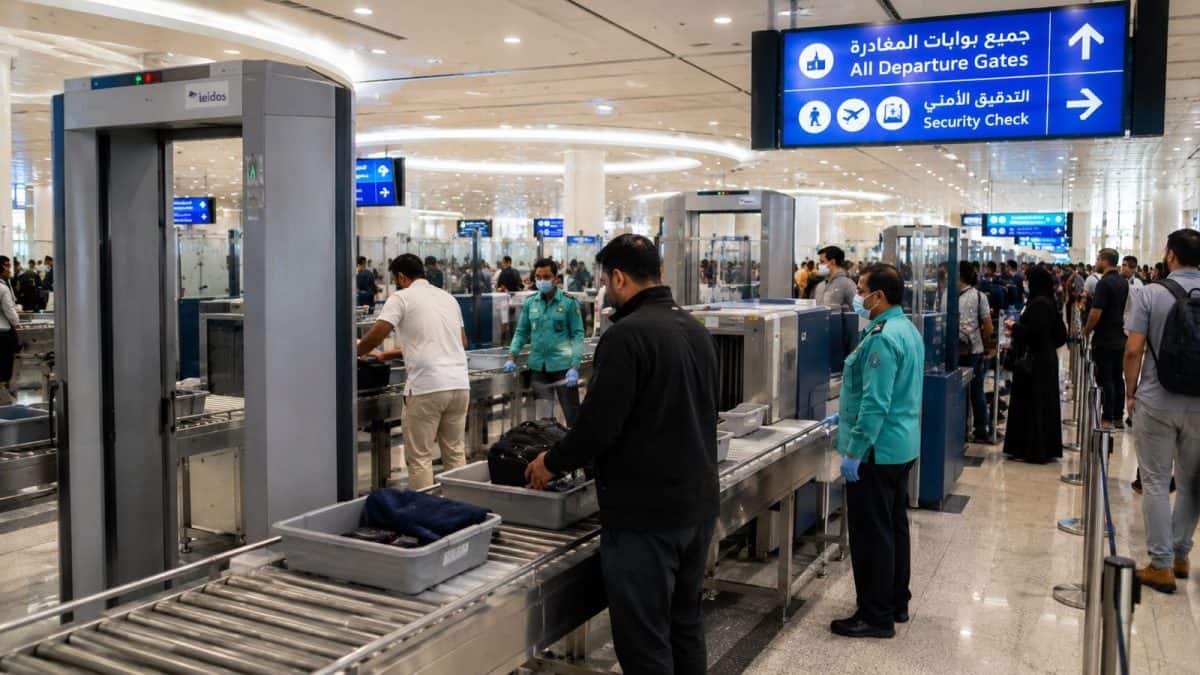
Dubai Airport Rolls Out Scanners That Keep Bags Packed
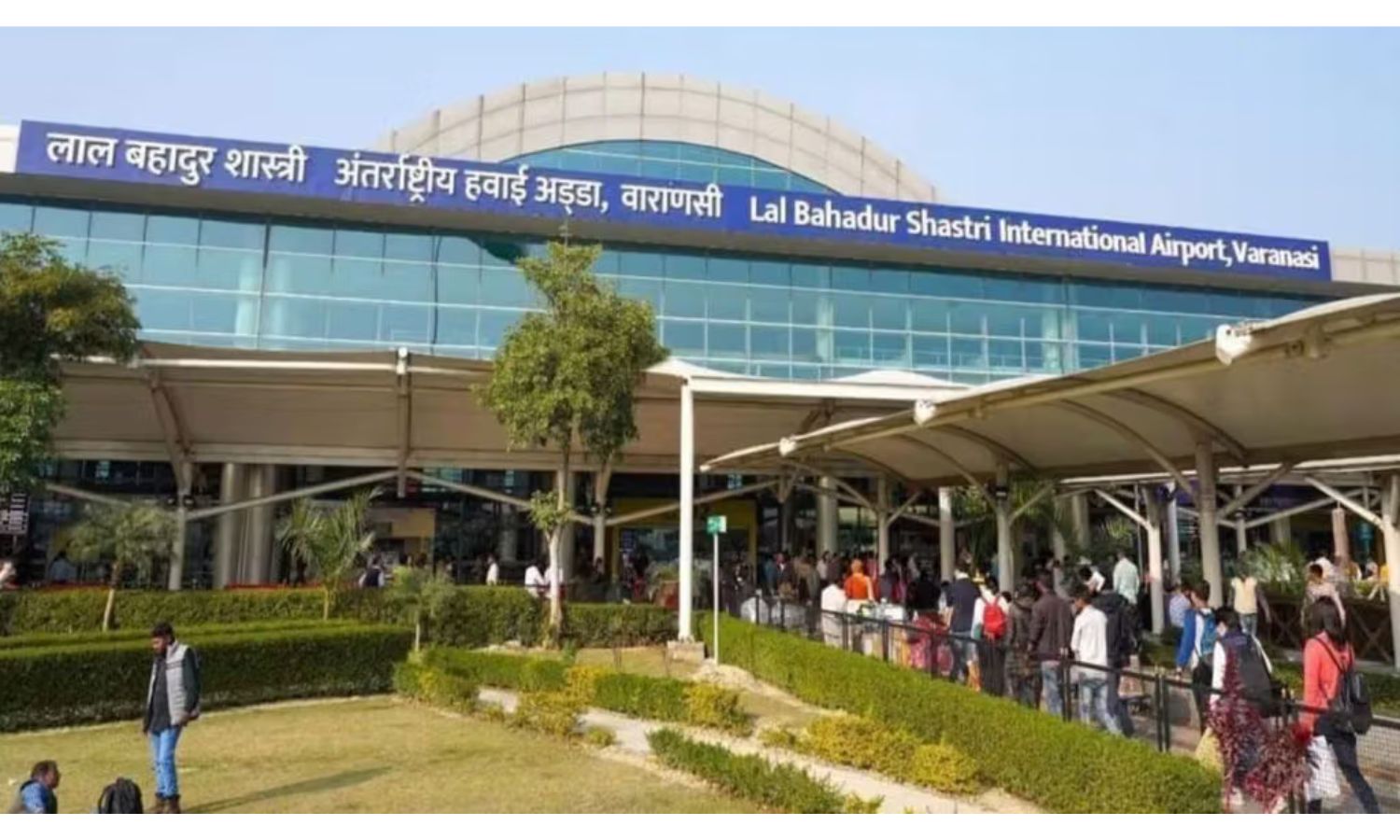
Varanasi Airport Gun Discharge Wounds Two, a Security Wake-Up Call
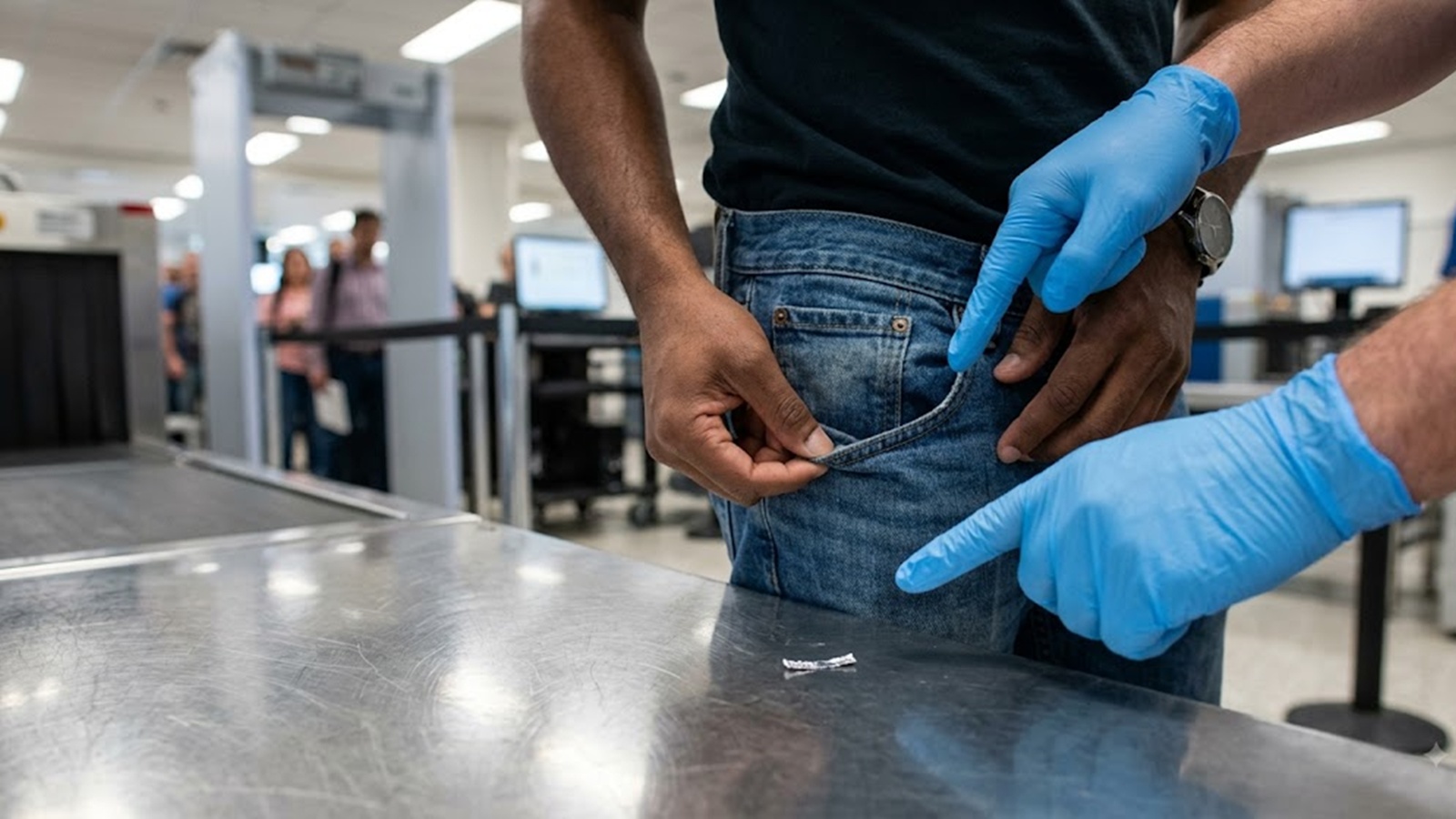
Tiny Item in Pocket Can Trigger Additional Airport Security Check

Pistol accidentally fires at Varanasi airport, injuring two security officials

India's No-Fly List Reaches 447 Amid Rising Passenger Misconduct

Air India Express Passenger Arrested After Allegedly Hiding Drugs
Trump’s 9/11 Rescue Claim Revived Debate at White House
Twenty-Five Years Later, 9/11 Remains Vivid for Americans

Vance Explains Why Trump Will Miss New York 9/11 Ceremony
Court Examines Saudi Man's Alleged 9/11 Hijacker Assistance