2 hrs ago
Pakistan Pressure May Push Taliban Closer to India
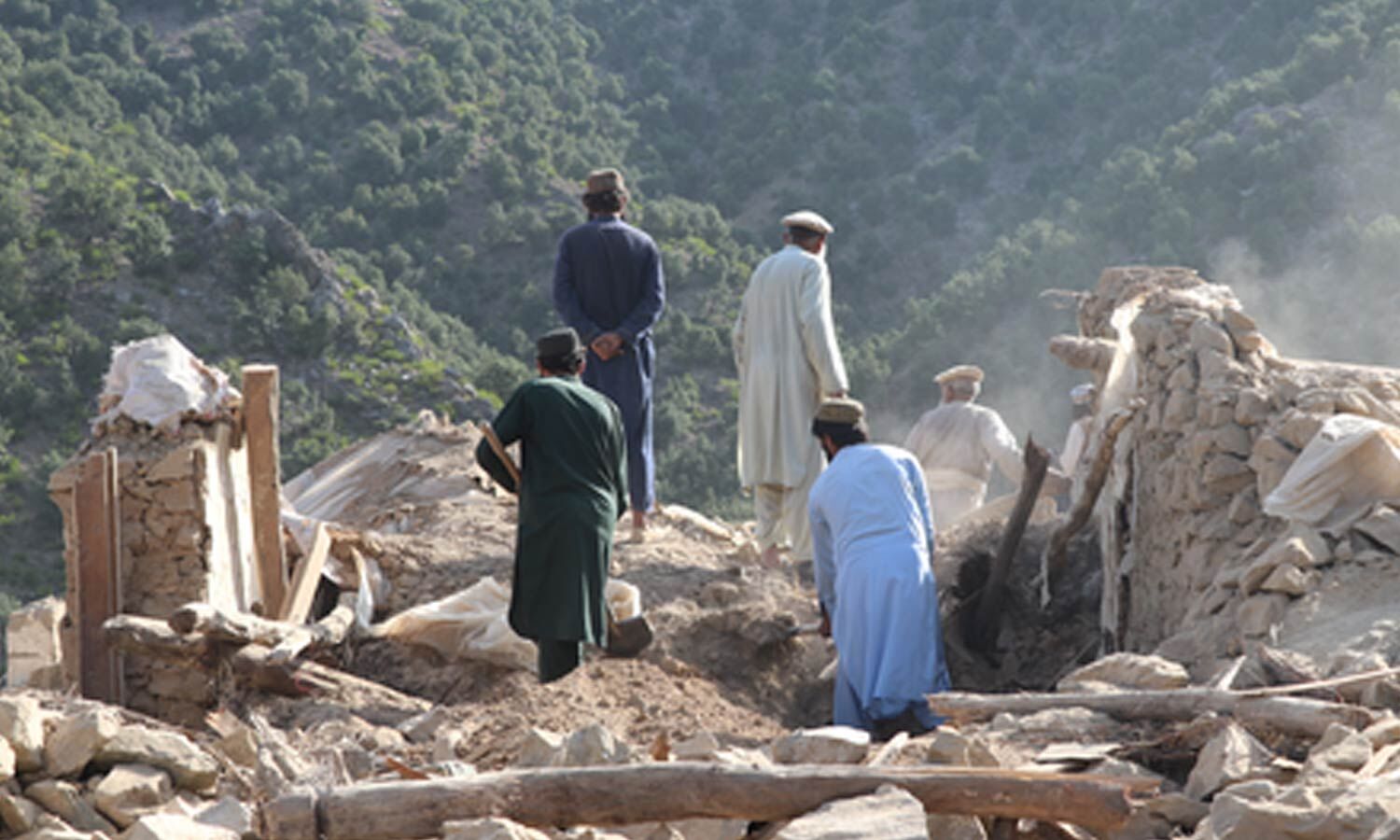
Pakistan wants Afghanistan's Taliban government to cooperate on security, including concerns about the Tehreek-e-Taliban Pakistan.
Pakistan has used military pressure, including strikes inside Afghanistan.
A report says this pressure might not persuade the Taliban to cooperate more.
Instead, it could make Kabul look for other partners so it depends less on Pakistan.
India has been rebuilding ties with the Taliban government, though it has not formally recognised it.
The Taliban accuse Pakistan of helping armed groups that fight Taliban forces.
Afghanistan and Pakistan are due to meet with several other countries at talks in Moscow.
The report says the meeting might calm things for a while, but may not fix the deeper disagreement.

A Middle East Monitor analysis says Pakistan's military pressure over the Tehreek-e-Taliban Pakistan may not secure greater Taliban cooperation.
The report says pressure, including recent strikes inside Afghanistan, could instead lead Kabul to reduce its dependence on Islamabad.
India has rebuilt ties with the Taliban government without formally recognising it, giving Kabul diplomatic and economic options beyond Pakistan.
The Taliban accuse Pakistan of aiding armed opposition fighters, including former Afghan security personnel, in clashes in Badakhshan and Nuristan.
The Moscow Format talks include Afghanistan, Pakistan, China, India, Iran, Russia and Central Asian states; the report says they may ease tensions temporarily.
- Who
- Pakistan's government and military, Afghanistan's Taliban government, and regional countries participating in the Moscow Format talks.
- What
- An analysis says Pakistan's pressure over the Tehreek-e-Taliban Pakistan may fail to win Taliban cooperation and could encourage Kabul to strengthen ties with India.
- Where
- The dispute concerns Pakistan and Afghanistan; the talks are in Moscow.
- When
- Ahead of the Moscow Format talks scheduled for Monday; no calendar date is given.
- Why
- Pakistan is seeking Taliban cooperation over security concerns involving the Tehreek-e-Taliban Pakistan, while the analysis says pressure could increase Kabul's incentive to diversify its relationships.
Pakistan's security concerns
Taliban autonomy and alternatives
Use of pressure
Pakistan's security concerns
Pakistan is applying border pressure and military force to seek Taliban cooperation on its security demands.
Taliban autonomy and alternatives
The analysis argues that coercion may not produce greater cooperation and could prompt Kabul to reduce its vulnerability to Islamabad.
Pakistan's role in opposition activity
Pakistan's security concerns
The report says opposition forces could increase Pakistan's leverage by challenging the Taliban's control and diverting its resources.
Taliban autonomy and alternatives
The Taliban accuse Pakistan of helping armed opposition fighters, including former Afghan security personnel; the article does not provide Pakistan's response to that accusation.
Kabul's foreign ties
Pakistan's security concerns
The report says Pakistan has historically sought to constrain the Taliban's relationship with India.
Taliban autonomy and alternatives
India has rebuilt ties with the Taliban government without formally recognising it, giving Kabul diplomatic and economic room beyond Pakistan.
Key facts
- Issue
- Pakistan's pressure on Afghanistan's Taliban government over the Tehreek-e-Taliban Pakistan
- Report source
- Middle East Monitor
- India's status
- India has rebuilt ties with the Taliban government without formally recognising it.
- Reported clash locations
- Badakhshan and Nuristan
- Talks
- The Moscow Format meeting is scheduled for Monday.
- Participants cited
- Afghanistan, Pakistan, China, India, Iran, Russia and Central Asian states
- Possible outcome
- The analysis says the talks may bring temporary de-escalation, while Pakistan's deeper problem remains.
Quotes

Middle East Monitor analysis
An analysis published by Middle East Monitor on Pakistan’s pressure on the Taliban.
“This exposes the limits of coercion. Pakistan can raise the price of non-compliance through border pressure and military force, as its latest strikes inside Afghanistan demonstrate.”
 thehansindia.com
“The question after Moscow will therefore not simply be whether Pakistan and the Taliban can stop their latest confrontation.”
thehansindia.com
Sources
Related news
Taliban Warns Pakistan of Crushing Response to Afghan Strikes
Pakistan’s SCO Presidency Highlights Limits of Global Isolation
How India’s Taliban Approach Reflects Principled Pragmatism in Afghanistan
Pakistan Reports Taliban Border Shelling; Kabul Denies Attack
Pakistan Tweaks India Strategy, Betting on Radicalisation and Proxy War

Taliban Says Pakistan Strikes Afghanistan to Escape Makkah Pact

Deported Narco-Trafficking Accused Navpreet Singh Remanded to Police Custody
India deports alleged narco-trafficking kingpin Navpreet Singh from Türkiye
India Says Navpreet Singh Deported from Türkiye in Drug Case

Sujeet Kalkal Completes Comeback for India’s Asian Games Gold