1 hr ago
Pakistan’s SCO Presidency Highlights Limits of Global Isolation
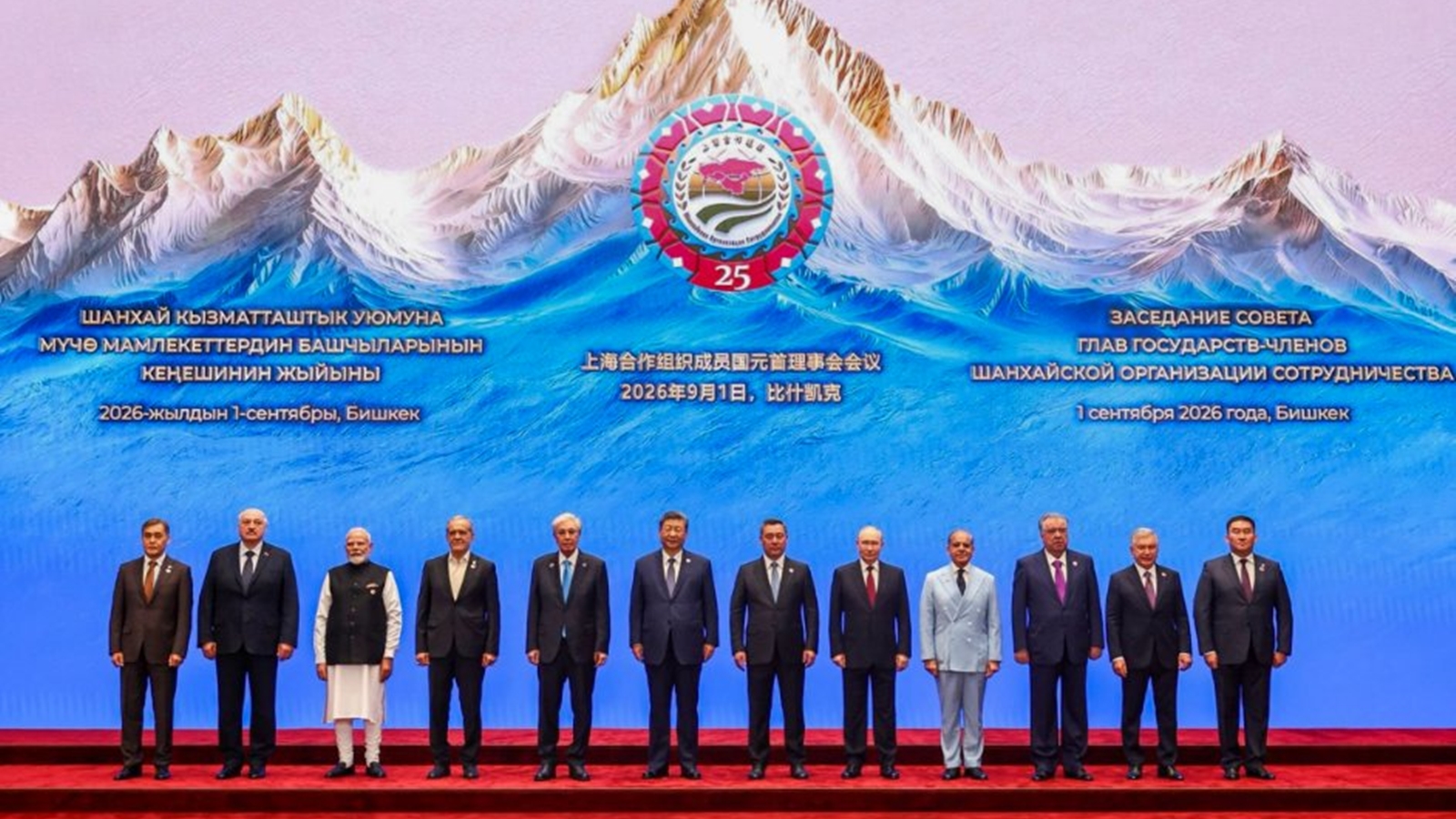
Pakistan recently took a leadership turn in the Shanghai Cooperation Organisation.
India has tried to reduce Pakistan’s influence around the world.
The article says completely isolating a country is very difficult.
Countries usually work with others when doing so helps their own interests.
They may continue cooperating even when they disagree on important issues.
The United States sometimes criticized Pakistan and changed its aid, but it continued dealing with Pakistan because of interests involving Afghanistan.
Pakistan has also helped countries communicate with one another.
The article concludes that India should build stronger relationships instead of relying mainly on isolation.

Pakistan assumed the rotational presidency of the Shanghai Cooperation Organisation, a group focused in part on counter-terrorism.
The article argues that India’s efforts to weaken and isolate Pakistan internationally face practical limits.
States generally prioritize their own interests over moral disagreements when forming foreign-policy relationships.
The United States maintained engagement with Pakistan despite repeated disputes over terrorism and changes in aid.
The article says India should focus on strategic positioning and expanding ties rather than expecting Pakistan’s complete isolation.
- Who
- Pakistan, India, and other states involved in international relations, including the United States.
- What
- Pakistan assumed the Shanghai Cooperation Organisation’s rotating presidency, prompting debate over India’s strategy of isolating Pakistan.
- Where
- Within the Shanghai Cooperation Organisation and broader international diplomacy.
- When
- At the recent Shanghai Cooperation Organisation summit; the article also cites United States-Pakistan relations in the post-Cold War era.
- Why
- The article argues that states follow their interests, making complete isolation of Pakistan difficult and requiring India to emphasize strategic positioning.
Isolation Strategy
Strategic Positioning
How to deal with Pakistan
Isolation Strategy
India should weaken Pakistan’s global standing, pursue sanctions, and encourage international condemnation.
Strategic Positioning
India should recognize that other states have limited overlapping concerns with New Delhi and focus on positioning rather than expecting complete isolation.
Role of interests and values
Isolation Strategy
Moral objections, including concerns about terrorism, can justify pressure and reduced engagement with Pakistan.
Strategic Positioning
States are more likely to act on issues that directly affect their interests, so practical cooperation can continue despite moral disagreements.
International engagement
Isolation Strategy
Continued foreign engagement with Pakistan may undercut India’s efforts to reduce Islamabad’s influence.
Strategic Positioning
Engagement can serve strategic purposes, as shown by the United States’ continued dealings with Pakistan because of interests involving Afghanistan.
Key facts
- Organization
- Shanghai Cooperation Organisation
- Pakistan’s role
- Rotational president of the organization
- Organization focus
- Counter-terrorism is at its heart
- India’s strategy
- Weaken Pakistan globally, seek sanctions, and rally condemnation
- Core criticism
- India assumes it is easy to isolate a state
- United States-Pakistan relations
- Engagement continued despite disputes over terrorism and repeated changes in aid
- Diplomatic example
- Pakistan has mediated between states, including during the Cold War realignment of the United States and China
Sources
Related news
India Balances China, Russia and Pakistan at SCO Summit
India Seeks Diplomatic Role Amid Conflicts in Iran, Ukraine
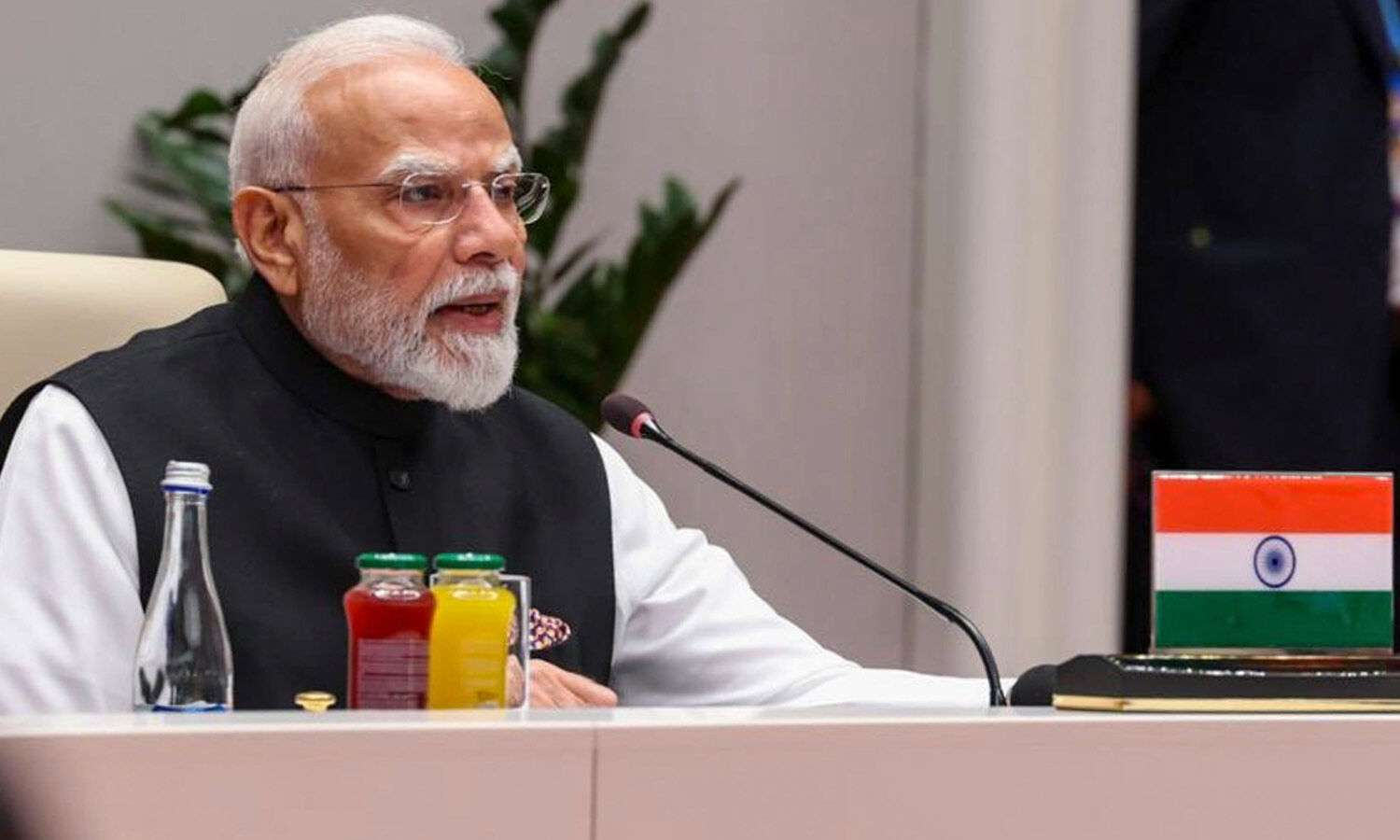
Modi Urges SCO to Reject Terrorism as State Policy
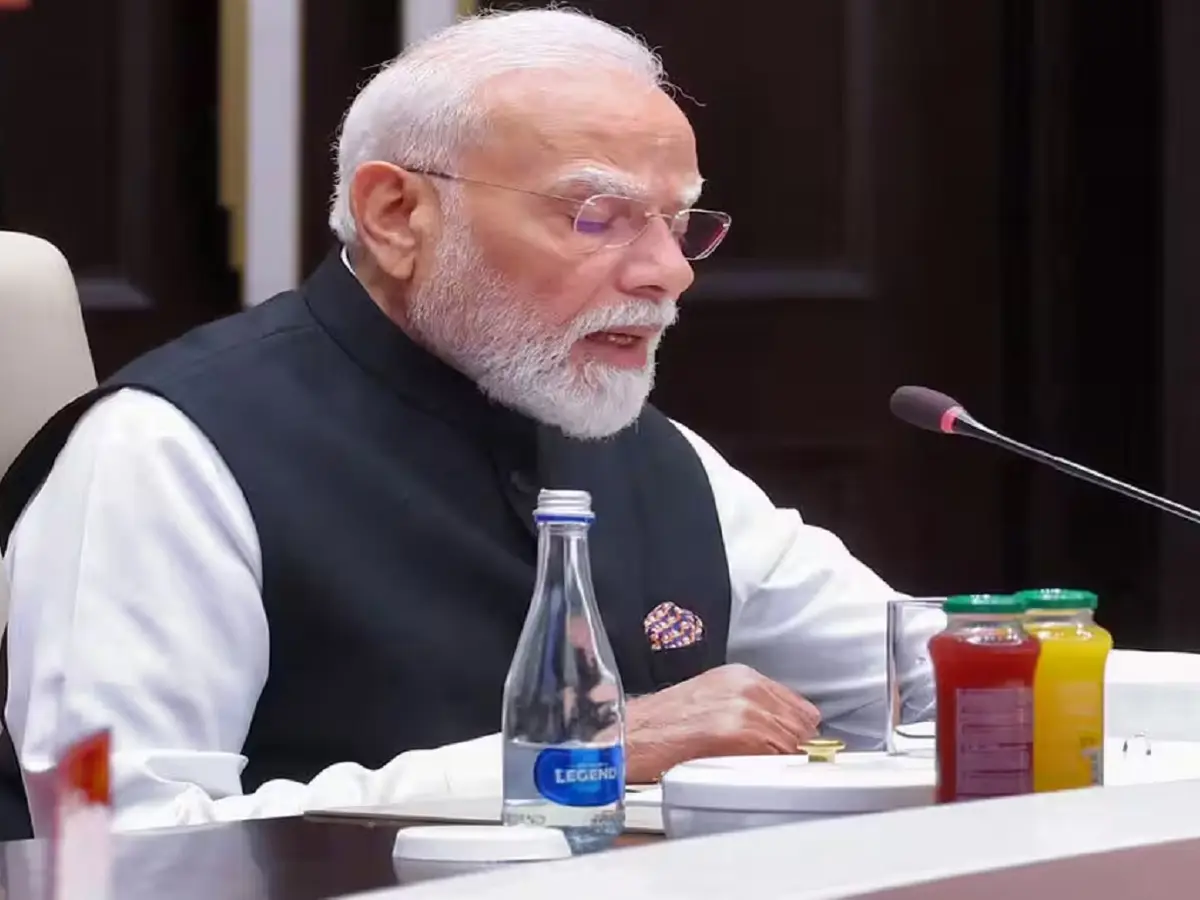
SCO Summit Highlights India’s Role in Global Peace Efforts
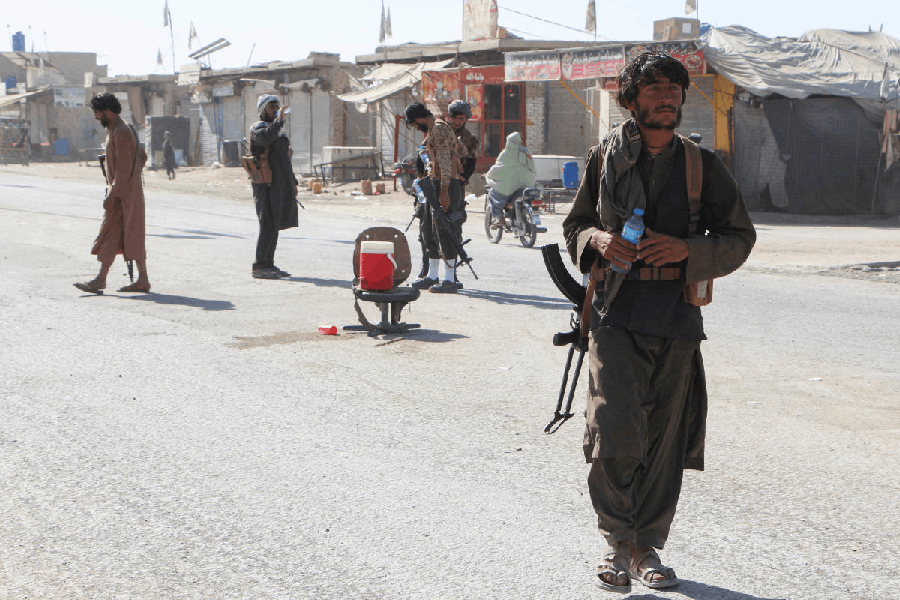
Taliban’s Fragile Legitimacy Tests India’s Evolving Afghan Policy
Canada and India Rebuild Ties Through Trade, Security Cooperation
Fuel Oil Shortage Threatens Shipping as Wars Disrupt Refinery Output

Chinese Entrepreneur Builds Profitable Business Around Professional Back-Scratching
India, China Hold First Arunachal Commander Talks Amid Tensions