1 week ago
Sukhu’s Bureaucratic Gamble: Himachal Weighs Senior Officer Cadre Cuts

Himachal Pradesh’s chief minister wants to reduce the number of top government officers in the state.
He says the state is small and cannot afford a very large senior bureaucracy.
The proposed plan would reduce the number of sanctioned IAS and IFS posts.
The state says maintaining these cadres costs about ₹200 crore each year.
However, some approved posts are already empty, so removing them may not immediately save much money.
People who support the plan believe some senior jobs may overlap or lack enough work.
People who oppose it say mountain regions need many experienced officers to manage disasters, forests, roads and distant communities.
The plan’s success will depend on whether it improves government work without creating shortages or lowering morale.

Himachal Pradesh proposes reducing its sanctioned IAS cadre from 153 to 130 officers.
The proposed IFS cadre reduction would bring sanctioned posts from about 114 to 83.
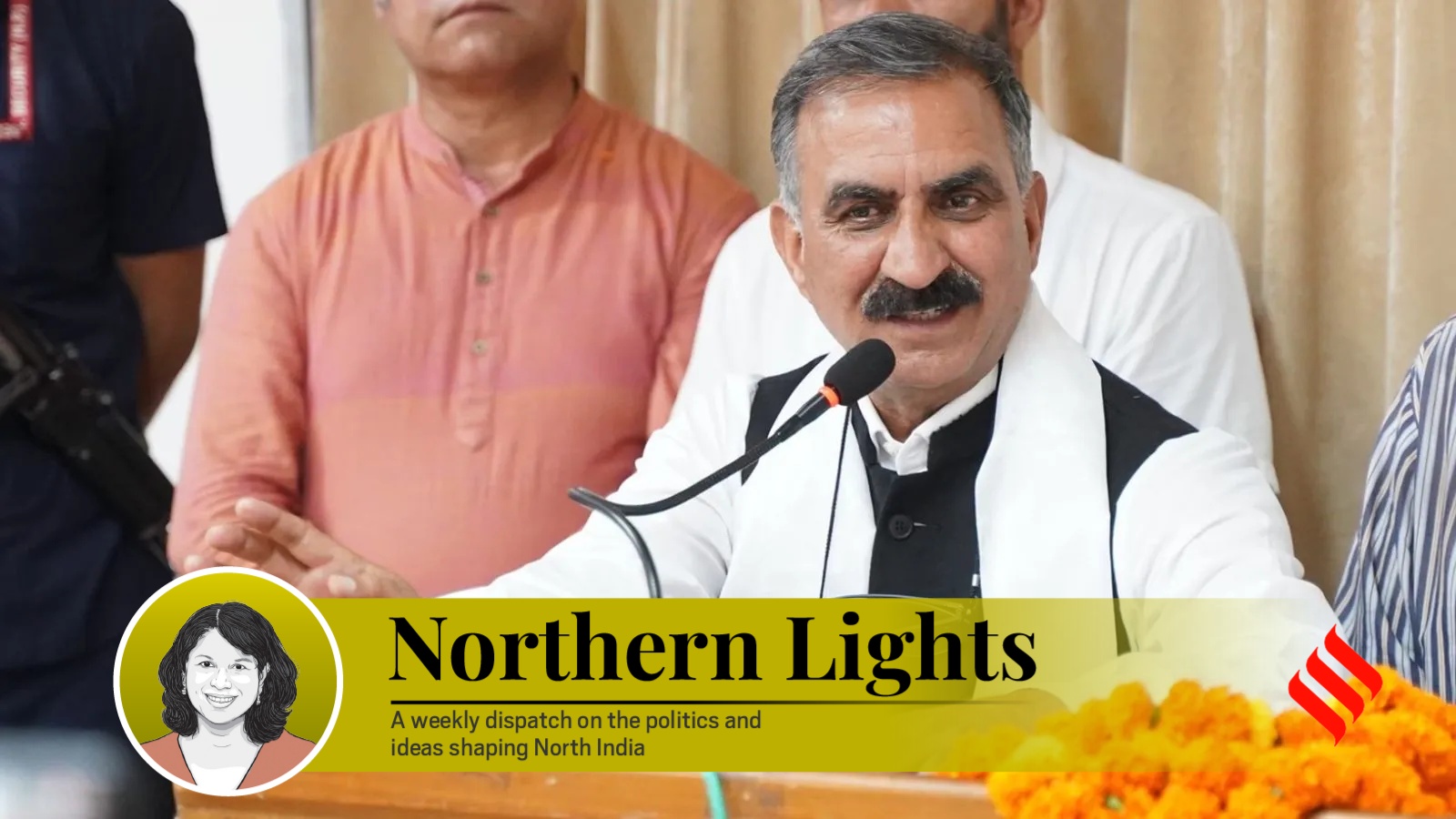
Chief Minister Sukhvinder Singh Sukhu says the state spends about ₹200 crore annually maintaining its senior officer cadres.
Union government data showed 117 IAS officers and 84 IPS officers were in position on January 1, 2025.
Supporters cite financial prudence, while critics warn that reductions could weaken disaster response and hill administration.
- Who
- Himachal Pradesh Chief Minister Sukhvinder Singh Sukhu and the state’s senior bureaucracy are central to the proposal.
- What
- The state is considering reducing its sanctioned IAS and IFS cadres, with an IPS reduction also under consideration.
- Where
- Himachal Pradesh, including its Secretariat and mountainous, tribal and disaster-prone areas.
- When
- The proposal is under discussion; staffing figures cited in the article are as of January 1, 2025.
- Why
- Sukhu says the state has limited financial resources, an oversized senior bureaucracy and officers without enough work; opponents cite the demands of hill administration.
Cadre Rationalization
Administrative Capacity
Financial efficiency
Cadre Rationalization
Supporters say Himachal Pradesh has limited resources and does not need an oversized senior bureaucracy, particularly where officers may not have enough work.
Administrative Capacity
Critics say the headline ₹200 crore cost does not equal potential savings because some sanctioned posts are already vacant.
Administrative workload
Cadre Rationalization
Reducing overlapping or tradition-based senior posts could make the government leaner, faster and more accountable.
Administrative Capacity
Opponents argue that workload cannot be measured by population alone because the state has difficult terrain, tribal areas, disaster risks and major coordination demands.
Political-bureaucratic balance
Cadre Rationalization
Supporters view Sukhu’s proposal as a challenge to entrenched bureaucratic influence and an effort to strengthen political accountability.
Administrative Capacity
Bureaucrats and former officials warn that reductions could increase pressure on remaining officers, weaken morale and affect administrative efficiency.
Key facts
- Proposed IAS cadre
- Reduction from 153 sanctioned posts to 130
- Proposed IFS cadre
- Reduction from approximately 114 sanctioned posts to 83
- Current IAS staffing
- 117 officers in position against 153 sanctioned posts on January 1, 2025
- Current IPS staffing
- 84 officers in position against 96 sanctioned posts on January 1, 2025
- Annual cadre cost
- Sukhu cites approximately ₹200 crore for maintaining the IAS, IPS and IFS strength
- State population
- The article describes Himachal Pradesh as having a population of around 70 lakhs
- Key concern
- Removing vacant posts may not produce the same immediate savings as removing serving officers
Sources
Related news

Himachal govt plans to cut IAS, IFS, IPS officer numbers
Himachal BJP Leader Urges CM to Cut Political Appointments
Sukhu Faces Fiscal Crisis and Political Test in Himachal
How Political Patronage Weakened India's Bureaucratic Steel Frame

Punjab’s 2024 IAS Batch Kept Waiting Without Real Postings
Karnataka High Court Upholds Inspector’s Second Transfer After Approval

Shashi Tharoor Mourns Kerala-Born Odisha IPS Officer Shefeen Ahamed
Uttar Pradesh IAS Officer Divya Mittal Resigns After 13 Years

Madhya Pradesh Assigns New Roles To Four Senior IPS Officers

Tripura Probes DGP Anurag Death Amid Judicial Inquiry Demand