4 days ago
How Political Patronage Weakened India's Bureaucratic Steel Frame
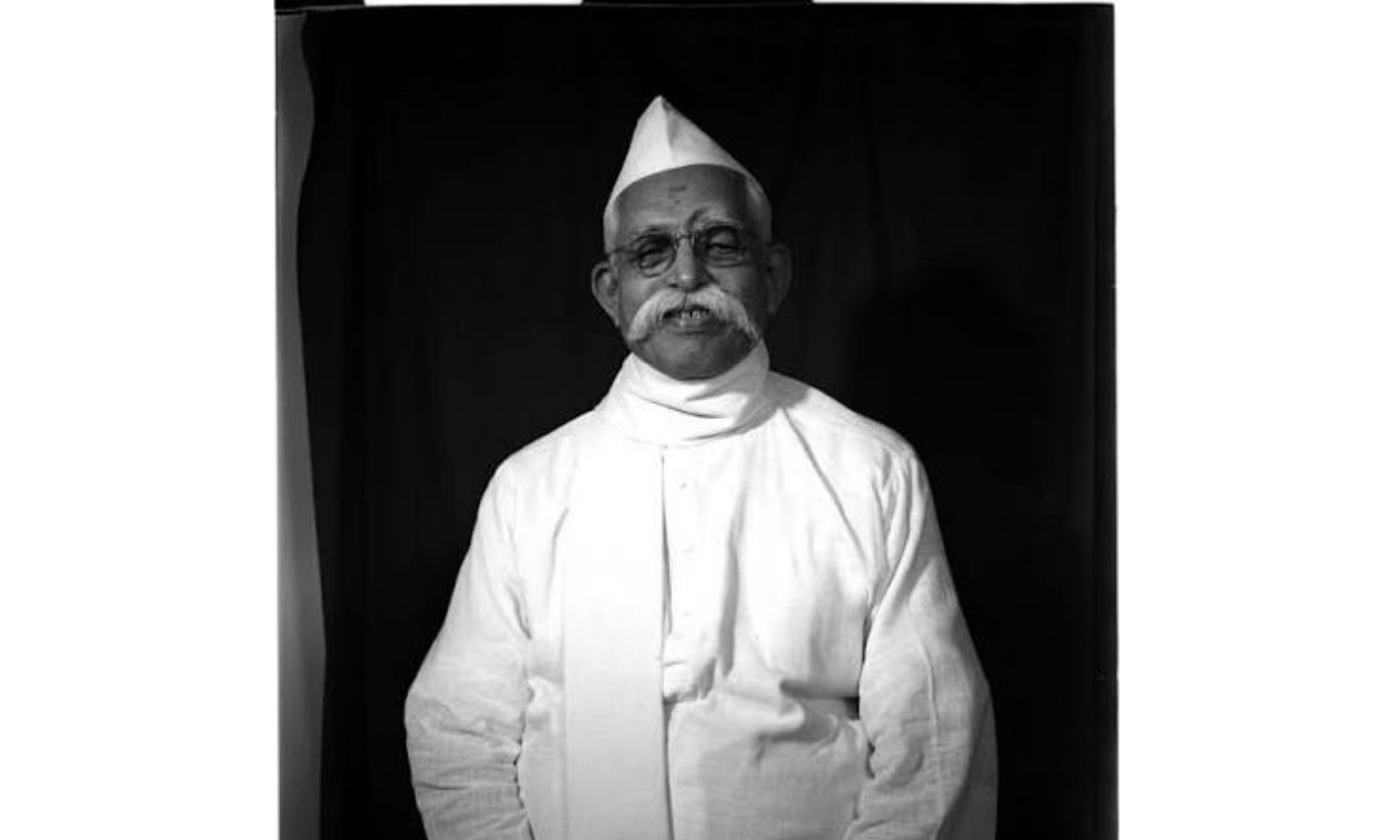
The article says government officers should follow the law and protect the public interest.
In the past, some officers could disagree with powerful politicians without being punished.
It gives the example of K.B.L. Seth, who calmly told a chief minister that a proposed decision broke the rules.
The article argues that many politicians now prefer officers who always obey them.
Some officers also accept this relationship because it can bring better jobs, promotions, or protection.
This can make corruption easier and hurt ordinary citizens.
Honest officers may be transferred or treated as troublemakers.
The author says stronger rules and personal courage are both needed to restore an independent civil service.

The article recalls K.B.L. Seth resisting an improper order from Chief Minister Ravi Shankar Shukla after Independence.
It argues that civil servants were once expected to provide independent, legally sound advice, including saying no to politicians.
Political patronage and bureaucratic pliability are described as mutually beneficial, rewarding compliance with postings, promotions, or protection.
The author says corruption and weakened neutrality make citizens’ rights depend on connections, political affiliation, or bribes.
Proposed reforms include transparent transfers, written orders, whistle-blower protection, and evaluations based on competence and integrity.
- Who
- Civil servants, politicians, and citizens are central to the article; it particularly discusses K.B.L. Seth and Ravi Shankar Shukla.
- What
- The article argues that political patronage and bureaucratic compliance have weakened the independence and integrity of India’s civil service.
- Where
- India, including the former Central Provinces and Berar; one anecdote takes place at an airport in New York.
- When
- The examples span the period after India’s Independence, including the 1970s, and the article discusses the situation in the present more generally.
- Why
- The author says restoring bureaucratic independence is necessary to protect the rule of law, accountability, and citizens’ rights.
Political Pressure
Bureaucratic Responsibility
Cause of declining independence
Political Pressure
The article says politicians increasingly want compliant officers and may expect bureaucrats to imitate the sycophancy shown by politicians toward their own superiors.
Bureaucratic Responsibility
The author says bureaucrats also helped create the problem by signaling that they were willing to be compromised in exchange for patronage.
Relationship between officials and politicians
Political Pressure
Politicians can provide postings, promotions, tenure extensions, or protection in return for compliance and improper favors.
Bureaucratic Responsibility
Officials may seek those benefits and facilitate rule-breaking, making corruption a mutually dependent and self-perpetuating arrangement.
How to restore the system
Political Pressure
The article calls for politicians to understand that disagreement from an officer does not necessarily mean opposition.
Bureaucratic Responsibility
Civil servants must reclaim professional self-respect, resist unlawful orders, preserve written records, and serve institutions rather than individual officeholders.
Key facts
- Historical example
- K.B.L. Seth told Chief Minister Ravi Shankar Shukla that an urgently requested decision violated existing rules.
- Political office
- Shukla was chief minister of the then state of Central Provinces and Berar, whose capital was Nagpur.
- Civil-service principle
- The article says bureaucrats should serve the Constitution, the law, and the public interest rather than individual politicians.
- Patronage benefits
- Pliability can bring desirable postings, extended tenure, promotions, proximity to power, or career protection.
- Risks to honest officers
- Officials who resist improper orders may be transferred, penalized, or labelled obstructive and lacking team spirit.
- Proposed safeguards
- The article recommends transparent postings, written records of important directions, whistle-blower protection, and integrity-based evaluations.
- Broader consequence
- The author links compromised institutions to corruption and citizens’ dependence on connections, political factions, or bribes.
Quotes
Ravi Shankar Shukla
Chief Minister of the then Central Provinces and Berar after Independence
“Sir, I am a covenanted officer, and removing me from service for doing my duty would not be possible. However, it is possible for you to appoint another chief secretary, and I am not enamoured of this post.”
 deccanchronicle.com
“What do you mean it is not possible? Everything is possible, even removing you from the service is possible.”
deccanchronicle.com
Sources
Related news

Sukhu’s Bureaucratic Gamble: Himachal Weighs Senior Officer Cadre Cuts
Overheard In Bhopal: Minister-Officer Nexus, Bribes, Transfer Stopped
Why Indian Bureaucrats See Inaction as the Safer Choice
Political Connections and Ambitions Shape Madhya Pradesh Government Postings
India’s Frayed Social Contract Tests Trust in Democratic Institutions

Kharge Credits Congress Food Policies, Questions Modi Government’s Record
Shivakumar Says Sita’s Sacrifice Inspires Women Entrepreneurs and Leadership
Minoo Masani’s Vision for an Anti-Communist Asian Alliance

Penguin India Denies External Pressure Over Sonia Gandhi Memoir
Kerala Leaders Condemn Scholar’s Remarks Restricting Women’s Public Roles