2 hrs ago
IIT Madras Maps Human Brain Through Imaging and Engineering
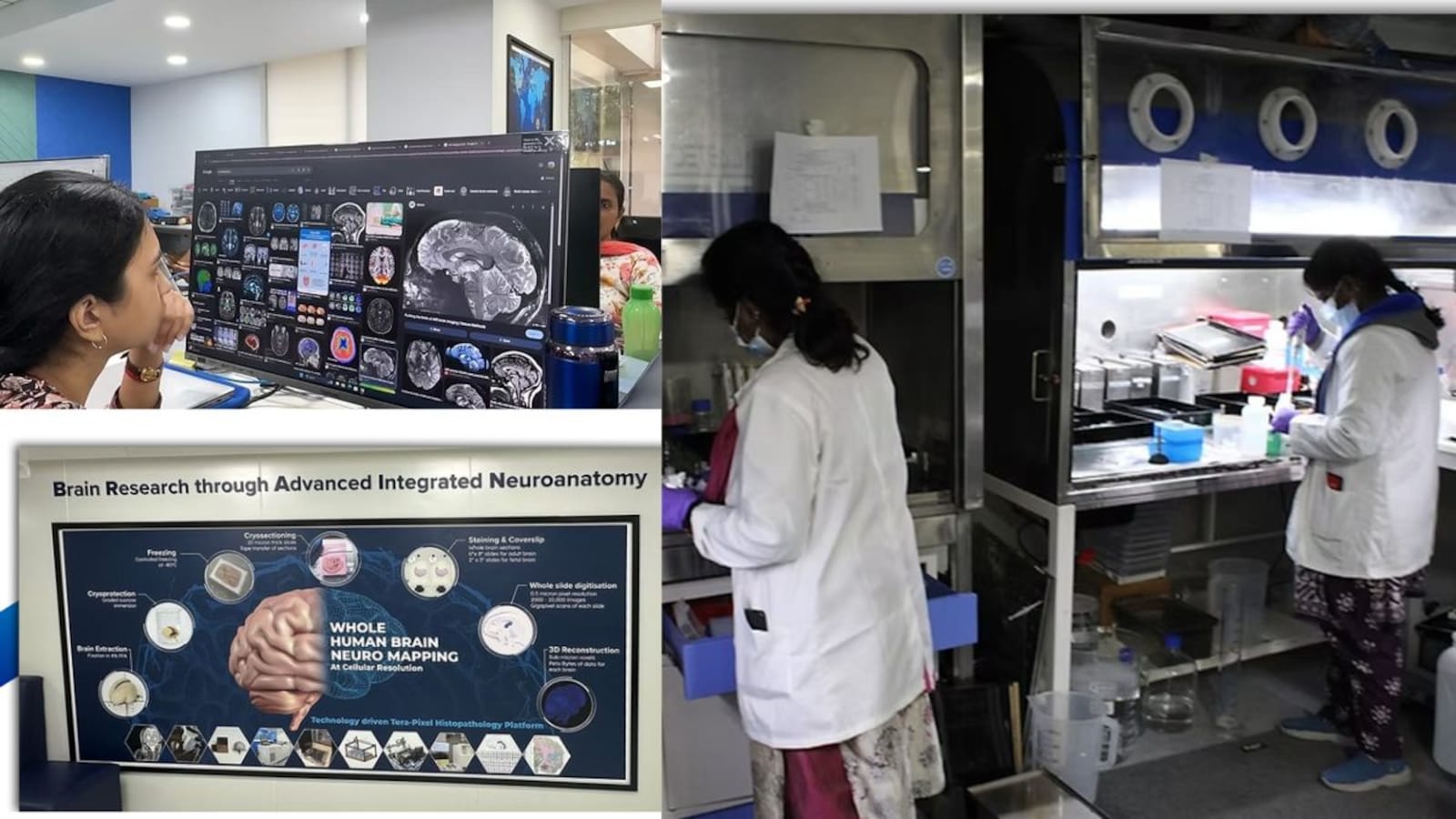
IIT Madras is working to make very detailed digital maps of human brains.
The project is led by the Sudha Gopalakrishnan Brain Centre.
Scientists carefully freeze brains, cut them into very thin slices, add stains, and scan them.
These scans help researchers see how the brain is organised.
The centre has collected more than 400 donated brains.
It works with doctors, engineers, and scientists from several countries.
Researchers hope the maps will improve understanding of brain diseases.
They are studying conditions such as strokes, rabies, dementia, and Alzheimer’s disease.

The Sudha Gopalakrishnan Brain Centre aims to map the human brain cell by cell and share the resource globally.
Established in 2022, the centre has expanded from five members to more than 200 doctors, scientists, technicians, and engineers.
Researchers freeze, slice, stain, and scan donated brains using high-resolution imaging equipment developed with an Indian company.
Each digitised brain can produce nearly 1.5 petabytes of data, while the centre has received more than 400 donated brains.
The centre collaborates with about 30 researchers across seven or eight countries to study diseases including strokes, rabies, dementia, and Alzheimer’s.
- Who
- The Sudha Gopalakrishnan Brain Centre at IIT Madras, led by Professor Mohanasankar Sivaprakasam with Scientific Director Dr Richa Verma.
- What
- A project to map human brains cell by cell through high-resolution imaging and digitalisation.
- Where
- IIT Madras in India, with collaborators in the United States and other countries.
- When
- The centre was established in 2022; the article describes its current research and collaborations.
- Why
- To understand how the human brain is organised and how diseases alter its structure, supporting research into neurological treatments.
Key facts
- Research centre
- Sudha Gopalakrishnan Brain Centre at IIT Madras
- Established
- 2022
- Team size
- More than 200 doctors, scientists, technicians, and engineers
- Donated brains
- More than 400
- Data per brain
- Nearly 1.5 petabytes
- International collaboration
- About 30 collaborators in seven or eight countries
- Diseases studied
- Strokes, rabies, dementia, and Alzheimer’s disease
Quotes
Mohanasankar Sivaprakasam
IIT Madras Electrical Engineering professor and SGBC leader
“Led by Prof Mohanasankar Sivaprakasam from the Department of Electrical Engineering, IIT Madras, with Dr Richa Verma as Scientific Director, SGBC has developed indigenous technologies for high-resolution brain imaging and digitisation. Each digital brain can generate nearly 1.5 petabytes of data.”
 NDTV
NDTV
“Today we have 30 collaborators worldwide, in seven or eight countries, on different continents. Most are visiting professors who come and stay for two or three months. This continues to grow, and the next stage is for students to also come and stay for longer periods”
NDTV
Sources
Related news
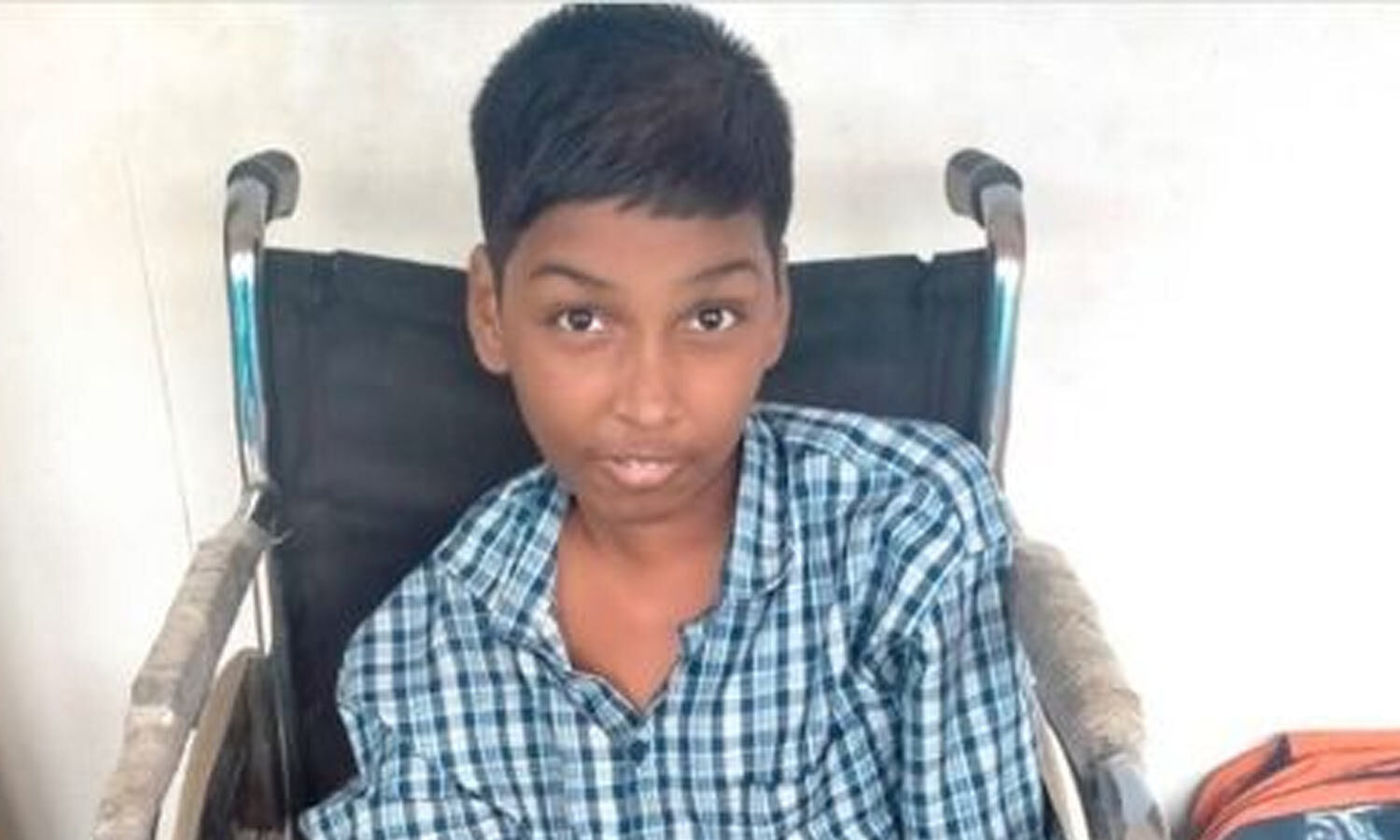
Teenager With Disability Secures IIT Madras Data Science Admission
India Debates Whether IIT Madras Should Build a Medical School
IIT Madras, UNESCO MGIEP Partner on Next-Generation Learning Technologies
Disability Does Not Stop Student From Securing IIT Madras Seat
Andhra Pradesh Launches Critical Care Blocks, Health Labs, Digital Records

Naidu Lays Foundation For LV Prasad Eye Institute In Amaravati

How Daily 30-Minute Walks Can Improve Mental Health
Long Covid Gut Study Shows Immune System Can't Clear Virus

Drug-resistant fungus Candida auris reported in 23 US states

Omega-3 Supplements Show No Cognitive Benefits