1 week ago
India Offers BIS Exemptions Framework for High-Tech Manufacturers
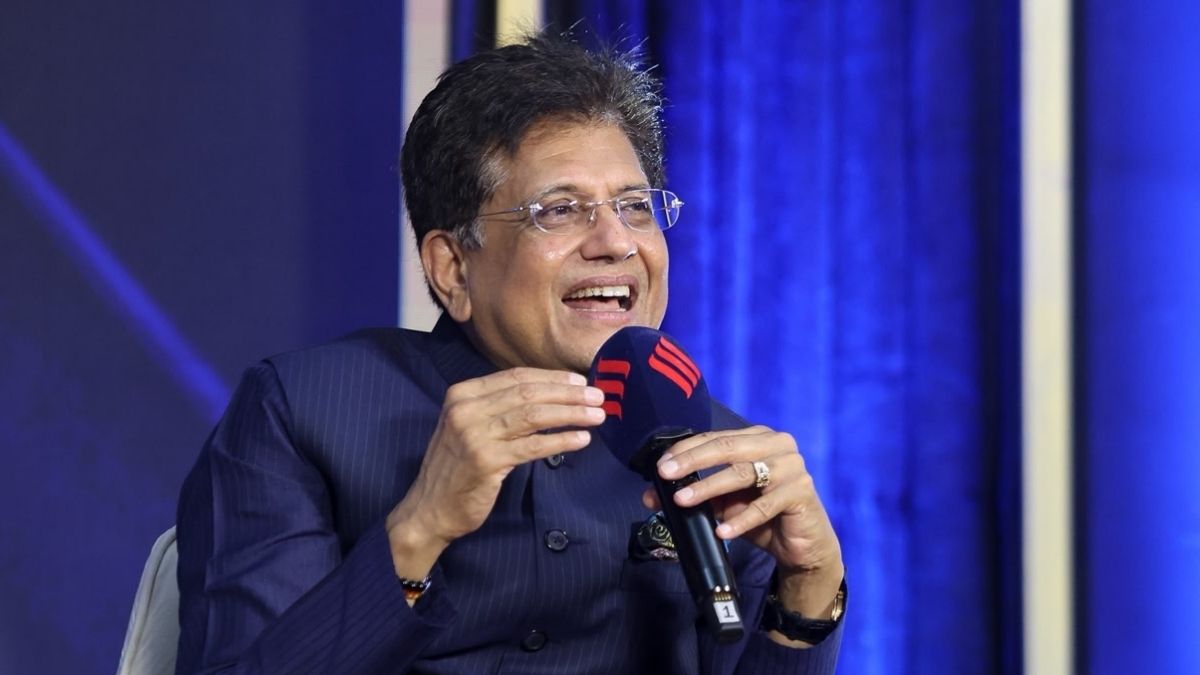
India wants more high-tech companies to build factories there.
Some Japanese companies said that certification rules were making it harder to bring in special machines and parts.
Commerce Minister Piyush Goyal said the government is creating a plan to make some of these rules easier for high-tech manufacturers.
The plan could help individual companies, whole industries, specific products or special projects.
The government says this will support its Make in India program.
India hopes its electronics market will grow to $150 billion by 2032.
It also wants to attract about $50 billion in semiconductor investment through its newer program.
India is building skills by training students in chip design at hundreds of universities.
The government expects a new semiconductor fabrication plant to be commissioned in 2028.

India will develop a framework to exempt high-tech manufacturers from some BIS certification requirements for imported equipment and components.
The proposal follows concerns from Japanese companies, including Tokyo Electron, about delays and regulatory complexity.
Exemptions could apply at the company, industry, product or project level to support timely supplies.
India expects electronics demand to reach $150 billion by 2032, while Semicon 2.0 could help generate about $50 billion in investment.
The government is expanding chip fabrication, packaging, research and training, with 68,000 students trained across 315 universities.
- Who
- Commerce and Industry Minister Piyush Goyal, the Bureau of Indian Standards, India's Ministry of Commerce and Industry, and Japanese high-tech companies including Tokyo Electron and Fuji Electric.
- What
- India is preparing exemptions from some BIS certification requirements for equipment and components imported by high-tech manufacturers.
- Where
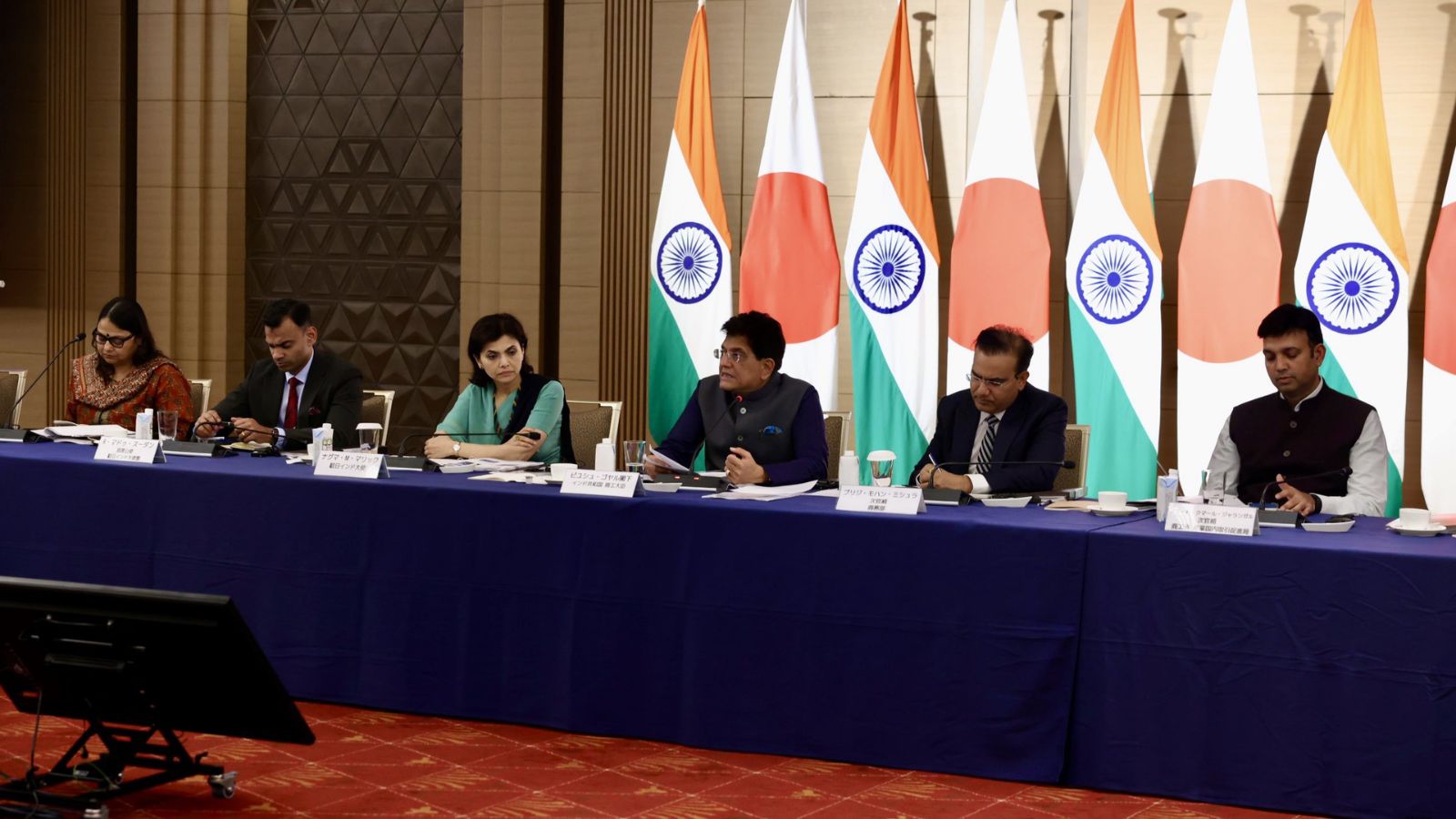
- The proposal concerns companies establishing manufacturing operations in India and was discussed at a semiconductor and artificial-intelligence roundtable in Tokyo.
- When
- The announcement was made on Tuesday; the government expects a new semiconductor fabrication plant to be commissioned in 2028.
- Why
- The government aims to prevent import delays, attract investment and support India's Make in India and semiconductor-development programs.
Industry Concerns
Government Response
BIS compliance
Industry Concerns
Japanese semiconductor and artificial-intelligence companies said mandatory certification requirements could delay imports of specialised equipment and components needed for manufacturing.
Government Response
The government has instructed the Bureau of Indian Standards and the Ministry of Commerce and Industry to create exemptions that allow timely supplies.
Regulatory complexity
Industry Concerns
Companies, including Fuji Electric, raised concerns about regulatory complexity and the need for support when establishing operations in India.
Government Response
Goyal said the central government would provide support and would also stand behind companies at the state and local levels.
Key facts
- Proposed relief
- Exemptions from BIS certification for specialised equipment and components needed by high-tech manufacturers.
- Possible scope
- Company-level, industry-level, product-based, project-based or bulk exemptions.
- Companies raising concerns
- Japanese firms including Tokyo Electron and Fuji Electric raised concerns about certification and regulatory complexity.
- Electronics demand
- India expects demand to reach up to $150 billion by 2032.
- Semiconductor investment
- The government says Semicon 2.0 could seed about $50 billion in investment; the reports describe its support as ₹1,27,500 crore in one account and another $15 billion commitment in another.
- Existing semiconductor program
- Semicon 1 reportedly provided about $10 billion and seeded roughly $19 billion through 13 approved projects.
- Training and timeline
- According to Goyal, 315 universities are training students in chip design, 68,000 students have been trained, and a new fabrication plant is expected in 2028.
Quotes

Piyush Goyal
India’s Commerce and Industry Minister
“We will be creating a framework which will either give company-level or industry-level exemptions. We will work on the framework as I get back to India and find a solution for bulk exemptions, or product- or project-based exemptions, or company-based exemptions, so that we can have timely supply of products, goods and services, and support your work in India.”
 financialexpress.com
 livemint.com
“The world is showing greater confidence in India. We will make efforts to attract more manufacturers to come to India to set up fabs and manufacture chips, including silicon fabs, compound semiconductor fabs, discrete component fabs, display fabs, etc”
livemint.com
Sources

Related news
India Promises Easier Rules to Expand Japanese Semiconductor Investment
India Plans New Rules to Support Semiconductor, Auto Manufacturing
India Reconsiders BIS Standards Rules for High-Tech Manufacturing
India's Semiconductor Expansion: 5-6 Projects Expected by End of 2026

Piyush Goyal Pushes India-Japan Investment in Chips and Industry

Japan Cricket Boss Defends Asian Games Facilities Against Concerns

Mitsubishi Revives Pajero With 201PS Fifth-Generation SUV

Europe's Bond Selloff Deepens as Middle East Tensions Lift Oil

Uday Kotak Warns Global Bond Markets Face Roller-Coaster Volatility

Global Bond Sell-Off Pushes Japan Yields To 30-Year High