1 week ago
India Promises Easier Rules to Expand Japanese Semiconductor Investment
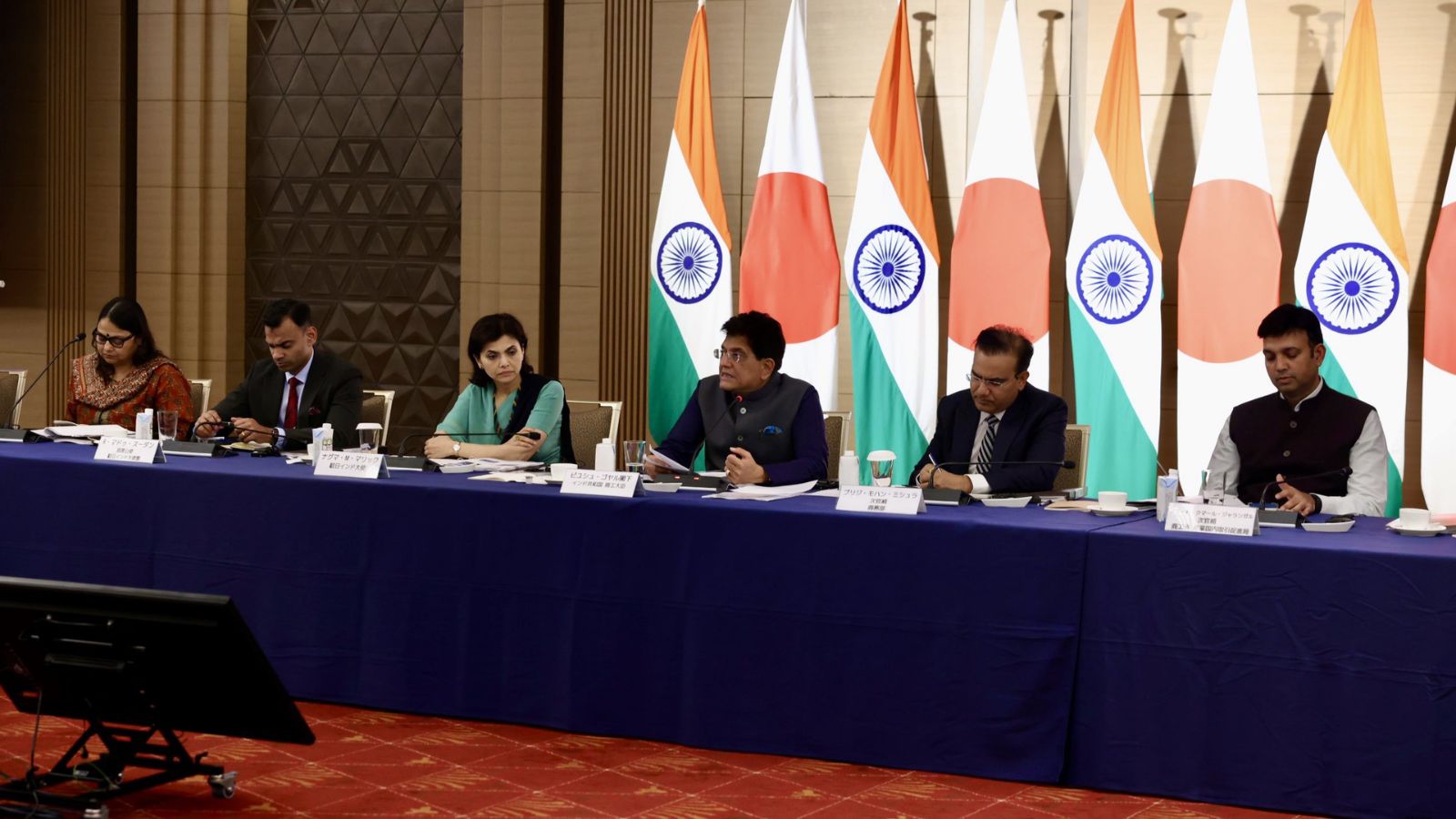
India wants more Japanese companies to help build computer chips and electronic products.
Minister Piyush Goyal said the government will make some rules easier for these companies.
This may include exemptions from certification requirements for imported equipment and parts.
India also plans to improve facilities near places such as Dholera and Sanand.
These facilities could include schools, hospitals, hotels, housing and reliable utilities.
India hopes Japanese companies will work across chip design, equipment, factories, packaging, research and training.
The government says India’s need for semiconductors could reach about $150 billion by 2032.
It also says its semiconductor incentives have already helped attract investments and that more support is planned.

Commerce Minister Piyush Goyal said India will ease regulatory and certification hurdles for Japanese high-tech companies.
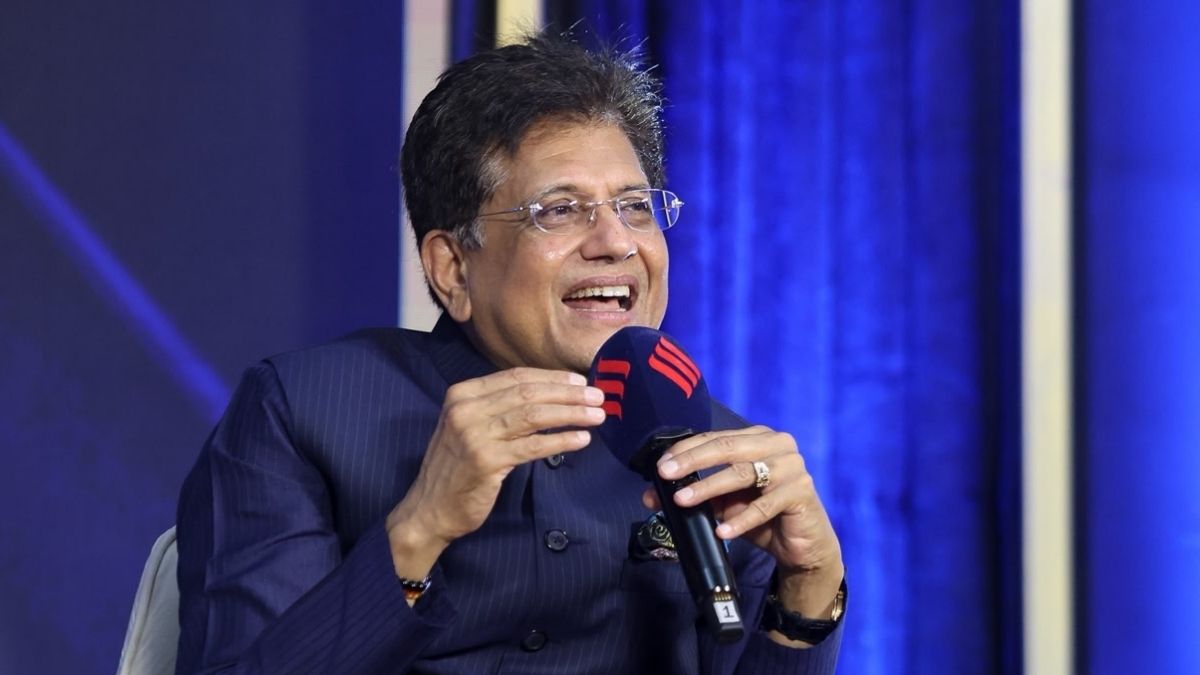
The government is developing company-level, industry-level, bulk, product-based or project-based exemptions from Bureau of Indian Standards certification.
India plans Japan-friendly infrastructure around Dholera and Sanand, including schools, hospitals, lodging, restaurants and logistics facilities.
Goyal said India’s semiconductor demand could reach about $150 billion by 2032, while the government has committed $15 billion for its programme’s second phase.
India’s first semiconductor programme phase reportedly helped seed $19 billion in investments, while the second phase is expected to support about $50 billion.
- Who
- Commerce and Industry Minister Piyush Goyal and representatives of about 25 Japanese companies.
- What
- India promised to ease regulatory hurdles and improve incentives and infrastructure to attract Japanese semiconductor and electronics investment.
- Where
- The discussion involved India’s proposed hubs, including Dholera and Sanand; the article’s correspondent was reporting from Tokyo.
- When
- At the reported Semiconductor and AI roundtable; the article does not specify a date.
- Why
- India wants to expand semiconductor manufacturing, strengthen electronics production and attract Japanese expertise and investment across the value chain.
Industry Concerns
Government Assurances
Regulatory and certification requirements
Industry Concerns
Some Japanese companies raised concerns about Bureau of Indian Standards certification requirements and regulatory complexity.
Government Assurances
Piyush Goyal said India would develop exemptions for high-tech equipment and components, including possible bulk, product-based or project-based exemptions.
Operating conditions in India
Industry Concerns
Japanese companies sought dependable utilities, logistics and suitable social infrastructure for employees and their families.
Government Assurances
Goyal promised reliable electricity, ultra-pure water, clean rooms, waste treatment, logistics and facilities such as schools, hospitals, lodging and restaurants.
Implementation across government levels
Industry Concerns
Companies expressed concerns about regulatory complexity and timely notifications under frameworks such as SEZ, EOU and MOOWR.
Government Assurances
Goyal said the central government would provide support and work with state and local authorities to address these issues.
Key facts
- Expected semiconductor demand
- About $150 billion in India by 2032.
- Japanese participation
- Representatives of around 25 leading Japanese companies attended the roundtable.
- First programme phase
- About $10 billion in incentives reportedly helped seed around $19 billion in investments.
- Second programme phase
- The government has committed another $15 billion and expects it to seed around $50 billion in investments.
- Electronics exports
- India’s electronics exports reached nearly $45 billion to $50 billion in recent years.
- Priority areas
- Design, machines and materials, fabrication, ATMP and OSAT, research and development, and talent development.
- Existing cooperation
- India’s Ministry of Electronics and Information Technology and Japan’s Ministry of Economy, Trade and Industry signed a semiconductor supply-chain resilience agreement in 2023.
Quotes

Piyush Goyal
India’s Commerce and Industry Minister
“We have already instructed BIS and the Ministry of Commerce and Industry to work on a framework to support high-tech industries coming in to promote the Make in India program. Create a framework of exemption from BIS certification required for all the equipment and components that they need to bring to India.”
 indianexpress.com
“Between Dholera and Sanand, we can create social infrastructure like schooling, lodging, hospital, restaurants, hotels, and possibly a golf course also, so that we can make you feel at home.”
indianexpress.com
Sources
Related news
India Offers BIS Exemptions Framework for High-Tech Manufacturers
India Plans New Rules to Support Semiconductor, Auto Manufacturing

Piyush Goyal Pushes India-Japan Investment in Chips and Industry

Piyush Goyal Invites Japanese Firms to Join India’s Semiconductor Boom

Goyal Urges Japanese Firms to Double India Presence by 2030
India and Japan Push AI, Semiconductor Manufacturing Partnership

Japan Cricket Boss Defends Asian Games Facilities Against Concerns

Mitsubishi Revives Pajero With 201PS Fifth-Generation SUV

Europe's Bond Selloff Deepens as Middle East Tensions Lift Oil

Uday Kotak Warns Global Bond Markets Face Roller-Coaster Volatility
Global Bond Sell-Off Pushes Japan Yields To 30-Year High