20 hrs ago
US Strikes Iran Near Hormuz as Tehran Threatens Retaliation

The United States says it attacked military targets connected to Iran’s Revolutionary Guard.
The attacks happened near the Strait of Hormuz, an important waterway for ships carrying oil.
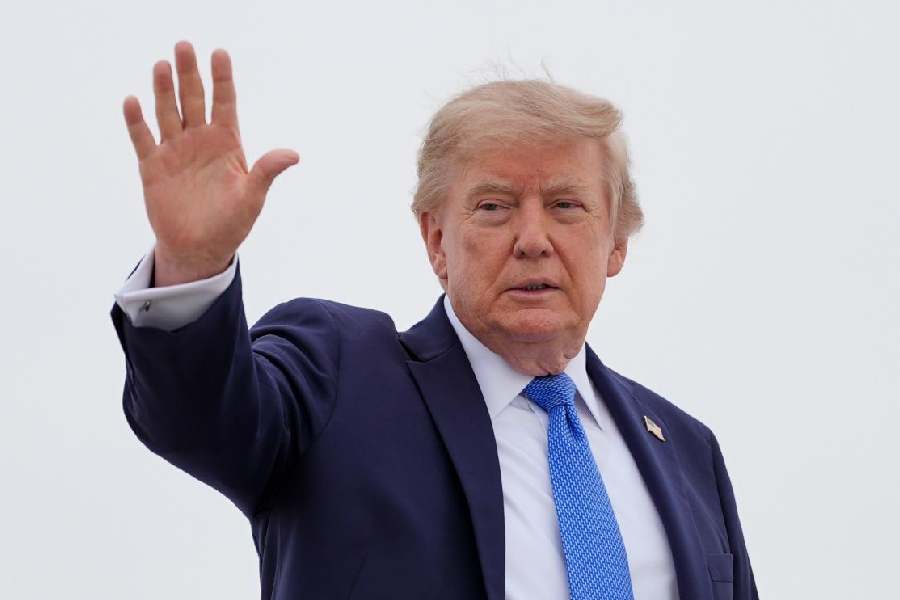
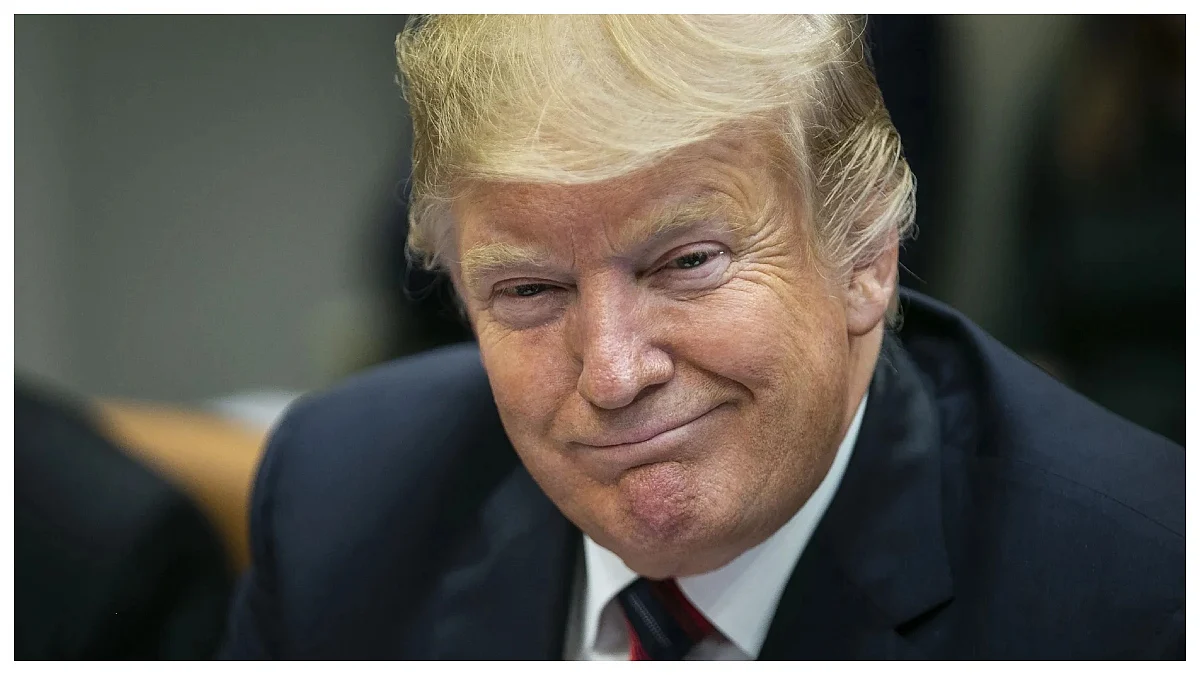
President Donald Trump said the strikes were a response to an alleged attempt by Iran to place mines in the waterway.
He also cited eight missiles fired at a US military base in Jordan, which he said were stopped.
The US military said it hit radar, air-defense, maritime, communications, and mine-laying sites.
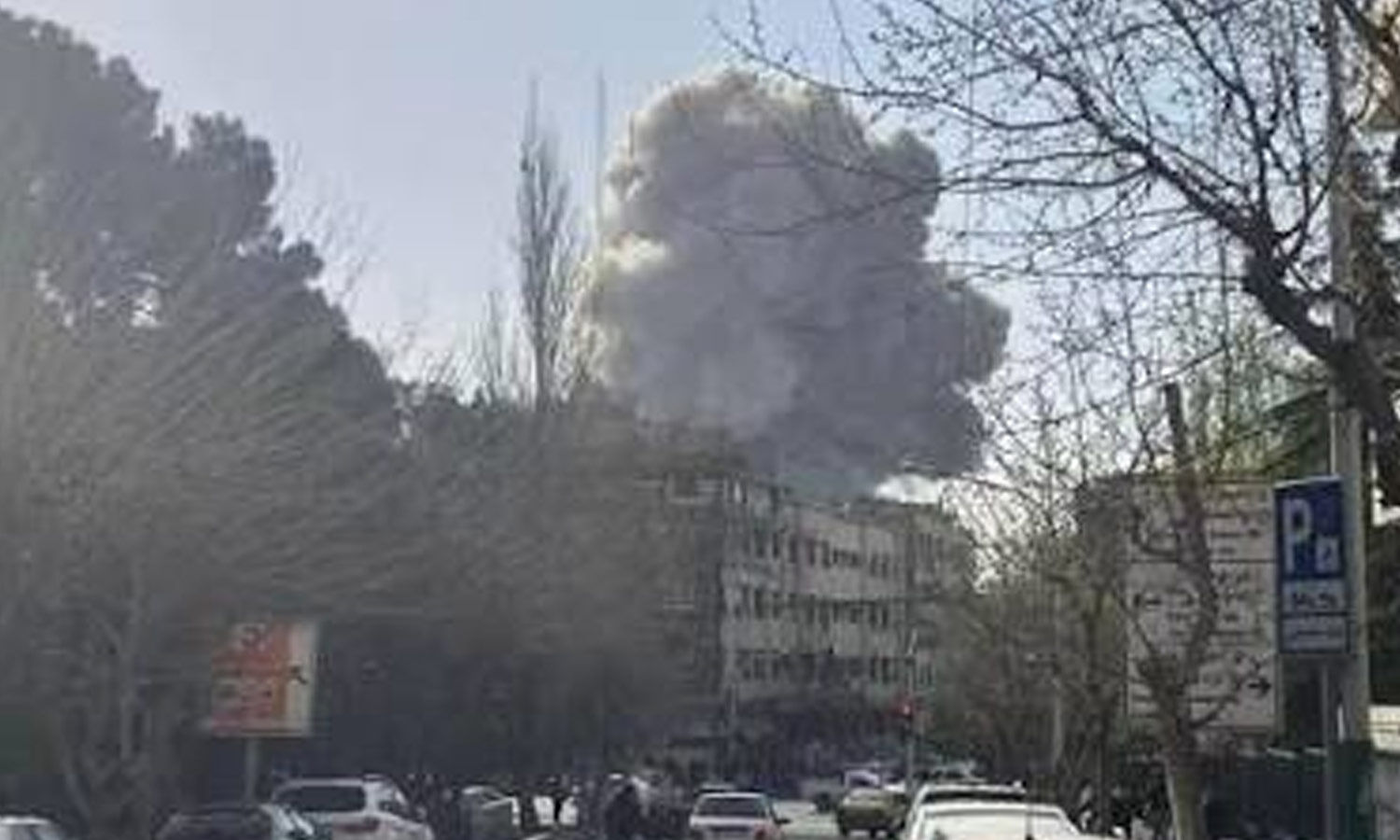
Iranian news organizations reported explosions in several Iranian cities and areas.
They also said that some civilian facilities may have been damaged.
Iran threatened to strike back, and Iranian media reported missile and drone attacks toward US interests.
The fighting increased worries about shipping and energy supplies.

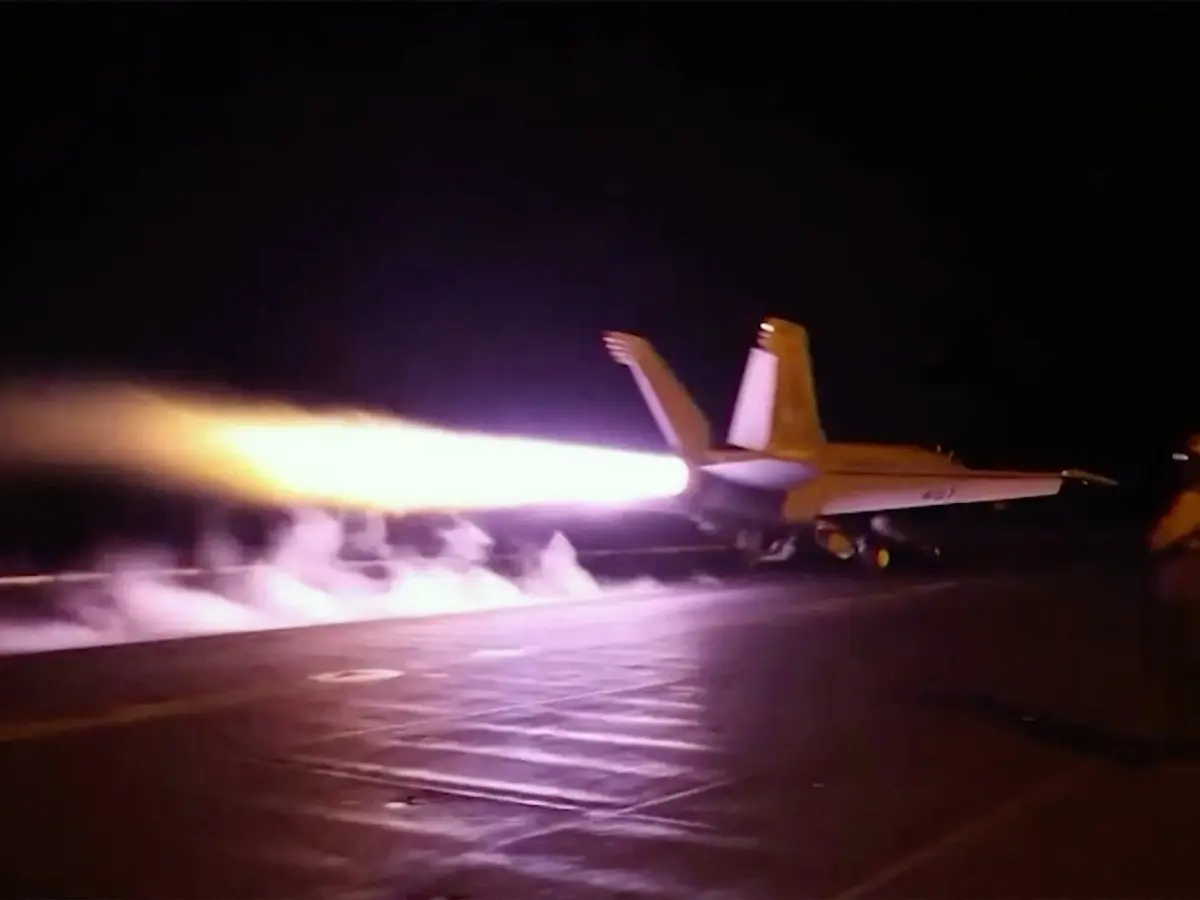
US forces said they began striking Islamic Revolutionary Guard Corps targets in Iran at 12 p.m. ET Tuesday.
President Donald Trump said the attacks responded to an alleged Iranian sea-mine attempt and eight missiles fired at a US base in Jordan.
CENTCOM said targets included air-defense and radar systems, maritime assets, mine-laying capabilities, communications sites, and related facilities.
Iranian media reported explosions at several locations and alleged damage to civilian sites, including a fishmeal factory, fishing pier, and port-authority tower.
Iranian officials threatened severe retaliation, while reports said missiles and drones were launched toward US bases and interests in the region.
- Who
- The United States, President Donald Trump, Iran, the Islamic Revolutionary Guard Corps, and Iranian military authorities are involved.
- What
- US forces launched strikes against IRGC targets in Iran, followed by Iranian threats and reported missile and drone attacks.
- Where
- The strikes and reported explosions occurred in Iran near the Strait of Hormuz, including Qeshm Island, Bandar Abbas, Sirik, Jask, Chabahar, Asaluyeh, and Jiroft.
- When
- The US strikes began at 12 p.m. Eastern Time, or 1600 GMT, on Tuesday; reported Iranian retaliation came Tuesday evening.
- Why
- The United States said it was responding to alleged Iranian attacks on commercial shipping and US personnel, an attempted sea-mine operation, and eight missiles fired at a US base in Jordan.
United States Position
Iranian Position
Purpose and legitimacy of the strikes
United States Position
The United States described the strikes as a justified response to alleged Iranian attempts to mine the Strait of Hormuz and attacks on commercial shipping and US personnel.
Iranian Position
Iranian reports portrayed the operation as an attack on Iranian territory and alleged that civilian infrastructure, including a factory and fishing facilities, was hit.
Reported damage and military results
United States Position
CENTCOM said it struck IRGC military capabilities, while Trump claimed US forces destroyed substantial radar systems, including systems Iran had tried to rebuild.
Iranian Position
Iranian media reported explosions at multiple locations and claimed that a civilian airport and other nonmilitary sites were targeted; these claims were not independently confirmed in the articles.
Retaliation and escalation
United States Position
Trump warned that Iran would face a stronger response if it retaliated and said an even larger attack remained possible.
Iranian Position
Iranian military authorities promised severe retaliation, and Iranian media reported missile and drone launches toward US bases and interests in regional countries.
Key facts
- US strike time
- Tuesday at 12 p.m. ET, or 1600 GMT
- US-reported targets
- IRGC air-defense sites, radar systems, maritime assets, mine-laying capabilities, communications sites, and other facilities
- US justification
- Alleged Iranian attacks on commercial shipping and American service members, an attempted sea-mine operation, and eight missiles fired at a US base in Jordan
- Reported Iranian locations
- Explosions were reported on Qeshm Island and in Bandar Abbas, Sirik, Jask, Chabahar, Asaluyeh, and Jiroft
- Iranian response
- Iranian officials threatened “crushing and devastating blows,” while media reported missile and drone launches toward US bases and interests
- Strait of Hormuz
- The waterway normally carries roughly one-fifth of global oil supplies
- Energy impact
- Oil prices and US gasoline prices rose amid concerns about disruptions; AAA put average regular gasoline at about $4.10 per gallon, compared with $3.19 a year earlier
Quotes
Islamic Revolutionary Guard Corps
Iranian military organization quoted by Iran’s Fars news agency
“Today at 12 p.m. ET, U.S. forces began striking Islamic Revolutionary Guard Corps (IRGC) targets in Iran. The strikes follow recent attempted attacks by the IRGC against commercial shipping in the Strait of Hormuz and against American service members deployed to the region.”
 livemint.com
 rediff.com
“U.S. forces struck Islamic Revolutionary Guard Corps (IRGC) targets including air defense sites, radar systems, maritime assets and facilities, mine laying capabilities, and communications sites.”
 thestatesman.com
Iranian General Staff of the Armed Forces and Khatam al-Anbiya Central Headquarters
Iranian military authorities responding to the reported US strikes.
“We have repeatedly declared and remain determined that, under no circumstances, will we back down from the rights of the heroic Iranian nation, and we will impose heavy costs on the American enemy.”
rediff.com
Sources


Related news
US-Iran Conflict Escalates After Iranian Missile and Drone Retaliation
US Launches Fresh Iran Strikes Near Strait of Hormuz

US Launches Strikes on Iran After Attacks on Bases
Trump Defends US Strikes Near Hormuz, Warns Iran of Escalation
US Launches Fresh Strikes on Iran After IRGC Attacks
US Strikes Iran’s IRGC Targets After Strait Shipping Attacks

Chevron Plans $7 Billion Venezuela Expansion Amid U.S. Oil Push

Saudi Arabia Says Iranian Tanker Attack Killed Two Sailors
U.S.-Iran Exchange Escalates Across Middle East, Markets Slide
Trump Aides Seek Quiet Iran War Before Midterm Elections
US Warns Middle East Travelers Amid Escalating Iran-Linked Tensions