

1 week ago
RBI Forex Swap Facility Draws $72.85 Billion in Inflows
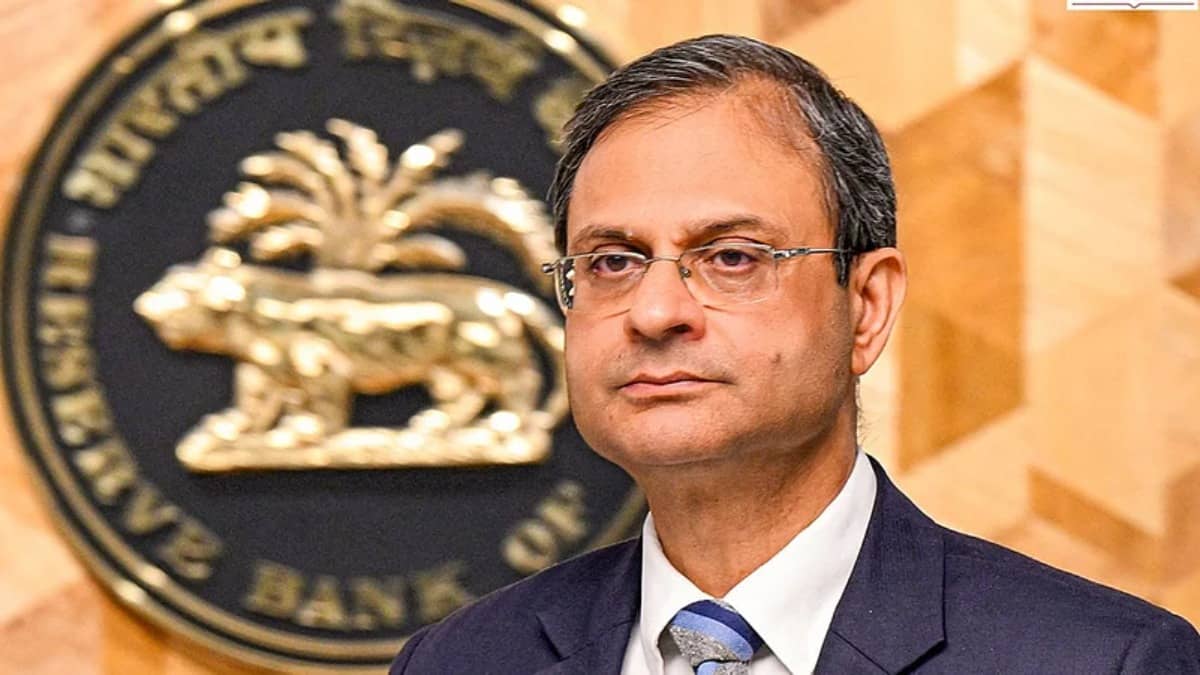
The Reserve Bank of India created a program to bring more foreign money into India.
By August 21, the program had attracted about $72.85 billion.
Most of the money came from FCNR(B) deposits, which let eligible overseas depositors keep money in foreign currencies at Indian banks.
Smaller amounts came through overseas and external commercial borrowings.
The RBI gave banks rupees in exchange for eligible foreign currency under the swap arrangement.
The program was intended to improve foreign-exchange liquidity and support the financial system.
The RBI says the strong response allowed it to close the FCNR(B) part earlier than planned.
Some analysts said the program could involve high hedging costs and temporarily affect banks’ profit margins.
The borrowing windows for ECBs and OFCBs will remain open until December 31.

The RBI’s special USD-INR forex swap facility attracted approximately $72.85 billion through August 21, 2026.
FCNR(B) deposits contributed $65.397 billion, nearly 90% of total inflows.
OFCBs generated $4.860 billion and ECBs contributed $2.591 billion.
The RBI launched the facility on June 8 to encourage foreign-currency inflows and strengthen domestic forex liquidity.
The FCNR(B) window closes August 31, while ECB and OFCB access continues until December 31, 2026.
- Who
- The Reserve Bank of India, authorised dealer banks, and eligible participants including overseas depositors and borrowers.
- What
- A special USD-INR forex swap facility mobilised approximately $72.85 billion in foreign-currency inflows.
- Where
- Through India’s banking and foreign-exchange system.
- When
- The facility began on June 8, 2026; inflows were reported through August 21, with data released on August 22, 2026.
- Why
- To encourage foreign-currency inflows, strengthen domestic forex liquidity, and support the foreign-exchange market.
RBI rationale and liquidity benefits
Analyst concerns and limitations
Why the FCNR(B) window closed early
RBI rationale and liquidity benefits
The RBI described the earlier August 31 closure as a calibration made from a position of strength after inflows exceeded expectations. It said the benefit from each additional dollar was declining while the costs of managing additional rupee liquidity were rising.
Analyst concerns and limitations
Some analysts suggested that the potentially high cost of hedging the deposits may have influenced the decision. SBI Research estimated the cost could be around 15% of the amount raised, though this was presented as an estimate.
Effect on the rupee and reserves
RBI rationale and liquidity benefits
The facility brings foreign currency into the domestic financial system, improves forex liquidity, and supports the foreign-exchange market. Governor Sanjay Malhotra said intervention was intended to limit excessive volatility and speculation, not target a particular exchange-rate level.
Analyst concerns and limitations
Analysts viewed the scheme mainly as a liquidity measure rather than a direct trigger for sustained rupee appreciation or a major increase in foreign-exchange reserves. The exchange rate remained market determined.
Effect on banks
RBI rationale and liquidity benefits
Participating banks received concessional swap arrangements, a zero-cost principal hedge, and certain regulatory and leverage-related benefits. Some lenders said they could use the additional liquidity to replace more expensive bulk deposits.
Analyst concerns and limitations
The availability of relatively cheaper deposits could put downward pressure on deposit rates and temporarily reduce banks’ net interest margins by an estimated 3–15 basis points. Questions also remain about how much mobilisation represented genuinely new foreign currency entering the system.
Key facts
- Total inflows
- $72.848 billion, or approximately $72.85 billion, through August 21, 2026
- FCNR(B) deposits
- $65.397 billion, nearly 90% of total inflows
- OFCB inflows
- $4.860 billion
- ECB inflows
- $2.591 billion
- Facility launch
- June 8, 2026
- FCNR(B) deadline
- August 31, 2026, moved forward from the original September 30 deadline
- ECB and OFCB deadline
- December 31, 2026
- FCNR(B) swap date
- Swaps against deposits mobilised under the facility can reportedly be undertaken with the RBI until September 11
Quotes

Sanjay Malhotra
Governor of the Reserve Bank of India
“The scale of hedging cost (borne by the central bank) was unlikely to have been a binding factor, with funds raised to-date deemed to be sufficient to prop the BOP back to a position of strength.”
 indianexpress.com
“It will not be correct to call it a U-turn; it is rather a calibration”
 financialexpress.com
Sources
RBI’s forex swap window draws $72.85 billion inflows till August 21

RBI Forex Swap Scheme Attracts $72.85 Billion Inflows, FCNR(B) Deposits Account For Lion’s Share

RBI forex swap facility draws $72.85 billion inflows, FCNR(B) deposits account for bulk
RBI's Foreign Currency Inflows Through FCNR(B) Deposits Attracts $65 Billion Ahead of Aug 31 Deadline for RBI's Concessional Swap Window
RBI’s ‘calibration’ pays off as forex swap inflows hit $72.85 bn; FCNR(B) deposits do heavy lifting
Related news

RBI's concessional swap facility attracts USD 56.85 billion forex inflows

RBI Forex Swap Draws $136.4 Billion, Led by FCNR(B) Deposits
RBI Ends FCNR Swap Facility Early as Dollar Inflows Surge
FCNR(B) Inflows Cross $100 Billion as RBI Closes Window

RBI Forex Swap Draws $73 Billion in Inflows

India’s Foreign Currency Facility Draws $72.85 Billion

Indian Bond Yields Near 7% as Rate Hike Bets Rise

India Hosts BRICS 2026 Amid US-Iran War Tensions

Finance Ministry Flags Global Yield and Inflation Risks for India

HDFC Bank CEO Jagdishan Opts Out of Reappointment
