1 hr ago
India’s Repair Revival Brings Fashion Back Toward Sustainability
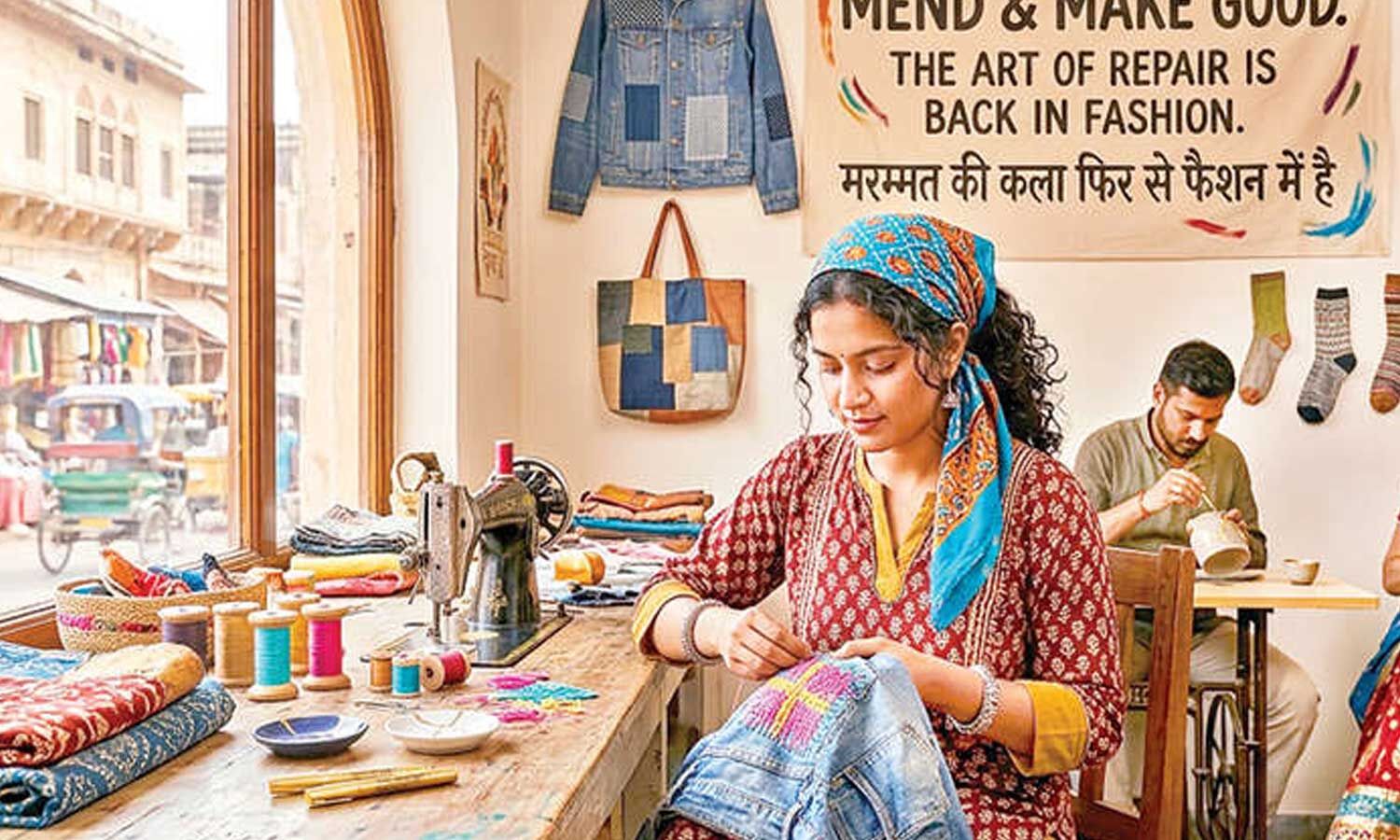
Many people are choosing to fix clothes instead of throwing them away.
Young shoppers especially like secondhand and repaired clothing because they see it as better for the planet.
Fast fashion creates a lot of waste, so repair can help clothes last longer.
Some large brands, including Levi Strauss & Co.
and Uniqlo, now offer repair services.
Other brands are working with specialist companies to provide mending and alteration services.
France has introduced policies and incentives to encourage repairs.
Repair work can be difficult because skilled workers and facilities are expensive.
In India, repair businesses could reduce textile waste while creating jobs.

Indian fashion brands and retailers are expanding repair, alteration, and mending services as interest in slow fashion grows.
Generation Z and some millennials are driving thrift, resale, and repurposed fashion as ethical and status-conscious choices.
Levi Strauss & Co. and Uniqlo have introduced repair services internationally, while Marks & Spencer and Primark have partnered with repair companies.
The global secondhand market was valued at $475.19 billion in 2025 and is projected to reach $854.57 billion by 2030.
India’s repair sector could create employment while supporting circular fashion and the country’s goal of net-zero emissions by 2070.
- Who
- Fashion retailers, repair companies, younger consumers, and Indian fashion businesses are involved.
- What
- Repair, alteration, resale, and other circular-fashion services are becoming more prominent in India and internationally.
- Where
- India, France, Paris, Europe, and international retail markets are discussed.
- When
- The article describes a current trend and cites secondhand-market projections for 2025 and 2030, along with European repair legislation dated 31 July 2026.
- Why
- Growing concern about textile waste, fast fashion, climate impacts, and rising consumer interest in sustainable clothing are encouraging repair services.
Sustainability and repair advocates
Commercial and operational skeptics
Environmental value
Sustainability and repair advocates
Repair extends garment lifecycles, reduces textile waste and overproduction, and supports the circular economy.
Commercial and operational skeptics
Repair is labour-intensive, and manual or trained labour can cost as much as producing a new garment.
Brand strategy
Sustainability and repair advocates
Retailers can respond to younger consumers’ interest in slow, ethical, and mindful fashion while strengthening sustainability goals.
Commercial and operational skeptics
Some brands may view repair as a potential sales deterrent because customers may buy fewer new products.
Industry growth
Sustainability and repair advocates
Repair businesses in India could create jobs and develop new business opportunities in service, repair, and fashion technology.
Commercial and operational skeptics
The sector faces limited infrastructure, scarce skilled capacity, and slow scalability, while resale and repair costs can be high.
Key facts
- Secondhand market, 2025
- The global secondhand-products market was cited at $475.19 billion.
- Projected market, 2030
- The market is projected to reach $854.57 billion.
- Projected CAGR
- The cited compound annual growth rate is 12.4%.
- France repair incentive
- France has an approved 5.5% VAT rate on repair services, according to the article.
- United Repair Centre workforce
- The organisation employs approximately 51 tailors.
- United Repair Centre output
- It repairs approximately 55,000 pieces annually.
- India’s climate commitment
- The article says repair could support India’s commitment to reach net-zero emissions by 2070.
Sources
Related news

India Urges Stronger Textile Recovery Frameworks for Climate Commitments

Legacy Indian Fashion Brands Build New Labels For Gen Z
Indian Designers Turn Heritage Weaves Into Contemporary Luxury
Peter England Launches Vybe to Court Gen Z Shoppers

India’s Refurbished Phone Market Shifts Upmarket as iPhones Lead

OneAssist, Cashify Offer Screen Protection for Refurbished Phones

Sabyasachi Challenges Custom Couture, Urges Celebrities to Embrace Personal Style
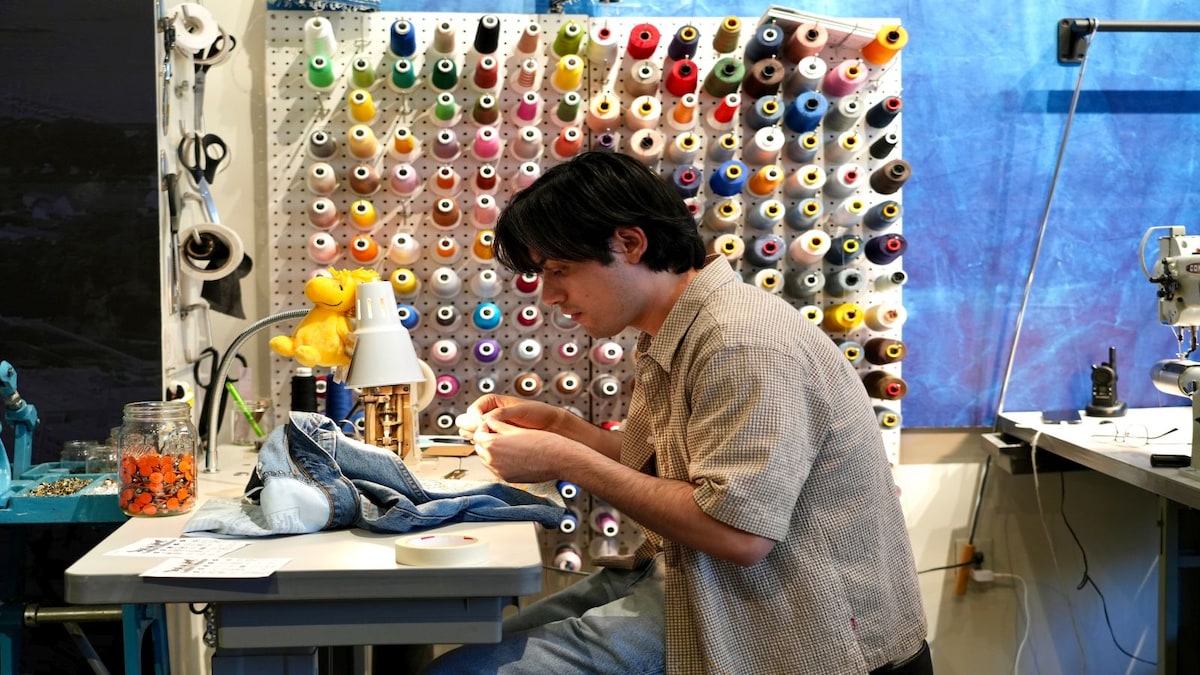
Fashion brands use repairs, sewing classes to win over Gen Z

Tata CLiQ's Moments that CLiQ Sale

Jeans: How a Work Uniform Became a Culture War Battleground