3 weeks ago
Fashion brands use repairs, sewing classes to win over Gen Z
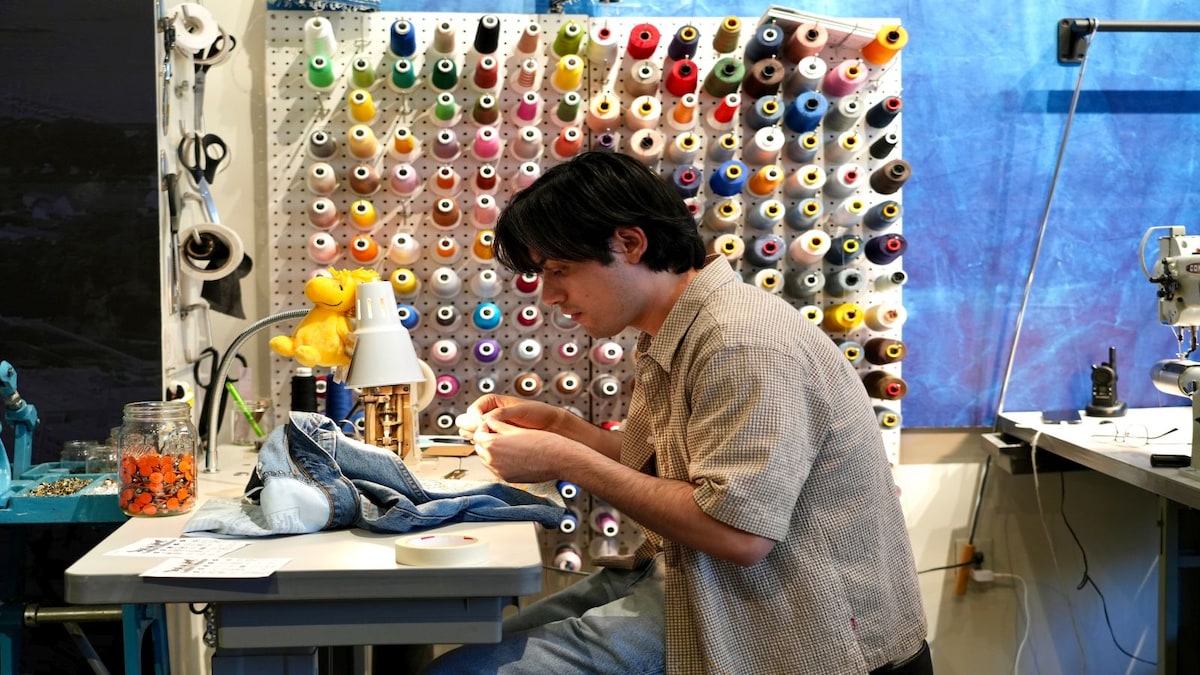
Some big clothing stores now teach people how to fix their clothes instead of throwing them away.
Companies like Levi's, Uniqlo and Primark hope this will make young shoppers like them.
Many young people like buying used clothes and want to help the planet, but they never learned how to sew.
The stores hold workshops where people learn things like sewing on a button or patching a hole.
Making new clothes creates a lot of waste and pollution, which hurts the Earth.
Fixing clothes can help, because it makes them last longer.
But some experts say so many new clothes are still being made that repairs alone will not fix the problem.
The article says a garbage truck's worth of fabric waste is created every second around the world.
Even so, stores hope teaching these skills will make people think of them as good companies.

Levi's, Uniqlo, Primark and other apparel brands are offering in-store repairs and sewing workshops to appeal to Gen Z shoppers who want to save money and the planet.
Levi's created a 90-minute handstitching course for high school students and is expanding its Wear Longer repair program across the US.
The United Nations Environment Program estimates the world generates fabric waste at a rate equivalent to a garbage truck's worth dumped or incinerated every second.
Clothing production roughly doubled between 2000 and 2015, while the average number of wearings per garment declined about 36%, according to the Ellen MacArthur Foundation.
Experts disagree on the impact: some say repairs build customer loyalty, while sustainability professor Kate Fletcher argues repairs cannot offset the industry's overproduction and growing garment volumes.
- Who
- Fashion retailers including Levi's, Uniqlo, Primark, Zara and H&M, along with consumers like Detroit resident Chloe Halprin and experts such as Kate Fletcher and Neil Saunders.
- What
- Clothing brands are adding repair services and sewing workshops to attract Gen Z shoppers interested in saving money and reducing waste.
- Where
- Levi's retail store in downtown San Francisco, with programs expanding across the US and offered in countries including the UK, Ireland, Spain, Japan and the EU.
- When
- Reported in July 2026, following years of growth in such programs (e.g., Zara's resale platform launched in 2022; Primark held more than 730 workshops).
- Why
- Brands face pressure to reduce environmental impact and want to appeal to Gen Z consumers motivated by sustainability, inflation and limited budgets.
Repair programs as meaningful progress
Repair programs as insufficient
Environmental impact of repairs
Repair programs as meaningful progress
Repairing and reselling clothes can reduce a garment's environmental impact, especially if it delays or replaces a new purchase; retail analyst Neil Saunders says mending addresses deeper consumer needs and 'puts a halo on the brand.'
Repair programs as insufficient
Professor Kate Fletcher doubts repair initiatives will have much environmental impact because the industry's main impact comes from overproduction, and repairing happens in addition to, not instead of, growing production volumes.
Is Gen Z really changing habits?
Repair programs as meaningful progress
Gen Z has helped the preowned clothing market grow much faster than retail apparel sales in the US, and younger shoppers are buying into resale and having things repaired.
Repair programs as insufficient
Consumer signals are mixed: Neil Saunders says younger shoppers still shop fast fashion because it is among the most accessible parts of the market, even when it goes against their principles.
Is mending commercially viable?
Repair programs as meaningful progress
Brands like Primark argue affordable clothes can be just as durable and repair-worthy as expensive ones, and repair services strengthen customer connections.
Repair programs as insufficient
H&M says manufacturing new garments costs less than keeping existing ones in use; repairs are labor intensive and must be priced low to entice customers, making them hard to run profitably.
Key facts
- Levi's program
- Wear Longer; handstitching course for high school students with 90-minute lessons on buttons, hemming, patching and tears
- Textile waste
- A garbage truck's worth of fabric dumped or incinerated every second (UN Environment Program estimate)
- Production growth
- Clothing production roughly doubled between 2000 and 2015; wearings per garment fell about 36% (Ellen MacArthur Foundation)
- Recycling rate
- Less than 1% of discarded clothing material is recycled into new apparel (Ellen MacArthur Foundation)
- Primark workshops
- More than 730 free 'Love It For Longer' events in 9 of 17 countries where the retailer has stores
- Uniqlo repairs
- Aftercare services including repairs, sashiko mending, embroidery and restyling in 75 of about 2,500 stores
- Zara resale platform
- Launched 2022; available in 17 of nearly 100 countries
- H&M repairs
- In-store repairs now offered only at its Paris flagship; company says making new garments costs less than keeping existing ones in use
Quotes
Paul Dillinger
Levi’s head of global design innovation
“We think it’s important to empower the people who buy our clothes with the skill sets to maintain them, to get them to that second life.”
 CNBC TV 18
“Repairing a garment in store happens in addition to these growing production volumes, not instead of them.”
CNBC TV 18
Vicki Swain
Primark’s product longevity & partnership lead
“Learning how to repair and care for clothing is probably one of the most simplest but absolutely totally effective ways that we can reduce waste and also extend the lifetime of whatever we buy.”
CNBC TV 18
Sources
Related news

Legacy Indian Fashion Brands Build New Labels For Gen Z

Peter England Launches Vybe to Court Gen Z Shoppers
Lefties Opens First UK Store With Robotics and Low-Cost Fashion

Daughter's TikTok videos revive father's Shoreditch shoe store

Peter England Launches VYBE Menswear Line With Relaxed Dressed-Up Style

Shoppers Stop and Peter England Launch Contemporary Menswear Collaboration

Shein Shares Sink 10% in Disappointing Hong Kong IPO Debut

Target Halloween Costume Backlash Highlights Global Brand Controversies

Sabyasachi Challenges Custom Couture, Urges Celebrities to Embrace Personal Style

H&M and Mango Cut Plus-Size Clothes as GLP-1s Reshape Fashion