1 week ago
Indian Designers Turn Heritage Weaves Into Contemporary Luxury
Indian designers are giving traditional fabrics new life.
They are turning old weaves into jackets, dresses and other modern clothes.
This helps people wear heritage textiles instead of keeping them only for special occasions.
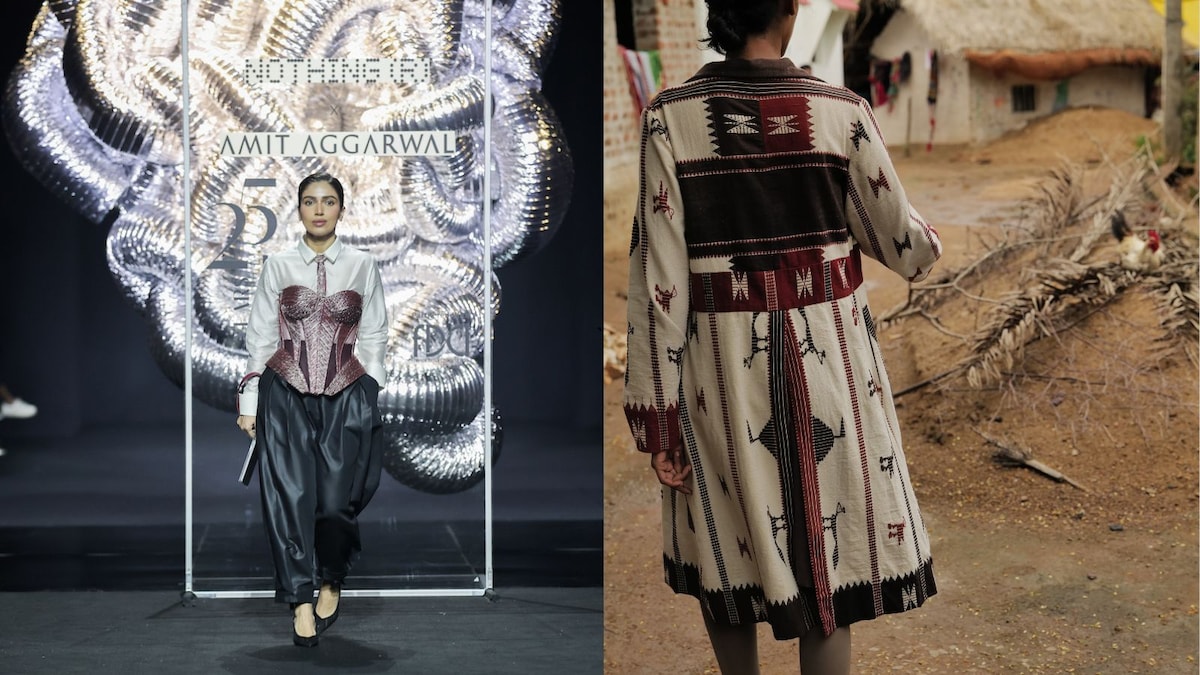
Some designers use materials such as Odisha handlooms and Kala Cotton from Kutch.
Others reuse older Banarasi fabrics instead of making something entirely new.
They want clothes to last, be repaired and be passed to future generations.
Buyers are increasingly interested in how clothes are made and where they come from.
But changing traditional fabrics can take more time and cost more money.
Designers must find a balance between making clothes affordable and paying weavers fairly.

A new generation of Indian designers is repositioning handlooms as contemporary, investment-worthy luxury.
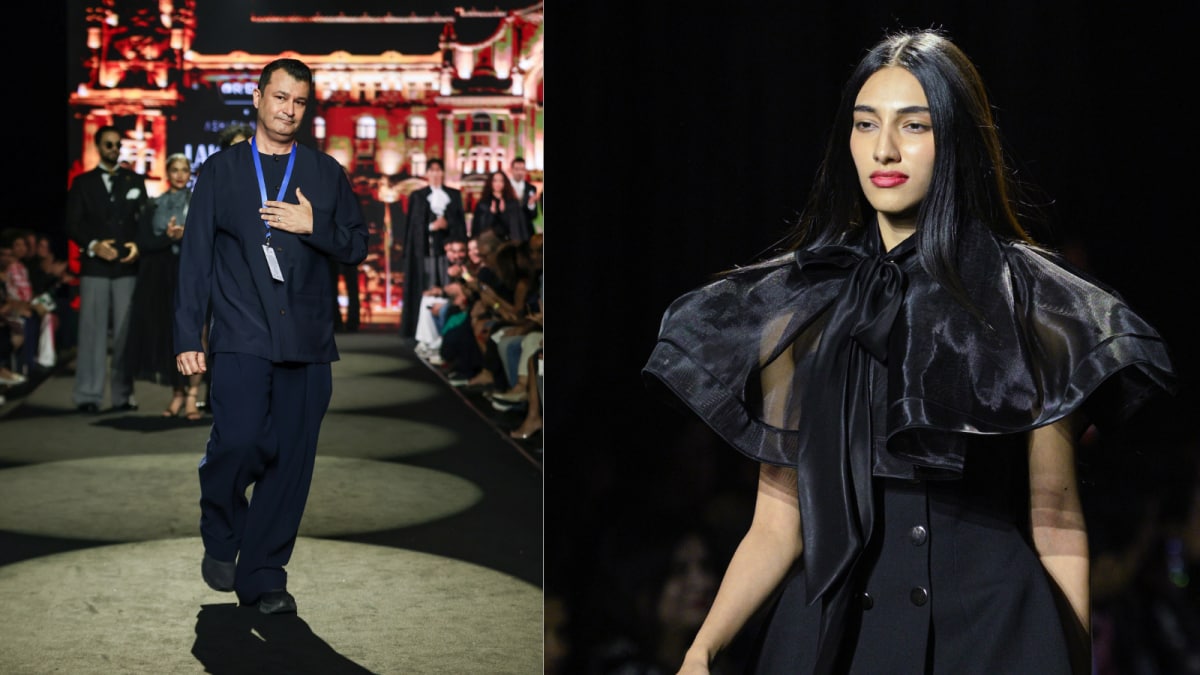
Richa Maheshwari’s Boito reinterprets Odisha’s textile traditions through modern silhouettes, sustainability and wearability.
Lafaani’s Rashmick Bose and Drishti Modi champion indigenous, rain-fed Kala Cotton from Kutch.
Designers are connecting regional textiles with artisan livelihoods while adapting them for global fashion markets.
The revival faces challenges involving production costs, fair wages, scalability and preserving traditional craftsmanship.
- Who
- Indian designers including Richa Maheshwari, Rashmick Bose, Drishti Modi, Shweta Gupta and Amit Aggarwal, along with the artisans and weavers who make the textiles.
- What
- A revival is bringing India’s traditional handlooms and indigenous fibres into contemporary luxury fashion.
- Where
- Across Indian textile regions including Odisha, Kutch, West Bengal, Madhya Pradesh, Uttar Pradesh and Uttarakhand.
- When
- The articles describe a current shift in Indian fashion and cite Deloitte India’s latest report, without providing a date.
- Why
- Consumers are showing greater interest in quality, provenance, craftsmanship and lasting value, while designers seek new commercial opportunities for heritage textiles and artisan communities.
Heritage Preservation and Fair Craft
Contemporary Luxury and Commercial Growth
How tradition should evolve
Heritage Preservation and Fair Craft
Traditional techniques, regional knowledge and artisan communities should remain central, with garments designed to be cared for, repaired and passed on.
Contemporary Luxury and Commercial Growth
Heritage must be re-cut, re-engineered and adapted to modern silhouettes so it can attract today’s luxury consumers.
Pricing and scale
Heritage Preservation and Fair Craft
Making textiles too inexpensive can undermine fair payment to weavers and the value of time-intensive craftsmanship.
Contemporary Luxury and Commercial Growth
If fabrics become too expensive, further orders and wider commercial adoption may be at risk.
Production model
Heritage Preservation and Fair Craft
Using existing materials, such as indigenous fibres and pre-loved Banarasi textiles, can support responsible consumption and reduce the pressure to create something new.
Contemporary Luxury and Commercial Growth
Expanding heritage textiles into global fashion requires experimentation, stronger commercial positioning and production at a viable scale.
Key facts
- Consumer shift
- Deloitte India’s report describes movement toward affordable premium products and more intentional consumption.
- Featured Odisha collection
- Richa Maheshwari’s Boito reframes Odisha’s textile traditions for contemporary wardrobes.
- Indigenous fibre
- Lafaani highlights Kala Cotton, a rain-fed fibre rooted in Kutch’s landscapes and communities.
- Regional sourcing
- SWGT combines mulberry silks and cottons from West Bengal, Chanderi from Madhya Pradesh and hand appliqué from Uttar Pradesh.
- Chanderi adaptation
- Shweta Gupta tightened Chanderi’s traditionally open structure and experimented with a wool warp from Uttarakhand.
- Banarasi reuse
- Amit Aggarwal’s The Banarasi Edit turns pre-loved Banarasi textiles into contemporary sculptural pieces.
- Core challenge
- Designers must balance commercial prices and orders with the time required for craft and fair payment to weavers.
Quotes
Rashmick Bose and Drishti Modi
Co-founders of the textile and fashion label Lafaani
“India’s textile heritage is vast and living; supporting local artisans means preserving culture while creating sustainable livelihoods.”
 CNBC TV 18
“It has to make these materials and techniques relevant to the way we live today.”
CNBC TV 18
Sources
Related news
Indian Couture Turns Heritage Into A Contemporary Luxury Language

Preserving India's Handloom Heritage Through Timeless Craftsmanship
Handloom Doesn't Need Revival, It Needs Recognition, Designer Says

Ramraj Cotton revives Santhali weave with new Panchaatm handloom line
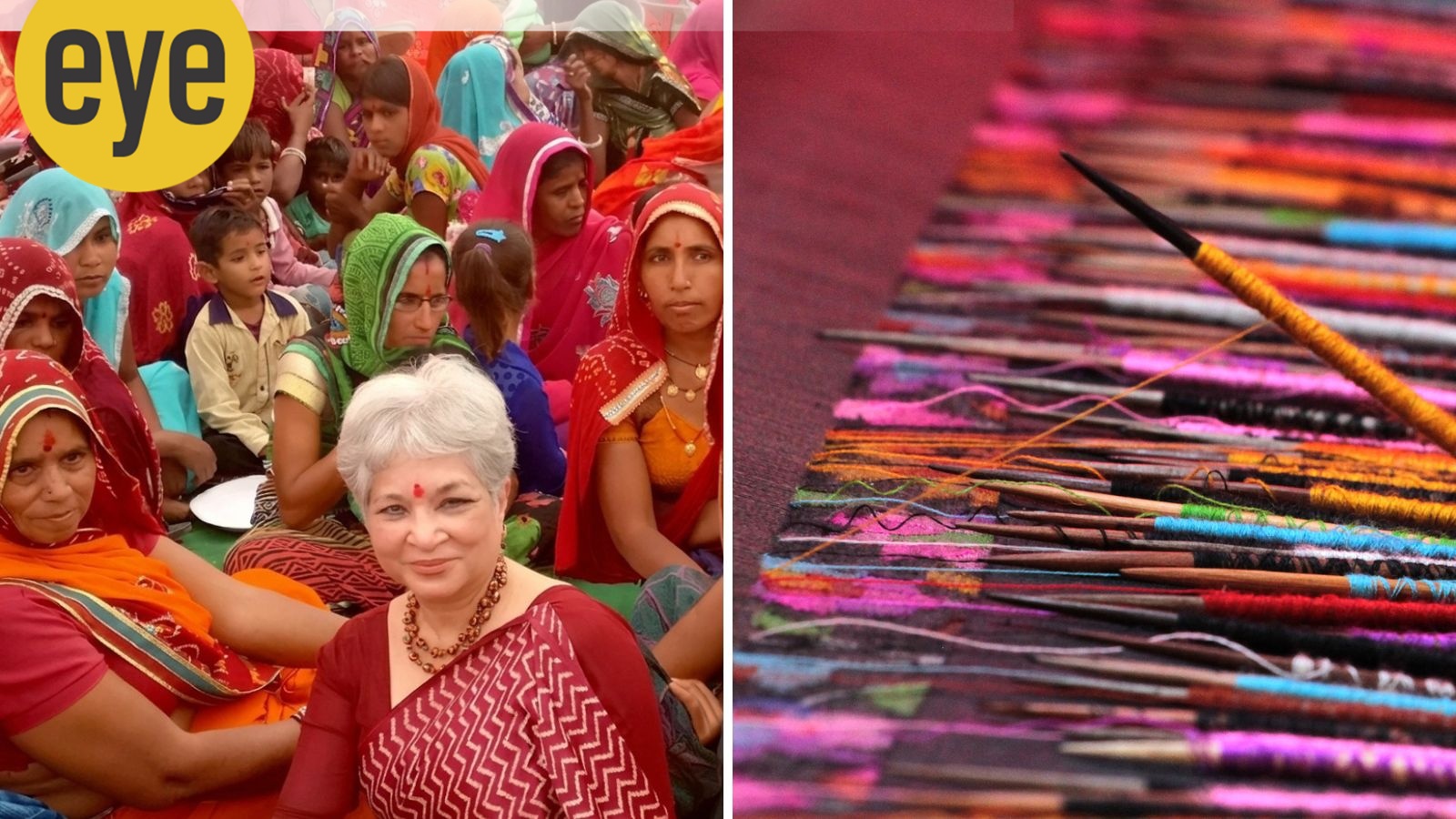
Laila Tyabji recounts Dastkar's 45-year journey reviving India's handloom heritage

Manish Malhotra on Paris Couture Debut and 35-Year Legacy
Kareena Kapoor Shares 2016 Pregnancy Throwback

The Sustainable Fashion Dictionary Simplifies Eco-Conscious Terminology
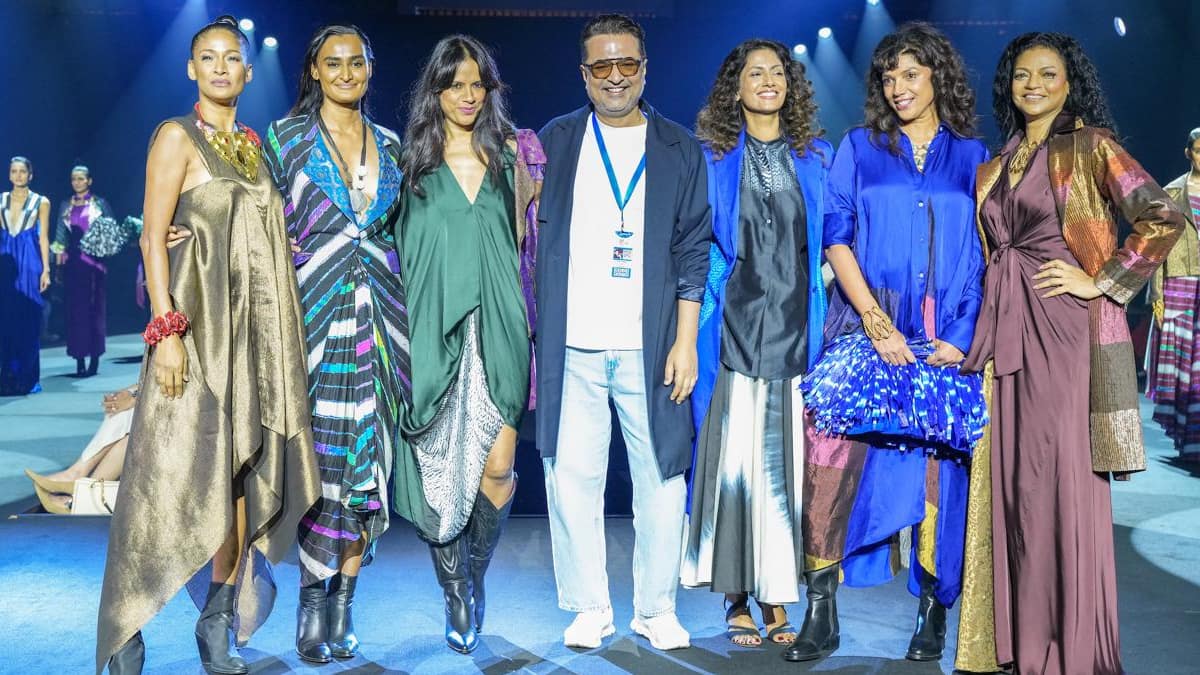
Designer Amit Hansraj: 'Parveen Babi is timeless, effortless, unapologetically modern'